K-Style vs Half-Round Gutters: Virginia Durability Guide
Choosing between half round vs k-style gutters is a crucial decision for your Virginia home's protection system. K-style gutters are recognized for their increased water capacity, making them particularly effective during heavy rainfall. Meanwhile, Northern Virginia experiences moderate to heavy rainfall as well as snow accumulation in the winter, demanding a reliable gutter system to protect your home's structural integrity. When evaluating these two popular types of gutter, several factors deserve your attention. Although K-style gutters typically hold more water with their flat bottom and deep trough, half-round gutters offer surprising benefits too - their flow capacity can actually be double that of a K-style gutter of the same width. Beyond water handling capability, you'll need to consider which style better suits your home's architecture. K-style gutters earned their name because they resemble the <strong>letter K</strong> when viewed from the side, while half-round gutters were the preferred choice for most homeowners through the 1950s. Furthermore, your decision should account for material durability, maintenance requirements, and how each performs during Virginia's seasonal weather patterns. A properly installed gutter system ensures water flows away from your home, safeguarding its foundation year-round and preventing potential structural issues.
Understanding the Two Gutter Styles
The residential gutter market offers two predominant styles that differ significantly in form and function. Let's explore what makes each unique and how they compare.
What are K-style gutters?
What are half-round gutters?

Visual and structural differences
The most obvious distinction between these styles lies in their shapes and profiles. K-style gutters have a flat back with decorative fronts resembling crown molding, whereas half-round gutters feature a simple, semicircular shape. This difference affects not only appearance but also functionality.From a structural perspective, K-style gutters resist bending better than half-round options, even when made from lightweight materials. Yet round gutters offer smoother shapes with fewer corners where debris can accumulate, making them generally easier to clean and less prone to clogging.In terms of water capacity, a standard 5-inch K-style gutter can handle typical rainfall for most houses across the U.S. However, depending on your specific needs and Virginia's seasonal weather patterns, either style could be appropriate when properly sized and installed. Gutter sizing is crucial to ensure optimal drainage efficiency, especially for homes with large roofs or in areas with high rainfall intensity.Protect your Virginia home with gutters that match both your style and your needs. Whether you prefer the high-capacity performance of K-style or the classic elegance of half-round, My Modern Renovations provides expert installation, seamless systems, and durable materials built for Virginia’s climate.Performance Comparison: Flow Rate and Clog Risk
When comparing gutter performance, water handling capacity and clog resistance often determine which system best protects your home. Both factors play critical roles in how effectively your gutters will perform throughout Virginia's varying seasons.Water capacity in heavy rain
The difference in water-carrying capacity between these two gutter styles is substantial. K-style gutters can hold significantly more water than half-round gutters of the same width - approximately 40% more. This increased gutter capacity makes K-style gutters particularly valuable for areas that experience heavy rainfall.Most K-style gutters come in 5-inch or 6-inch sizes, with the latter capable of handling about 40% more water than their 5-inch counterparts. For Virginia homeowners concerned about water management, this difference is noteworthy - a 6-inch K-style gutter provides substantial protection even during intense summer thunderstorms. In some cases, 8-inch gutters may be recommended for exceptionally large roofs or areas with extreme rainfall.Half-round gutters typically come in 4-inch or 5-inch sizes. Though they hold less water overall, they offer surprising benefits through their design. The rounded shape creates less friction, allowing water to flow more freely and efficiently. When considering gutter size, factors such as roof pitch and square footage of the drainage area should be taken into account.Debris accumulation and clogging
The structural differences between these gutter styles directly impact their susceptibility to clogging:K-style gutters feature multiple crevices and corners where leaves, twigs, and other debris can become trapped. These areas require more thorough cleaning to prevent blockages that might compromise water flow.In contrast, half-round gutters showcase completely smooth interiors without sharp angles. This design allows debris to flow more freely toward downspouts instead of accumulating. Consequently, half-round gutters typically require less frequent cleaning and maintenance. To further enhance debris protection, consider installing gutter guards on either style.
Best choice for Virginia's seasonal weather
Virginia's climate presents specific challenges for gutter systems throughout the year. From summer thunderstorms to autumn leaf fall and winter snow, your gutters face various tests in this temperate climate.For homes in areas with heavy tree coverage, half-round gutters might offer advantages despite their lower capacity. Their smooth interior design reduces the likelihood of debris getting trapped, making them effective at handling Virginia's fall foliage.Conversely, if your property experiences significant water runoff or you have a large roof area, K-style gutters provide superior capacity for managing heavy precipitation. Six-inch K-style gutters are strongly recommended over standard five-inch versions for properties dealing with significant winter precipitation - they dramatically improve water-carrying capacity while costing only slightly more.Ultimately, either style can perform well in Virginia with proper gutter sizing and installation. Your specific property conditions - roof size, tree coverage, and surrounding landscape - should guide your final decision. For homes with steep roofs or in areas prone to extreme temperatures, consulting with a professional gutter company can help ensure the best choice for your specific needs.Heavy Virginia rains, autumn leaves, and winter snow can put any gutter system to the test. Whether you need the high capacity of K-style gutters or the low-maintenance flow of half-round, the right choice depends on your roof size, tree coverage, and landscape.At My Modern Renovations, we specialize in seamless K-style and half-round gutter installations designed for Virginia’s unique climate. Schedule your free consultation today and let our experts match your home with the perfect system for lasting protection.Durability and Material Options for Virginia Homes
The material you select for your gutters largely determines their durability against Virginia's varied climate challenges. Your choice affects not just longevity but also maintenance requirements and esthetic appeal.Aluminum vs copper vs steel
The battle between materials presents clear tradeoffs for Virginia homeowners:Aluminum gutters dominate the residential market thanks to their rust resistance, lightweight nature, and affordability. They withstand Virginia's humid summers without corroding and come in various colors to match your home's exterior. Moreover, aluminum gutters typically last 20-30 years when properly maintained.Copper gutters offer unmatched elegance and exceptional longevity. With proper care, copper systems can last 50+ years and naturally develop a distinctive patina over time. For historic Virginia homes or premium properties, copper's resistance to rust and minimal maintenance requirements offset its significantly higher upfront cost.Steel gutters provide superior strength against Virginia's occasional heavy snow loads. Galvanized steel options resist rust initially but require vigilant maintenance to prevent corrosion, especially in areas with high humidity or coastal air.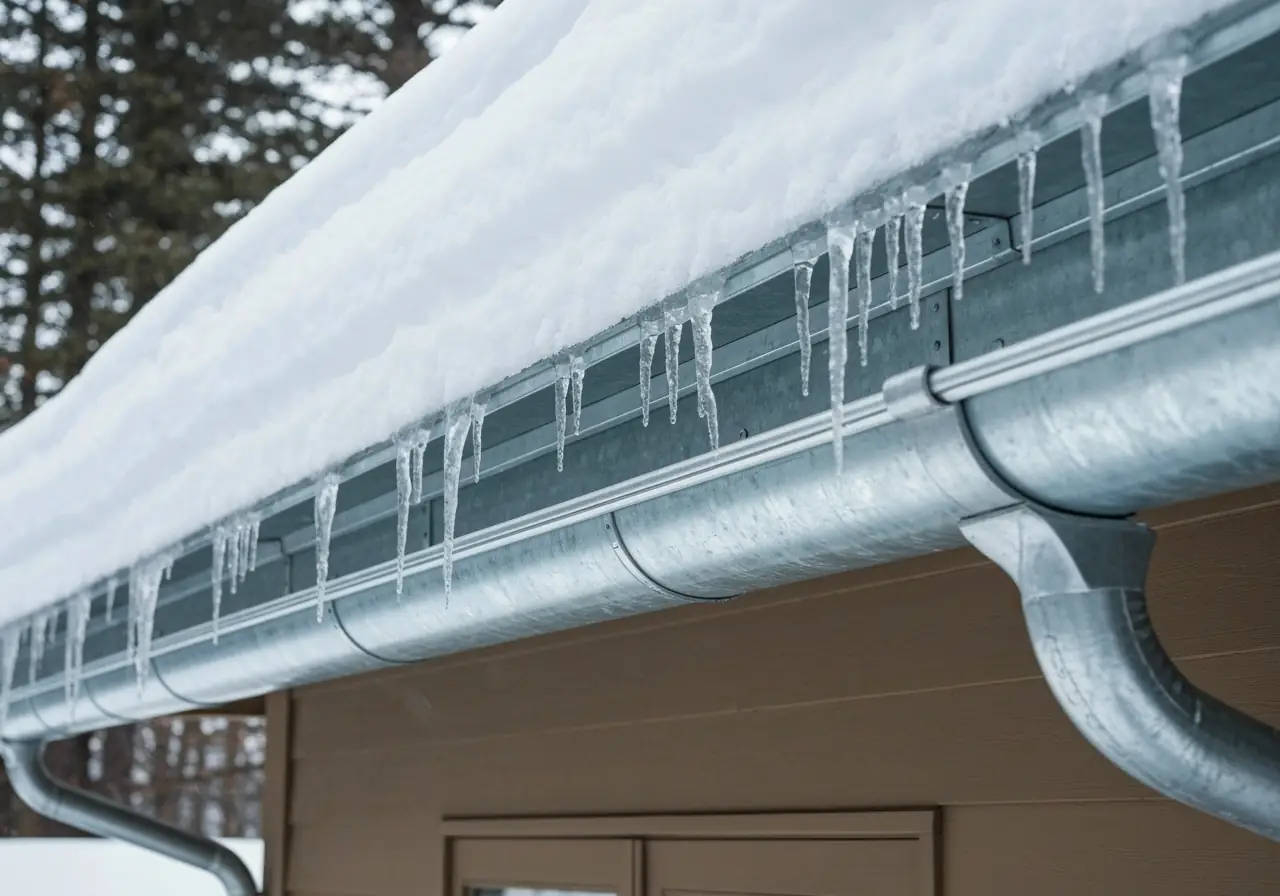
Gutter materials lifespan in Virginia climate
Virginia's weather conditions directly impact gutter longevity. The region's freeze-thaw cycles, summer humidity, and seasonal storms create unique challenges.Aluminum systems generally provide 20-30 years of service but may experience issues with expansion and contraction during temperature fluctuations.Copper gutters excel in Virginia's climate, often lasting 50+ years thanks to their exceptional resistance to corrosion, even in coastal areas with salt exposure.Steel gutters typically provide 20-40 years of service but require regular maintenance to prevent rust, particularly important in Virginia's humid environment.Vinyl gutters, while budget-friendly, offer the shortest lifespan at 10-20 years and perform poorly in Virginia's temperature extremes.Seamed vs seamless gutters Virginia
The installation method significantly impacts performance in Virginia's variable climate. Seamless gutters have become increasingly popular for Virginia homes specifically because they eliminate most seam-related problems.Seamed (sectional) gutters join multiple pieces with connectors that create vulnerable points. These seams often weaken over time, becoming prone to leaking. In Virginia's climate, with frequent freeze-thaw cycles, these seams face accelerated wear.Seamless gutters, fabricated on-site to your home's exact measurements, eliminate most connection points. This design significantly reduces leakage risk and debris buildup. For Virginia homes, seamless systems provide superior protection against the region's heavy rains and winter precipitation.Ultimately, regardless of whether you choose half-round or K-style gutters, the seamless option offers better long-term performance in Virginia's climate. Professional installation is often recommended for seamless gutters to ensure proper fit and function.Style Fit and Maintenance Considerations
Beyond performance considerations, your home's architectural style plays a crucial role in selecting the ideal gutter system. The esthetic harmony between your gutters and home can either enhance or diminish overall curb appeal.Which style suits your home's architecture?
Architectural compatibility should guide your gutter selection decision. K-style gutters complement modern homes with angular roofs, resembling colonial-style crown molding while adding a sophisticated touch to contemporary exteriors. Their decorative fronts offer a finished look that blends seamlessly with most current architectural styles.Half-round gutters, naturally, shine on historic homes built before 1950. Their elegant, curved appearance perfectly matches homes with rounded rooflines or traditional features. For Virginia's colonial-style homes with symmetrical facades, half-round gutters in classic colors create authentic period appeal. Homes with rounded architecture often benefit from the complementary curves of half-round gutters.Maintenance effort and cleaning frequency
The general recommendation for gutter cleaning is twice yearly - spring and fall - regardless of style. Yet, structural differences significantly impact maintenance requirements:K-style gutters feature interior angles where leaves and sediment often become trapped, making them considerably harder to clean. Their complex design requires more thorough maintenance to prevent blockages.Half-round gutters, with their smooth, curved interiors lacking corners, allow debris to flow more freely toward downspouts. This design makes them notably easier to clean and less prone to clogging over time.Installation complexity and cost differences