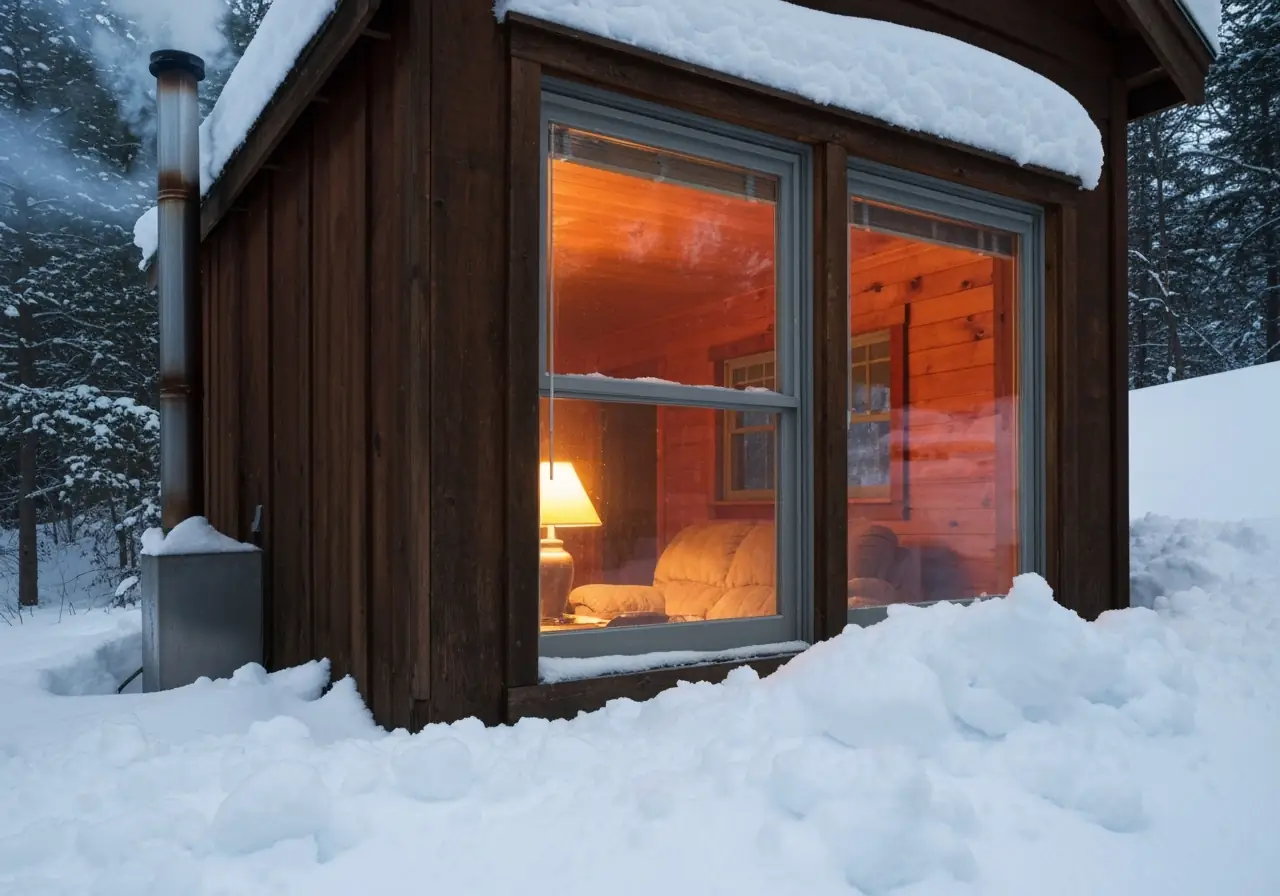
Low-E Glass WV: Best Options for Sun Glare & Energy Savings
Low emissivity (Low-E) glass is one of the smartest upgrades West Virginia homeowners can make to cut energy waste, reduce sun glare, and improve year-round comfort. Standard windows are responsible for 25–30% of total household energy loss, with up to 90% escaping through the glass itself. That means higher utility bills, uncomfortable rooms, and fading interiors. Low-E windows solve this problem with a microscopically thin coating - 500 times thinner than human hair - that reflects long-wave infrared heat back toward its source. Compared to standard glass with an emissivity of .84, advanced solar control Low-E glass such as Solarban® 70 achieves as low as .02 emissivity, delivering a 42-fold improvement in heat reflection. Double-pane and triple-pane Low-E units offer U-values down to 0.9, turning windows into efficient climate-control assets. In West Virginia’s variable climate, Low-E glass reduces winter heat loss, blocks harmful UV rays, and minimizes harsh summer glare, providing lasting energy efficiency and comfort.
Why Low-E Glass Matters for Homeowners in 2025
The financial drain from inefficient windows accumulates quietly, creating expenses that extend far beyond monthly utility statements. This hidden cost structure impacts your home's total economic performance through multiple channels.
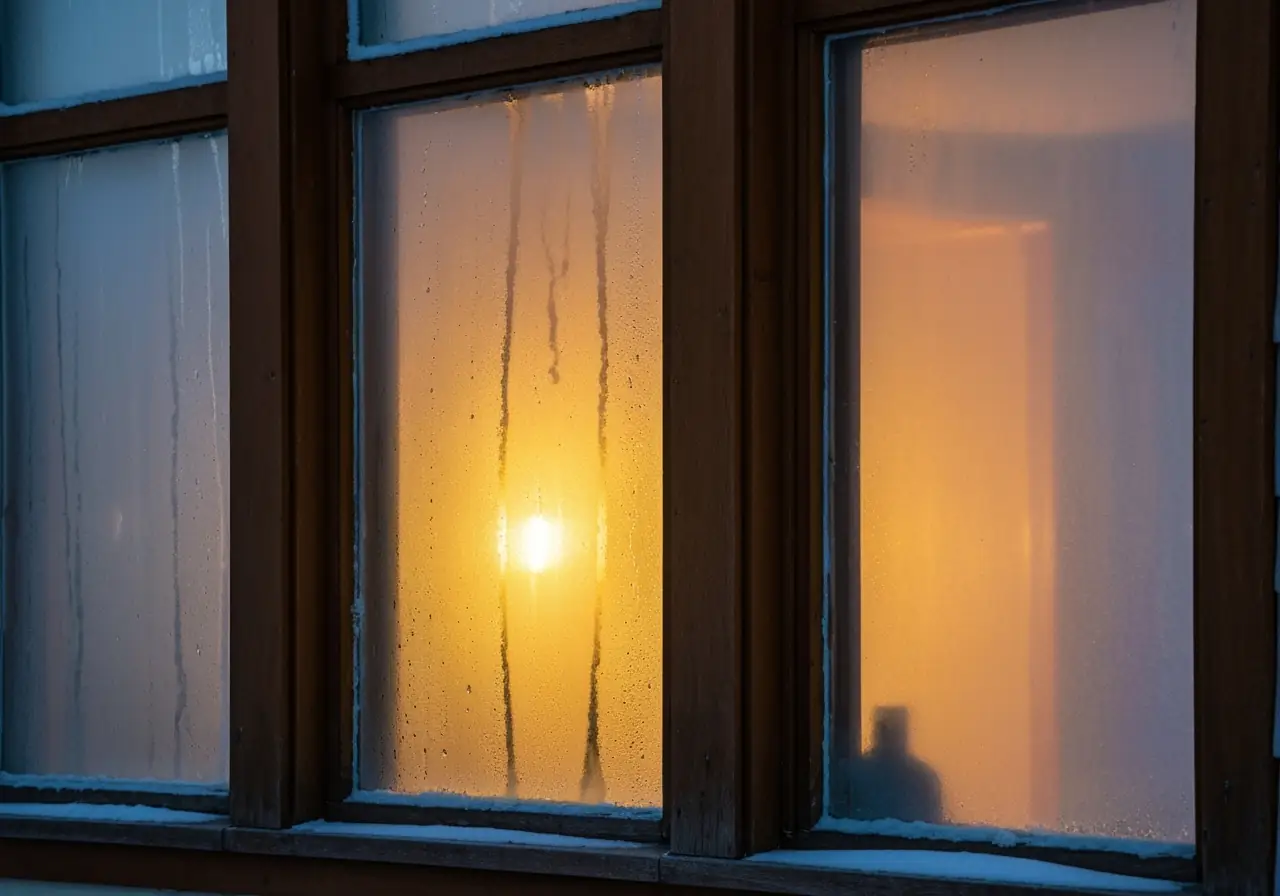
Energy loss through windows: the hidden cost
Traditional windows hemorrhage energy at devastating rates. 25-30% of your home's heating and cooling energy escapes through windows, transforming the average household's $1,346 annual climate control investment into $400+ of pure waste. The cascade effect proves even more costly - inefficient windows force HVAC systems into overdrive, potentially cutting equipment lifespan from 20 years down to just 12 years. This premature failure adds $250 annually in accelerated depreciation costs.Unprotected UV radiation compounds the damage beyond energy bills. Standard glass allows harmful rays to systematically fade hardwood floors, furniture, and artwork, triggering refinishing expenses ranging from $600-$4,500 depending on affected square footage. Failed window seals introduce moisture infiltration that can necessitate expensive mold remediation and structural repairs.What does low-e glass mean for your home?
Low-e glass for homes in West Virginia: local relevance
West Virginia's four-season climate creates ideal conditions for low-e glass performance. Regional data shows upgrading to advanced window technologies can reduce cooling costs by up to 25%. The 10-15% initial cost premium over standard windows proves economically sound when weighed against long-term savings.West Virginia's variable mountain climate amplifies low-e glass versatility. The same e glass windows retain heat during harsh winters while rejecting solar gain during humid summers. This year-round functionality makes low-e glass particularly valuable for homeowners facing both extreme seasonal temperature swings and elevated humidity levels.Stop wasting hundreds each year on inefficient windows - upgrade to Low-E glass that cuts energy bills and blocks up to 99% of UV damage. Visit My Modern Renovations today for a free estimate and start protecting your West Virginia home year-round.How Low-E Glass Works Across Seasons
Low-e glass performance adapts to seasonal temperature differentials through precise heat flow management. This engineered coating system responds to varying thermal conditions, creating year-round climate control that adjusts automatically to outdoor temperature changes.Winter: keeping heat in
Cold weather transforms low-e glass into a thermal retention system for your home. The coating reflects long-wave infrared energy back toward its source, preventing radiant heat generated by your heating system from escaping through window surfaces. This heat retention occurs without blocking beneficial solar energy that naturally warms interior spaces.The thermal physics mirror those of a thermos bottle's reflective lining - heat energy bounces back rather than transferring through the glass barrier. Regular clear glass permits 90% of heat energy to pass through with its 0.9 thermal emissivity, whereas high-performance low-e glass achieves emissivity ratings as low as 0.05.Northern West Virginia's extreme cold conditions favor passive low-e coatings specifically because they allow selective short-wave infrared energy from winter sunlight to penetrate, providing natural heating assistance.
Summer: blocking solar heat
Summer conditions reverse the thermal priority - low-e coatings now focus on rejecting external heat rather than retaining internal warmth. The same reflective properties that conserve winter heat now deflect both long-wave and short-wave solar infrared energy before it can enter your living spaces.Strategic placement becomes critical during cooling season. East, west, and south-facing windows receive the most intense solar exposure, making these locations prime candidates for solar control low-e glass installation. Tinted low-e options provide additional solar heat gain coefficient (SHGC) reduction in regions experiencing prolonged high temperatures.The protective benefits extend beyond temperature control. Low-e glass blocks up to 99% of harmful UV radiation when combined with laminated glass, preventing furniture and interior surface degradation that costs homeowners hundreds in replacement expenses.How does low-e glass work in different climates?
Climate variations demand specific low-e glass configurations to optimize performance. Mixed-climate regions like West Virginia require balanced solutions that perform effectively across four distinct seasons.Climate-Specific Performance Options:- Hot Regions: Low-E+366 glass with reduced Solar Heat Gain Coefficient (SHGC) maximizes cooling efficiency
- Mixed Climates: CS73 low-e glass delivers year-round thermal balance
- Cold Areas: Passive low-e coatings increase beneficial winter solar heat gain
Choosing the Right Low-E Glass Option
Your low-e glass selection hinges on three critical factors: performance requirements, regional climate demands, and long-term value priorities. The technical specifications between coating options create measurable differences in both comfort and costs.Single, double, or triple-silver coatings
Silver layer quantity determines light-to-heat management efficiency. Single silver coatings deliver LSG (light to solar gain ratio) around 1.4, while double silver achieves 1.6-2.0, and triple silver reaches 2.2 or higher. Triple silver allows maximum visible light transmittance while providing superior heat rejection - a crucial advantage for sun-facing exposures.Thermal performance follows the same progression. Single silver provides U-values of 1.7-1.85, whereas double and triple silver deliver enhanced insulation at 1.5-1.65. The cost premium reflects this performance gap: double silver adds $3-4/sqm over single, while triple silver commands approximately $10/sqm above double.For most applications, double silver offers the optimal balance between performance and investment. Triple silver becomes justified for challenging exposures where maximum solar control drives decision-making.Best low-e windows for sun glare reduction
Excessive brightness creates daily comfort problems that specialized low-e coatings address effectively. These advanced coatings filter and diffuse incoming light rather than simply darkening interior spaces. The result eliminates eye strain while preserving natural light quality - crucial for rooms with computer work or television viewing.The technology maintains visibility clarity while reducing harsh contrasts that cause squinting and headaches throughout daylight hours.Solar control glass WV: when to consider it
West-facing windows in West Virginia homes face intense afternoon solar exposure that standard low-e coatings struggle to manage. Solar control low-e glass reflects substantial heat portions while maximizing beneficial daylight. This specialized glass becomes essential when summer cooling costs outweigh heating savings - particularly in newer homes with efficient insulation.The investment makes financial sense for exposures receiving direct sun between 1-6 PM during summer months.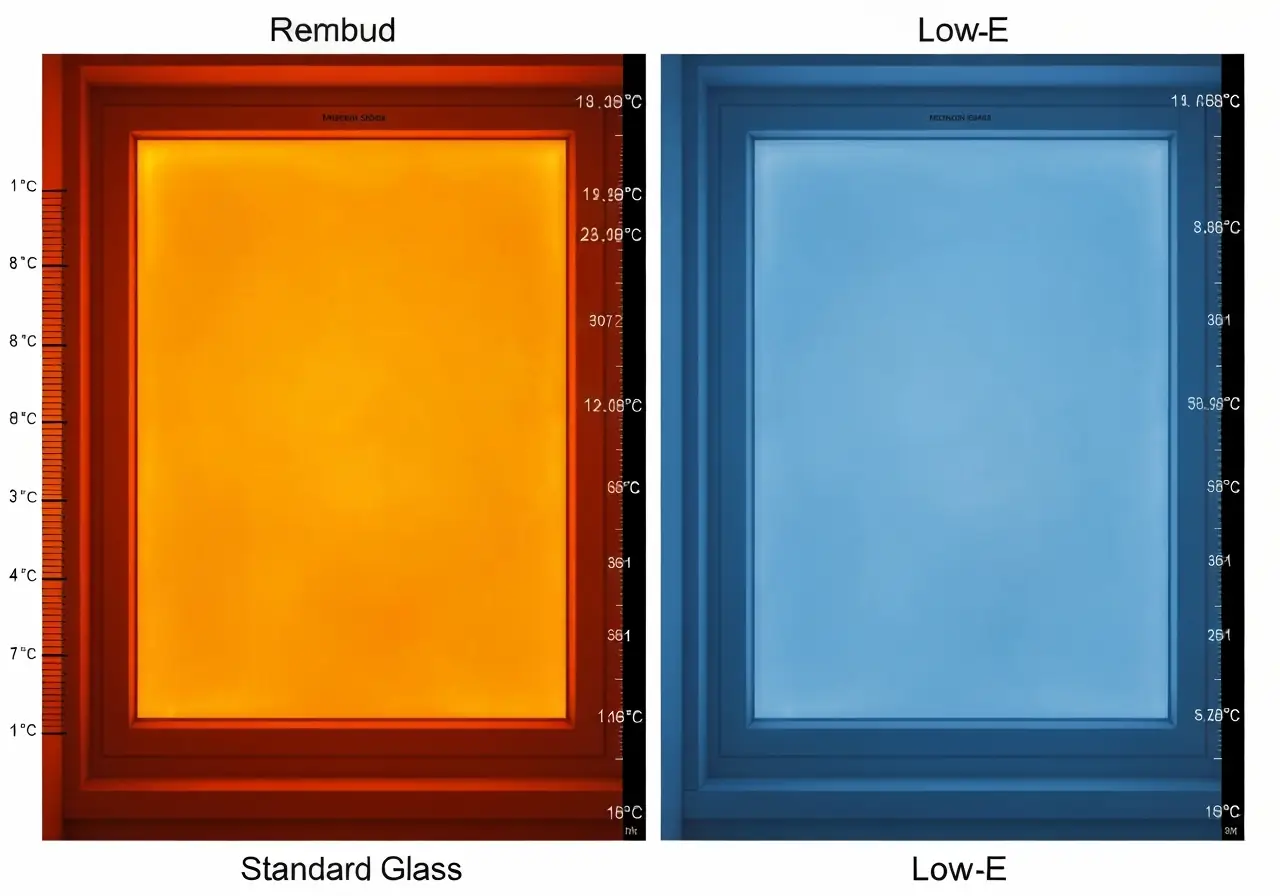
Low-e glass vs standard glass: which is better for you?
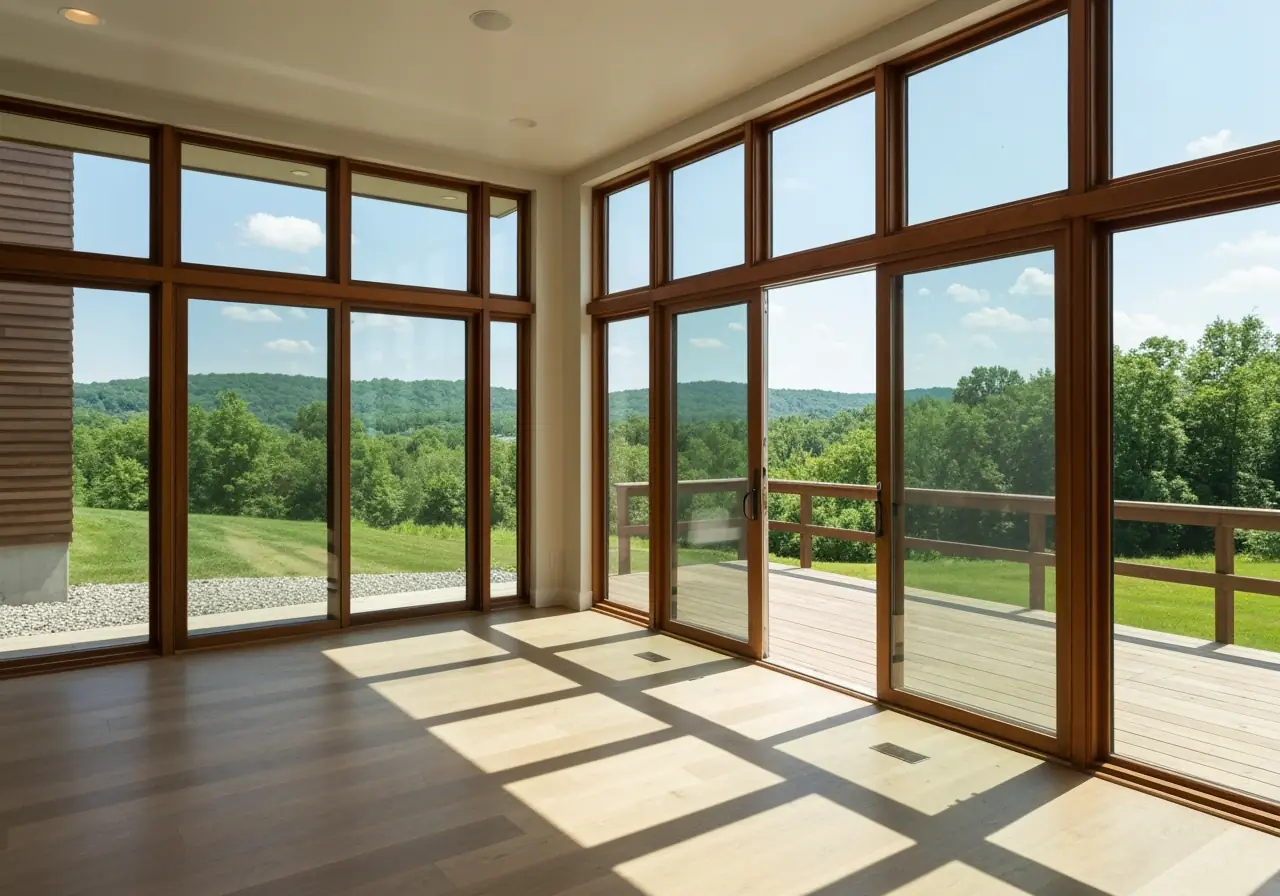
Performance data reveals dramatic differences across every meaningful metric.- U-Factor: Standard glass has a U-Factor of about 0.48, while Low-E glass improves performance with values under 0.30.
- SHGC (Solar Heat Gain Coefficient): Standard glass averages around 0.55, compared to Low-E glass at 0.25–0.40.
- Visible Light Transmission: Standard glass allows roughly 0.70–0.75, while Low-E glass maintains 0.60–0.70.
- UV Protection: Standard glass offers minimal UV protection, whereas Low-E glass blocks up to 99%.
What to Expect: Cost, Light, and Installation
Practical considerations ultimately determine whether low-e glass makes financial sense for your specific situation. The installation reality, light performance, and return timeline directly impact your window investment decision.Does low-e glass reduce natural light?
The coating remains virtually invisible to the naked eye - tintless and nearly colorless - allowing natural sunlight to flow through your home without obstruction. Quality low-e glass actually improves visual comfort by reducing glare while maintaining brightness levels that keep interior spaces welcoming. This controlled light quality eliminates harsh reflections and hot spots without the dimming effect that many homeowners fear.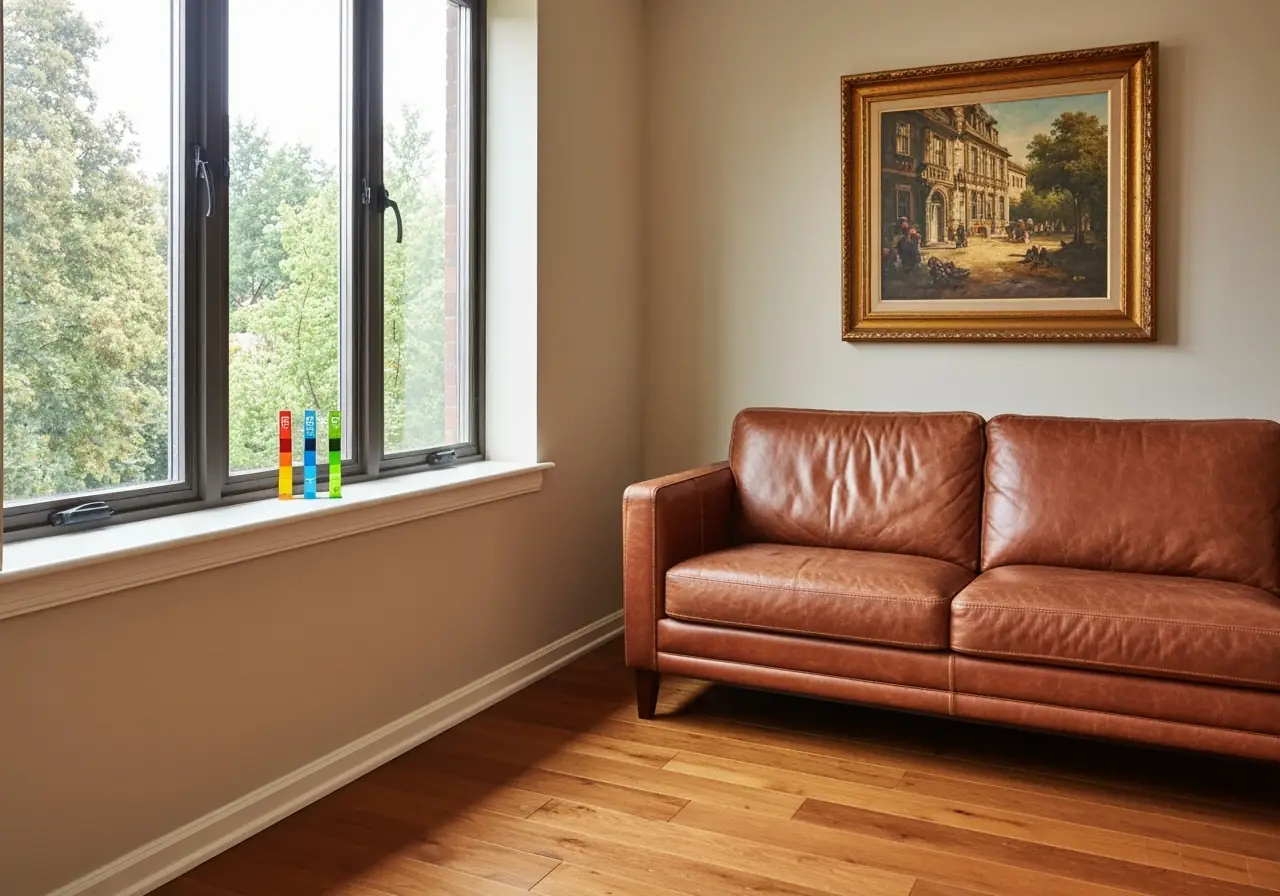
Installation cost and return on investment
The financial equation tells a clear story about low-e glass value. While these energy-efficient glass windows add 10-15% to window costs, energy savings typically recover this premium within 3-5 years. Energy-efficient windows range from $325-$2,000 per window, with professional installation adding $100-$300 per window.The savings potential becomes compelling when calculated annually - homeowners save $125-$465 on energy bills, representing 10-30% reductions in heating and cooling expenses [46, 47]. For a home with 15 windows, this translates to $1,875-$6,975 in annual savings potential.How to tell if your windows already have low-e
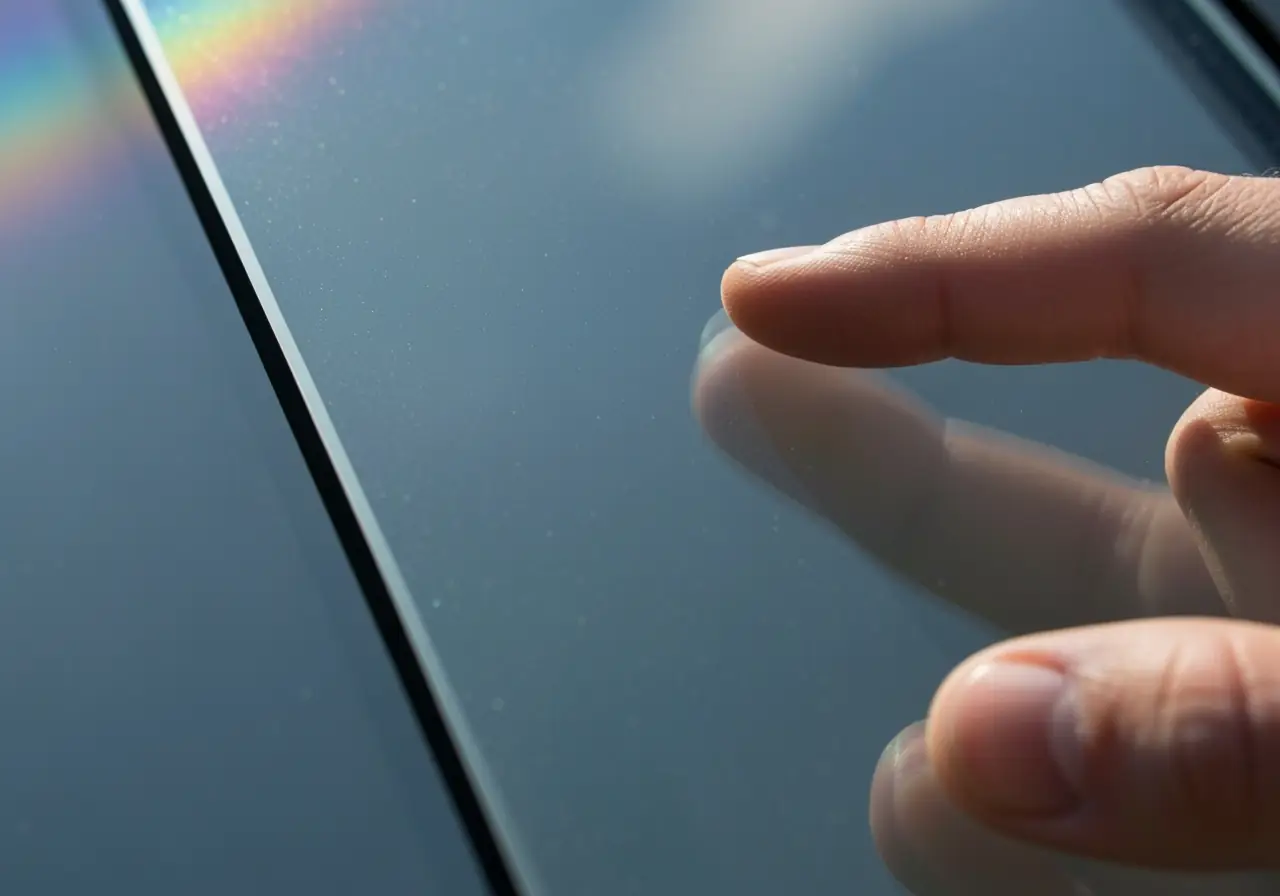
A simple flame test reveals existing coatings instantly. Hold a lit match or lighter near the window where four reflections become visible - two from each glass pane. One reflection appearing different colors from the others indicates low-e coating presence. A pen light works equally effectively for this identification method.