Find Roof Leaks Early in WV Before Water Damage Hits
Did you know that <strong >90% of roof leaks start at flashings</strong>? For <strong >West Virginia homeowners</strong>, spotting roof leaks early is critical to avoid <strong >costly water damage</strong>, <strong >mold</strong>, and <strong >structural issues</strong>. With <strong >35–45 inches of annual rainfall</strong>, roofs in West Virginia are at constant risk. A simple <strong >roof inspection</strong> can help catch minor issues before they escalate. This guide explains how to perform a <strong >residential roof leak inspection</strong>, identify hidden leak signs, and decide when to call a <strong >professional roofing contractor</strong>. Prevent roof damage, protect your home’s integrity, and save thousands in repairs by learning how to detect roof leaks before it’s too late.
Early Signs Your Roof May Be Leaking
Recognizing the early warning signs of a roof leak can help you take action before extensive damage occurs. Spotting these telltale indicators allows you to identify roof leaks quickly, potentially saving thousands in repair costs. Let's explore what a roof leak looks like in its early stages and the hidden signs of a roof leak.
Ceiling stains and water spots
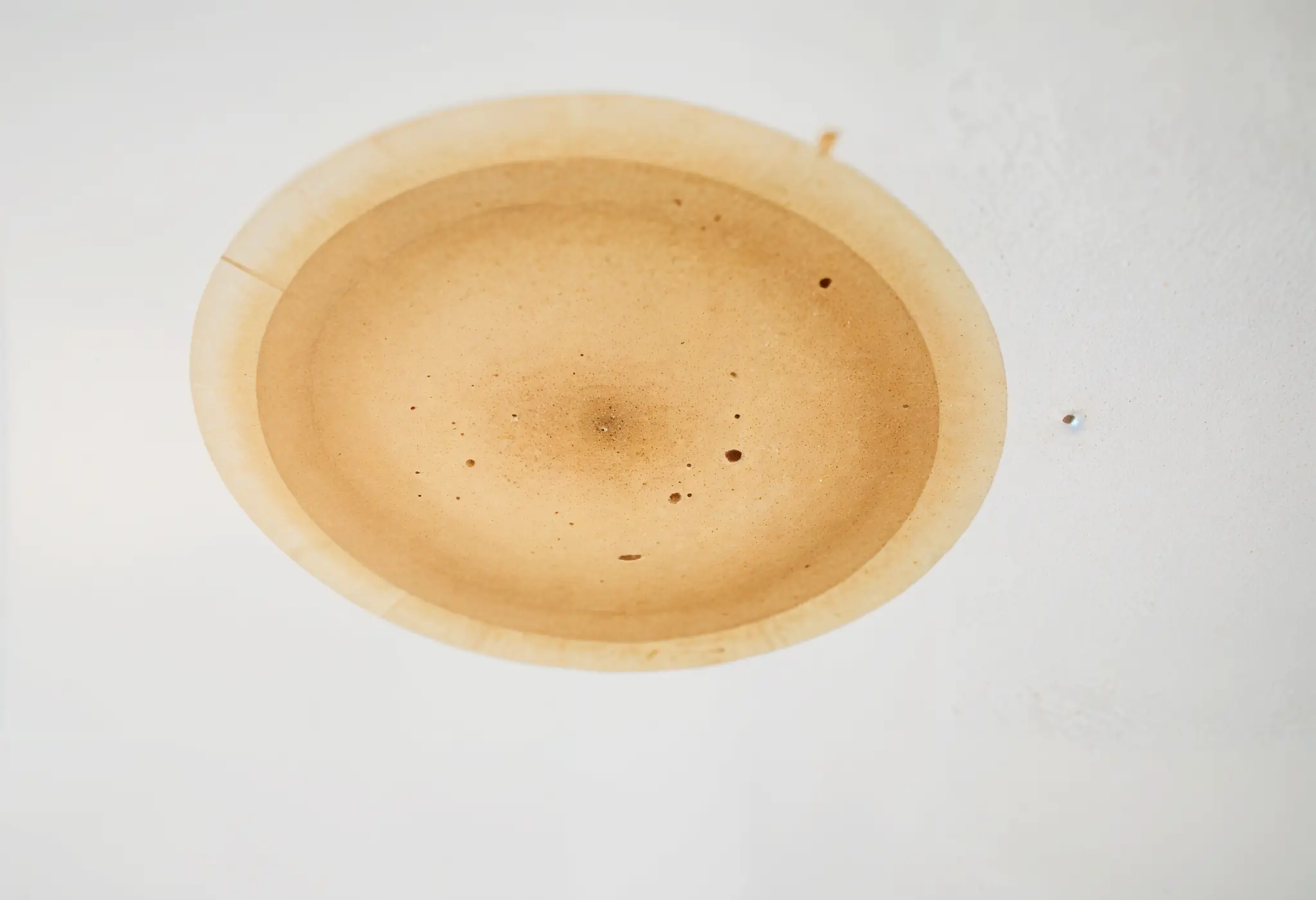
- Circular or irregularly shaped discolored patches
- Stains that expand or spread over time
- Changes in color intensity, indicating active leaks
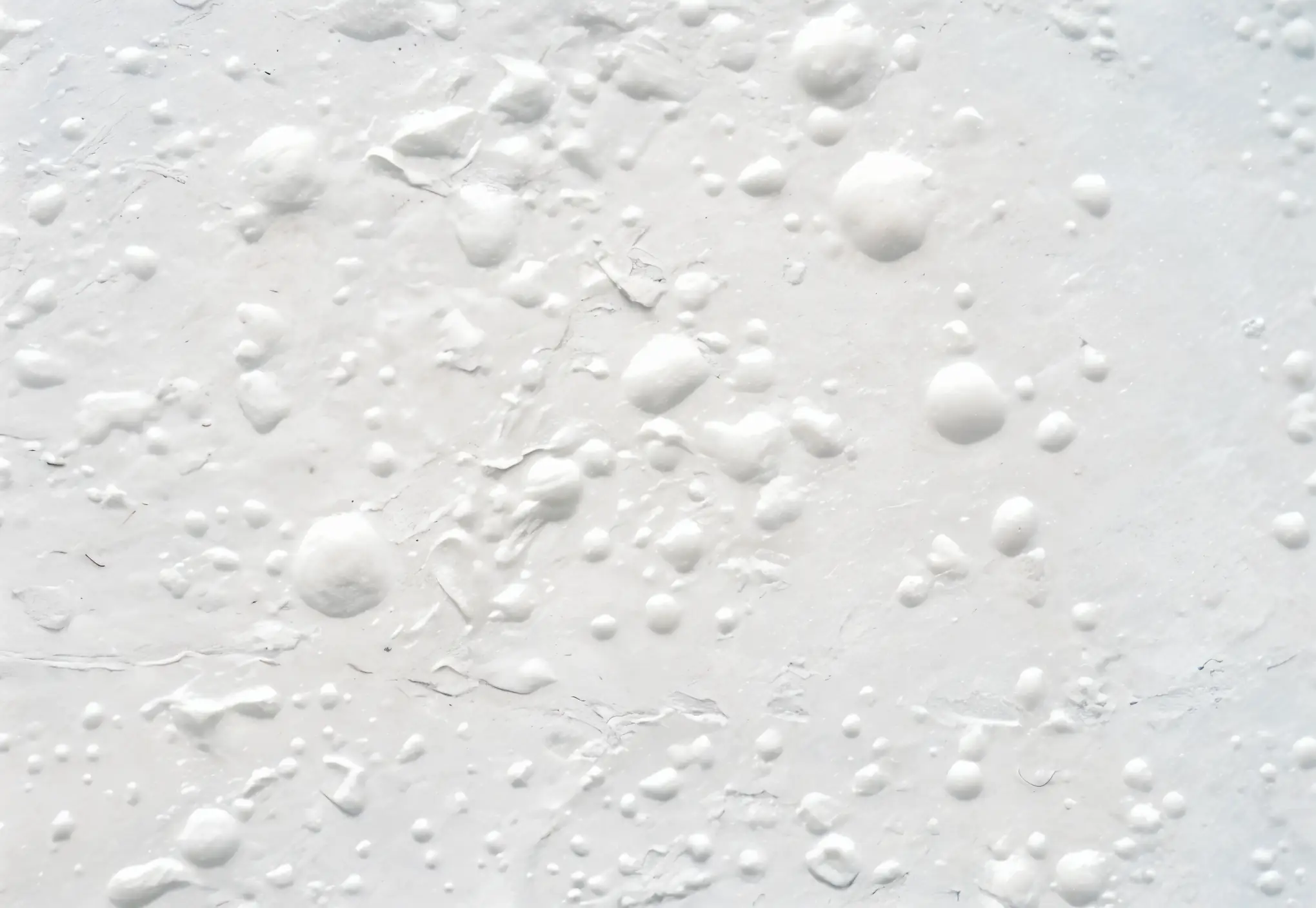
Peeling paint or bubbling walls
Mold or mildew smells in attic
A musty, earthy odor in your attic is a strong indicator of a roof leak. This happens because roof leaks create damp environments where mold and mildew thrive. Essentially, poor ventilation combined with moisture from leaks creates the perfect conditions for fungal growth.This issue extends beyond unpleasant smells - mold growth can lead to serious health problems, especially for those with allergies or compromised immune systems. If you detect these odors, they'll likely become more pronounced during or after rainfall.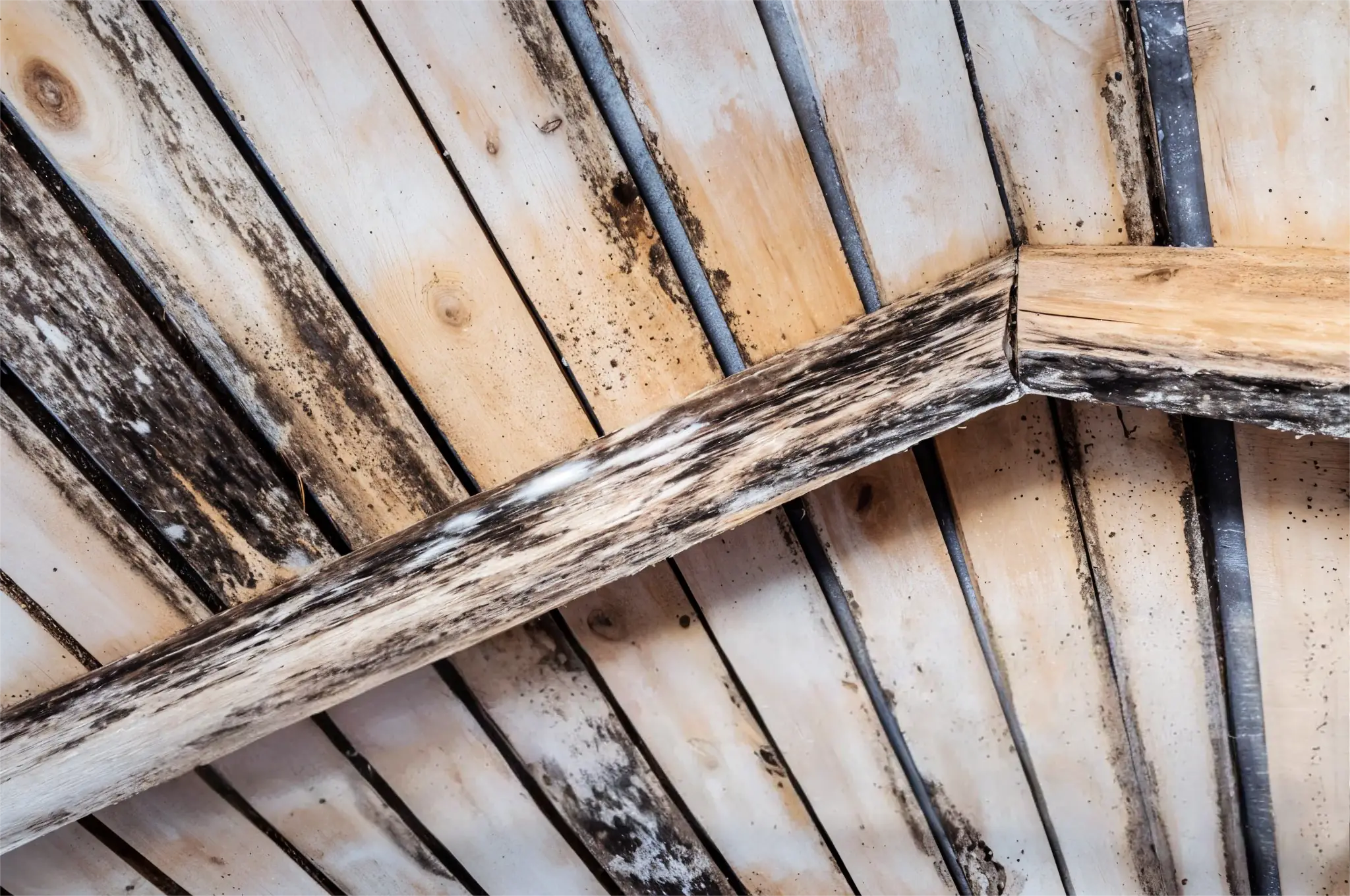
Visible light through attic boards
Perhaps the most obvious sign of roof damage is visible daylight peeking through your roof boards when you're in the attic. This indicates gaps or holes in your roof structure that require immediate attention. During an attic inspection, turn off the lights and look for any streaks of sunlight coming through.These light penetrations signal that your roof's structural integrity is compromised. Generally, where light can enter, so can water during the next rainfall.Hidden Problems That Lead to Roof Leaks
While visible signs alert you to existing leaks, understanding the hidden culprits can help you prevent water damage altogether. These underlying issues often develop slowly, causing extensive damage long before you notice water dripping from your ceiling. Recognizing these roofing danger signals is crucial for maintaining your roof's integrity.Poor attic ventilation and moisture buildup
Inadequate attic ventilation ranks among the most common yet overlooked causes of roof problems. When warm, humid air becomes trapped in your attic, it creates condensation that compromises your roof structure. Without proper airflow, this moisture:- Causes wood rot in rafters and roof decking
- Creates an environment where mold and mildew thrive
- Accelerates the breakdown of roof sheathing over time
Rusted flashing or loose roof penetrations
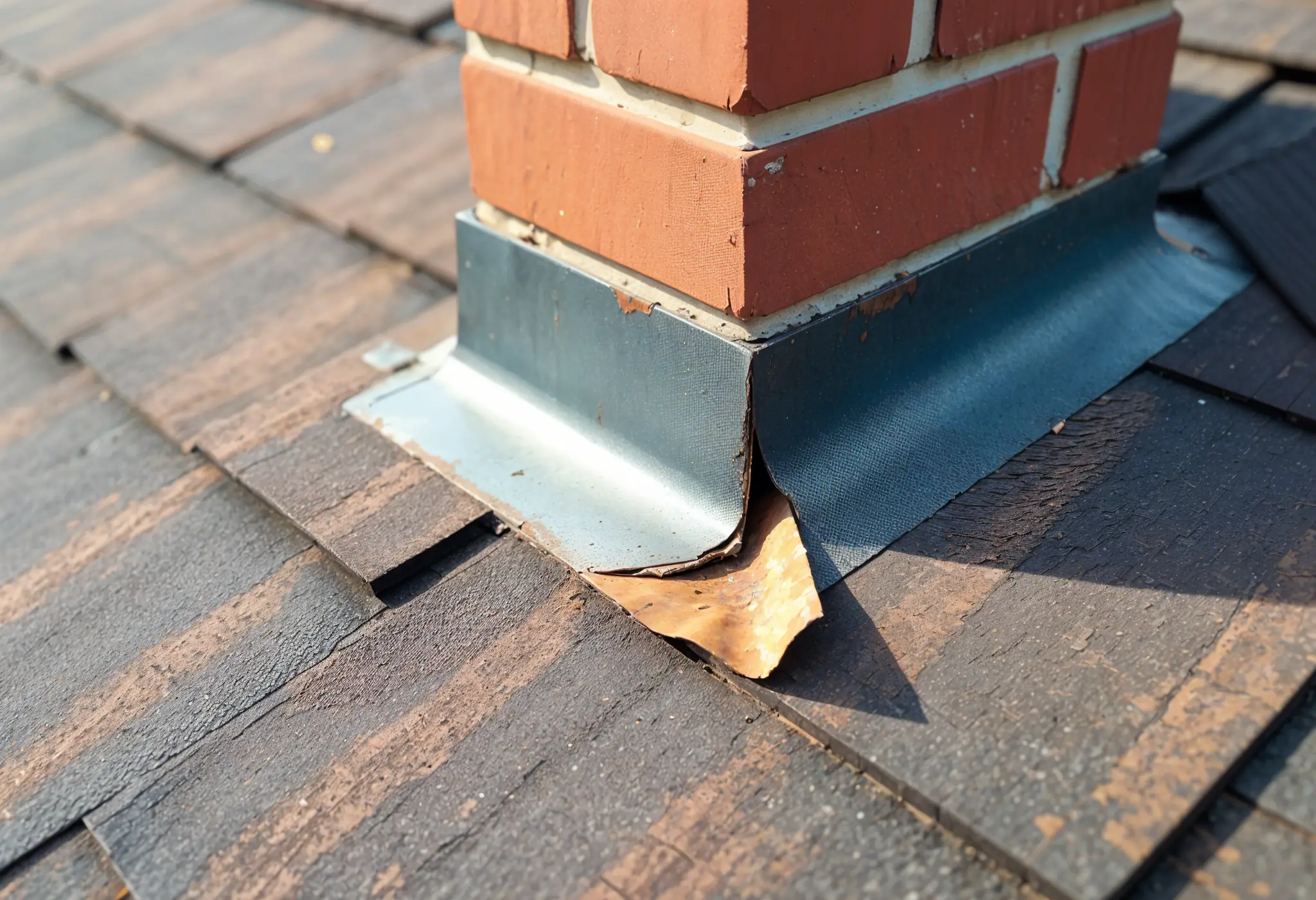
- Rust or corrode, creating gaps where water enters
- Pull away from the roof due to missing nails or failed seals
- Develop cracks from weathering and temperature changes
Clogged gutters causing water backup
Clogged gutters prevent proper drainage, forcing water to back up onto your roof. Subsequently, this standing water seeps under shingles and eventually into your home. Additionally, the extra weight from debris-filled gutters can pull them away from the fascia, creating more entry points for water. Regular gutter system maintenance is crucial for preventing these issues.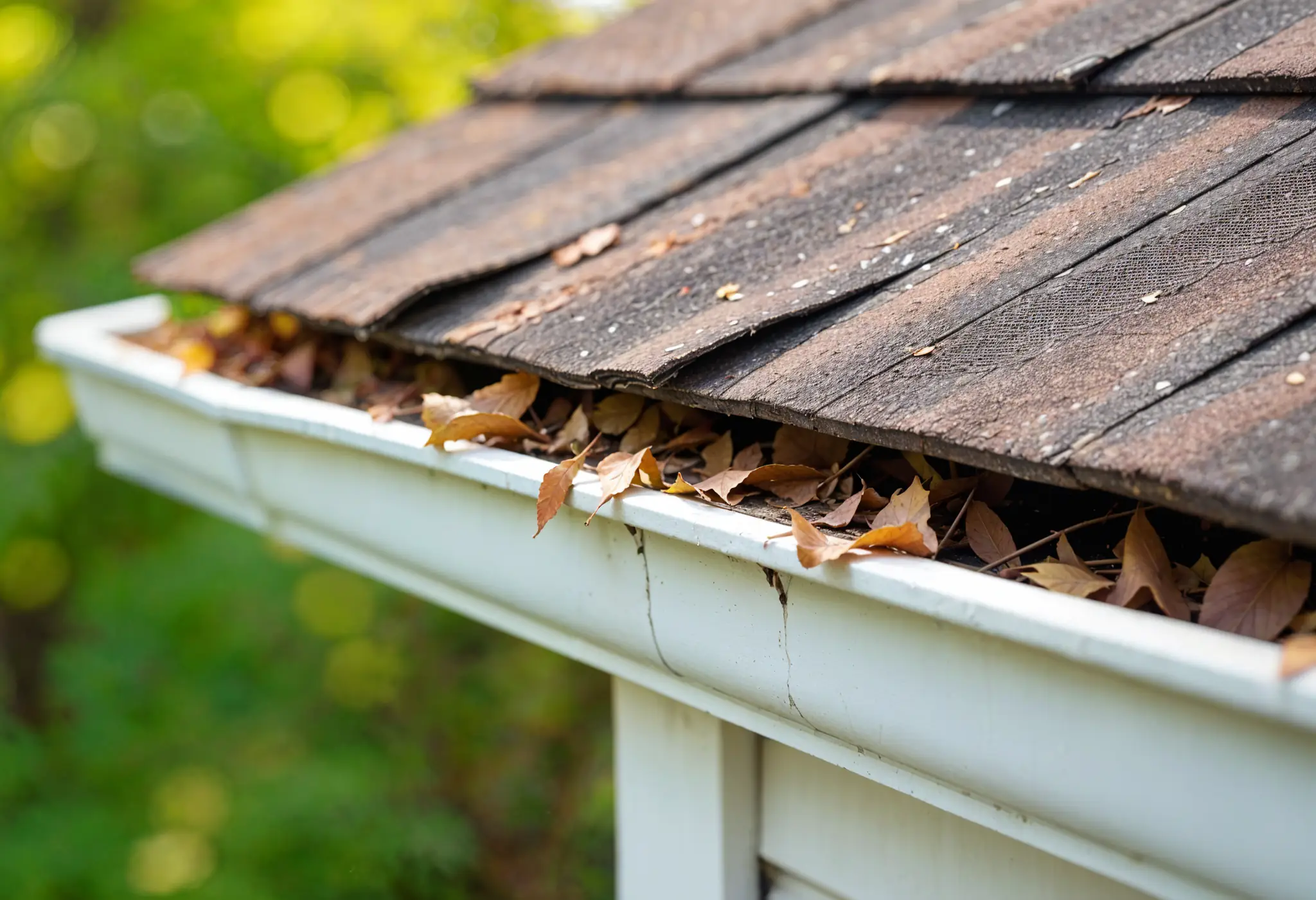
Warped or sagging roof decking
Roof decking – the plywood sheets that form your roof's foundation – can warp or sag when exposed to moisture. Initially, you might notice a wavy appearance on your roof's surface. Likewise, if you see discoloration on the underside of roof decking, you're likely dealing with excess moisture or an unidentified leak. Missing or damaged shingles often indicate localized leaks that, although small initially, gradually weaken your roof's structural integrity.Don’t wait for stains, mold, or sagging to tell you there’s a problem.Protect your home before the damage starts.Schedule your FREE roof inspection with My Modern Renovations today—West Virginia’s trusted experts in leak detection and high-quality roof repair. Request Your Free Estimate Now.How to Find a Roof Leak Step-by-Step
When water appears on your ceiling, the actual leak might be several feet away from the visible damage. Finding a roof leak requires detective work and a methodical approach to pinpoint its exact location. Here are some effective methods on how to tell if your roof is leaking:Start with an indoor inspection
First, examine your ceiling and walls for water stains, discoloration, peeling paint, or bubbling wallpaper. These visible signs help narrow down the general area of the leak. Next, move to areas where water might collect, such as corners of rooms or around light fixtures. Moreover, don't forget to check closets and other less-visited spaces, as leaks often remain undetected in these areas for longer periods.Check attic insulation and rafters
Once you've identified potential leak areas from inside your home, head to the attic with a flashlight. Look for:- Water stains, mold, or dark spots on wooden beams and rafters
- Damp or discolored insulation, which indicates water intrusion
- Sunlight visible through roof boards (turn off attic lights to spot these easily)
Inspect shingles and flashing from outside
After your indoor investigation, inspect your roof's exterior. Pay special attention to:- Missing, cracked, or curled shingles
- Damaged flashing around chimneys, vents, and skylights
- Debris accumulation that could trap moisture
Use a garden hose test to trace the leak
If visual inspection doesn't reveal the source, conduct a water test. This two-person job requires:- One person in the attic with a flashlight
- Another person outside with a garden hose
- Start low on the roof, soaking small sections at a time
- Work methodically upward until water appears inside
- Mark the location when the leak is detected
Document damage for insurance or repair
Finally, thoroughly document all findings with:- Clear photos of interior and exterior damage
- Written notes including dates and details of your observations
- Professional assessment from a qualified roofer if possible
When to Call a Roofing Professional
Even experienced DIYers recognize certain roofing situations require professional expertise. While identifying minor leaks yourself can save money, some scenarios demand specialized knowledge and equipment.