
Warning Signs Your Roof Needs Shingle Replacement: WV Guide
Shingle damage on your <strong >West Virginia home</strong> needs urgent attention. <strong >Compromised shingles</strong> allow water infiltration, leading to <strong >structural damage and mold growth</strong>. Quality <strong >asphalt shingles</strong> last <strong >20-30 years</strong>, while <strong >metal roofing</strong> delivers up to <strong >70 years</strong> of durability. As a <a href="https://www.mymodernrenovations.com/service/roofing" target="_blank"><strong >trusted WV roofing service</strong></a>, we understand the <strong >unique roofing challenges</strong> homeowners face. West Virginia’s <strong >harsh weather—heavy snow, storms, and extreme temperature swings—accelerates shingle wear</strong>. Warning signs include <strong >cracked shingles, granules in gutters, and roof sagging</strong>. Ignoring these <strong >roof repair signals</strong> leads to costly damage. If <strong >25-30% of your roof is damaged</strong>, <strong >roof replacement</strong> is the best option to protect your <strong >home’s integrity</strong>. This guide covers <strong >critical roof damage signs</strong> to help you make informed decisions.<figure class="w-richtext-figure-type-image w-richtext-align-fullwidth" style="max-width:2432px" data-rt-type="image" data-rt-align="fullwidth" data-rt-max-width="2432px"><div ><img src="https://cdn.prod.website-files.com/67582738a4d440ae196dc54c/67bc53dbc0d5e705e26c6c20__roof-inspection-virginia-shingles.webp" loading="lazy" alt="A roofing professional inspecting cracked shingles for replacement on a Virginia home." width="auto" height="auto" ></div><figcaption >Spotting <strong >damaged shingles early</strong> prevents <strong >major repairs</strong>—a critical step for <strong >West Virginia homeowners</strong>.</figcaption></figure>
Understanding Shingle Lifespan in Mountain State Homes
West Virginia's diverse climate indeed affects shingle durability significantly. Annual precipitation ranging from 35-45 inches, combined with temperature swings between the 20s and 90s, creates unique challenges for shingle performance and overall roof lifespan.
Average Durability Under West Virginia Conditions
Mountain State weather conditions reduce a roof's expected lifespan by 15-20% compared to regions with milder climates. Your shingle choices significantly impact longevity:Quality roofing materials serve your home for many years:- Architectural shingles: 30 years of reliable protection
- Metal roofing: 40-80 years of durability
- Slate roofing: 60-150 years of service
- Clay tiles: Beyond 100 years

Critical Factors Affecting Your Shingle's Lifespan
Your West Virginia home's shingle performance depends on several key elements:Installation Excellence Poor installation methods, particularly incorrect nailing patterns or overdriven nails, allow water seepage underneath shingles. Quality underlayment selection, such as synthetic felt or peel-and-stick options, significantly extends your roofing system's durability.Roof Pitch Considerations Your roof's slope plays a crucial role in longevity. Steeper pitches, typically greater than 6:12, efficiently shed water and debris. Watch for low-pitched sections under 3:12, as these areas remain more susceptible to water pooling and subsequent damage.Ventilation and Regular Care Unventilated, hot attics "cook" shingles from underneath, substantially reducing their lifespan. Remember that proper roof maintenance, particularly addressing storm damage promptly, prevents widespread deterioration.Environmental Impact Mountain State humidity often leads to mold, mildew, and algae growth. Your shingles face additional stress from excessive shade and contact with adjacent foliage, potentially reducing lifespan by up to a decade.Material Selection Architectural shingles, being thicker and more durable than three-tab varieties, consistently outperform basic options. These premium materials maintain their integrity for 25 years or more without showing significant wear.
Hidden Roof Problems That Need Immediate Attention
Water leaks from your roof can lead to devastating structural damage and dangerous mold growth if left unchecked. Your West Virginia home often reveals concealed shingle problems through subtle yet critical warning signs inside your living space.
Interior Water Damage Signs
Water stains on ceilings or walls notably signal potential roof damage. These stains often appear as brown, yellow, or gray patches that grow larger over time.Watch for these critical warning signs:- Peeling or bubbling paint near ceiling edges
- Sagging ceiling materials showing severe water saturation
- Musty odors around stained areas indicating active roof leaks
Attic Inspection Red Flags
Regular attic inspections serve as your first line of defense against hidden roof problems. Upon entering your attic, check for any visible daylight penetrating through roof boards. These light breaches allow water infiltration during West Virginia's heavy rains.Your attic reveals crucial signs of roof problems through:- Damp or discolored wood around rafters
- Wet or compressed insulation materials
- Frost-covered nail tips during cold weather, known as "shiners"
- Signs of pest activity, especially around entry points
- Mold growth on wooden surfaces
- Unusual humidity levels in the space
- Water stains along roof decking
- Rotting wood structures
Modern Shingle Solutions for West Virginia Homes

Advanced Material Options
Self-healing shingles crafted from thermoplastics offer remarkable durability, repairing minor scratches through natural sun exposure. These materials maintain their protective qualities despite West Virginia's dramatic temperature swings. Impact-resistant shingles, engineered with polymer-modified asphalt, deliver superior protection against our severe hailstorms.Your modern roofing choices include synthetic materials that mirror natural slate or wood while providing enhanced durability. Algae-resistant granules protect against organic growth, allowing manufacturers to confidently offer 25-30 year roof warranty options.Energy-Saving Innovations
West Virginia's summer heat poses significant challenges for traditional roofing. Standard roofs typically reach temperatures exceeding 150°F, while ultra-reflective shingles reduce this by up to 50°F. These temperature reductions translate to 10-30% savings on cooling costs, addressing high energy bills common in poorly insulated homes.Your energy-efficient shingle options feature:- Solar-reflecting granules that decrease heat absorption
- Higher thermal emittance properties
- Varied color options without compromising efficiency
Solar Integration Capabilities
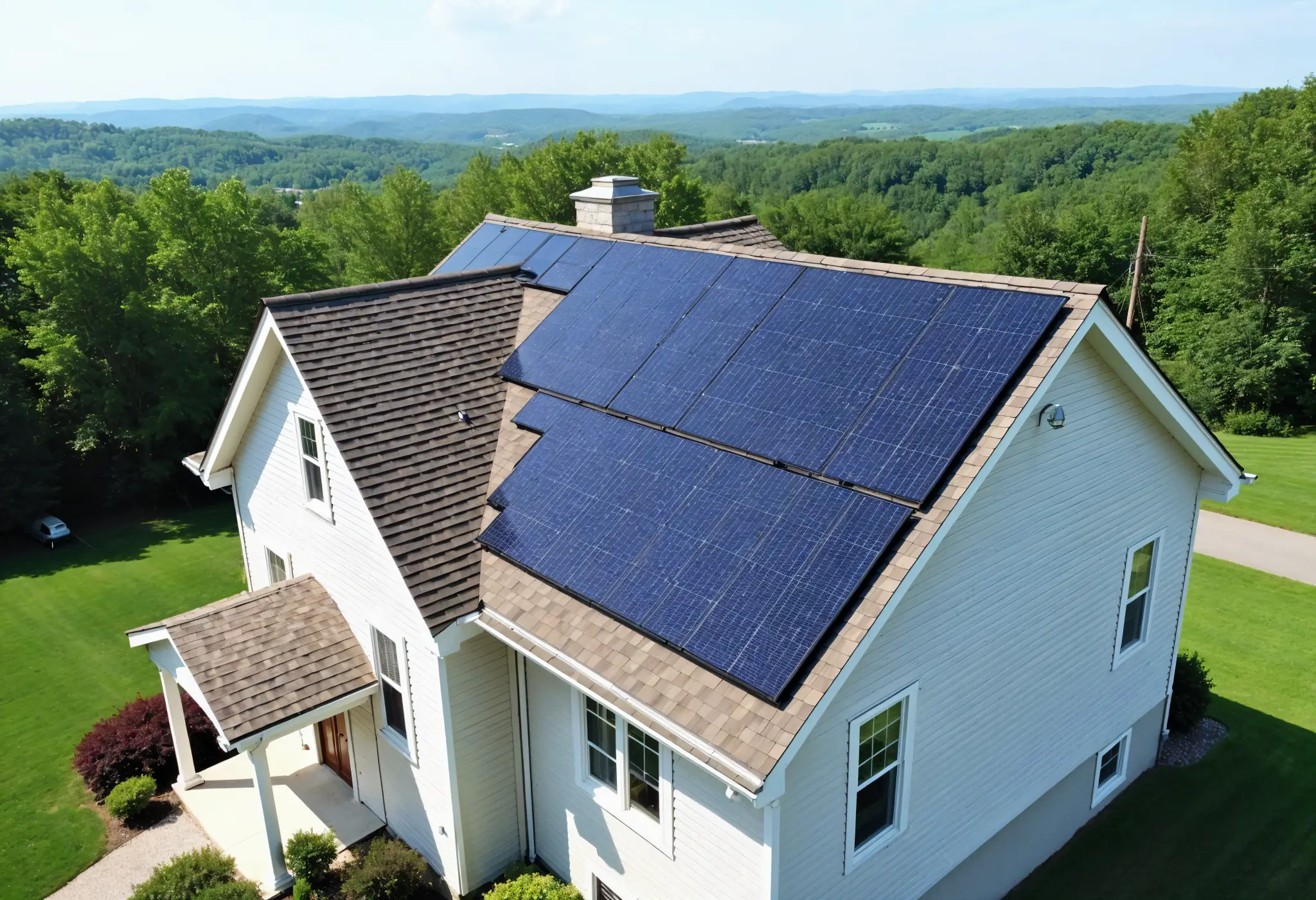
- Lay flush against roof decks
- Withstand winds up to 130 mph
- Maintain water-shedding capabilities


