8 Hidden Roof Wind Damage Signs for WV Homeowners
Wind damage to roofs in West Virginia is more common than many homeowners realize. Wind speeds as high as 90 mph have been recorded at Huntington Airport, causing serious roof damage across the state. Even winds as low as 45 mph can bend or lift shingles, exposing your roof to leaks and structural issues. In fact, wind damage is the most frequently filed insurance claim for roof repairs in West Virginia. Unfortunately, most homeowners don’t notice the signs of roof damage until problems like leaks or water intrusion appear. Strong winds can curl, crack, or tear shingles - especially during West Virginia’s severe storms and unpredictable weather patterns. This guide reveals the hidden signs of wind damage to your roof, how to inspect safely after storms, and effective strategies to prevent future roof storm damage. Knowing what to look for can help West Virginia homeowners avoid costly roof repairs or full replacements while keeping their homes protected year-round.
Understanding Wind Damage in West Virginia
West Virginia's unique topography creates perfect conditions for damaging wind patterns that threaten roof integrity across the state. The Mountain State's landscape amplifies wind effects in ways many homeowners don't anticipate, unlike flatter regions where wind patterns remain more predictable.
How West Virginia's geography increases wind risk
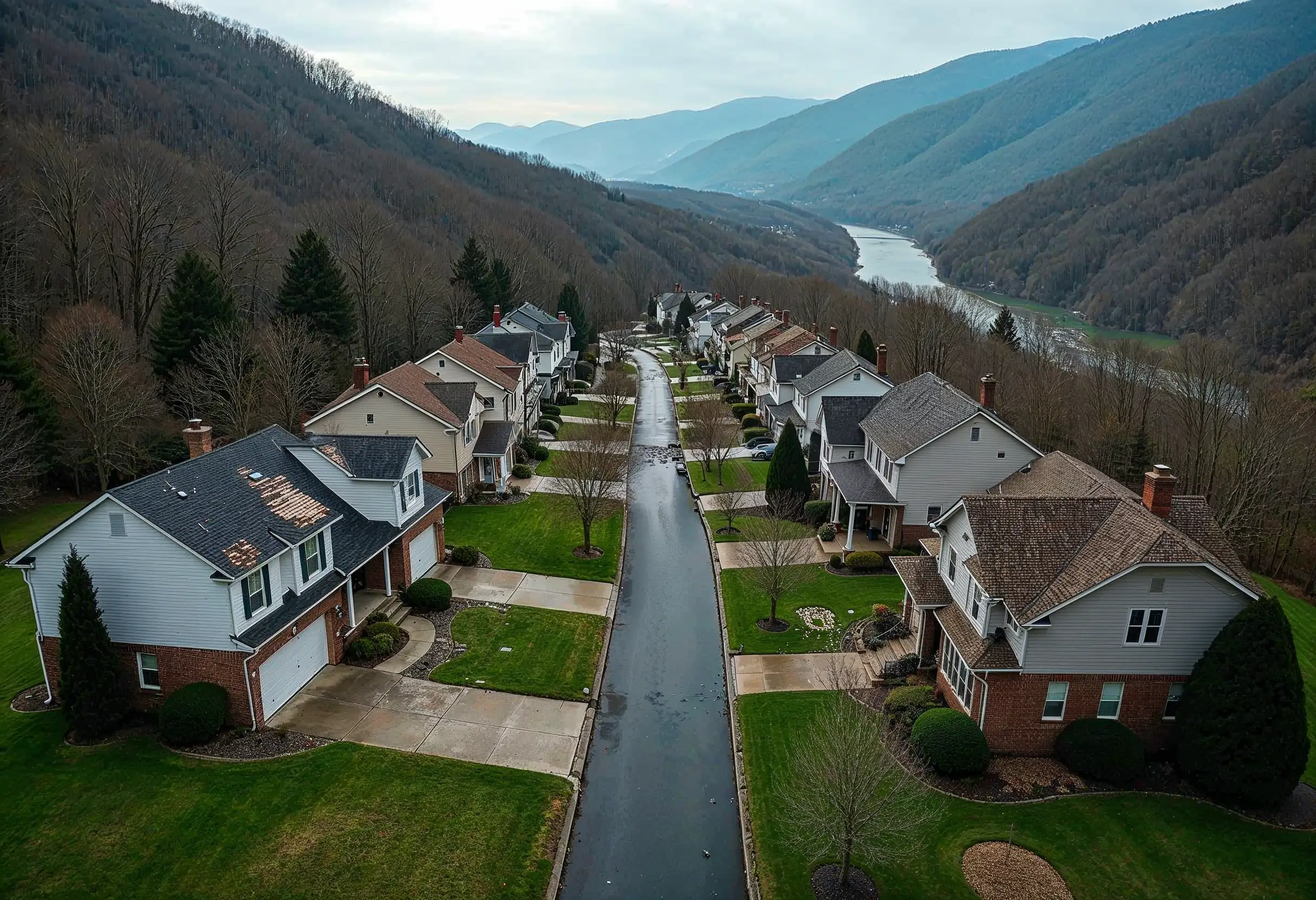
West Virginia's valleys and river corridors act as natural wind tunnels, channeling and intensifying air movement. Homes in Huntington face particularly challenging conditions due to the city's proximity to rivers and valleys, making properties more exposed to powerful gusts and heavy rainfall during storms. The state's varying elevations create pressure differentials that strengthen winds as they move between mountains and valleys.The consequences of this geographical vulnerability became evident when powerful winds tore through the state, ripping the roof off South Charleston City Hall and damaging the Phil Gainer Community Center, allowing rain to pour inside. These geographical features contribute to the formation of micro-climate zones where wind patterns can shift dramatically within short distances, increasing the risk of roof storm damage.Typical wind speeds that cause roof damage
Most homeowners are surprised to learn that wind damage begins at much lower speeds than they expect. Winds as mild as 50 mph can compromise shingles, especially if they're older or already weakened. The damage progression typically follows this pattern:- 40-45 mph: Branches break and may fall onto roofs, causing impact damage
- 45-55 mph: Weak limbs break, creating potential for structural damage
- 50-60 mph: Asphalt shingles begin sustaining damage as wind creates lifting effects
- 55-65+ mph: Moderate to heavy structural damage occurs
- 70+ mph: Severe structural damage becomes likely
Why wind damage often goes unnoticed
Wind damage frequently remains hidden until it escalates into major problems. This occurs because wind doesn't simply blow shingles off - it creates complex pressure differentials around your roof. When wind flows over shingles, it generates a lifting effect similar to an airplane wing, pulling shingles upward rather than just pushing against them.Once this lifting breaks the adhesive seal holding shingles in place, subsequent wind events - even milder ones - can cause progressively worse damage. The most concerning aspect is that many subtle signs like broken sealant strips, minor flashing damage, and horizontal scuff marks often appear long before obvious external damage becomes visible.Protect your West Virginia home with expert roofing you can count on. Contact My Modern Renovations today for a free estimate and long-lasting peace of mind.8 Hidden Signs of Wind Damage to Your Roof
Once a windstorm passes through your neighborhood, the real detective work begins for West Virginia homeowners. Wind damage doesn't always announce itself with obvious signs. Instead, you'll need to look for these subtle indicators that your roof has been compromised.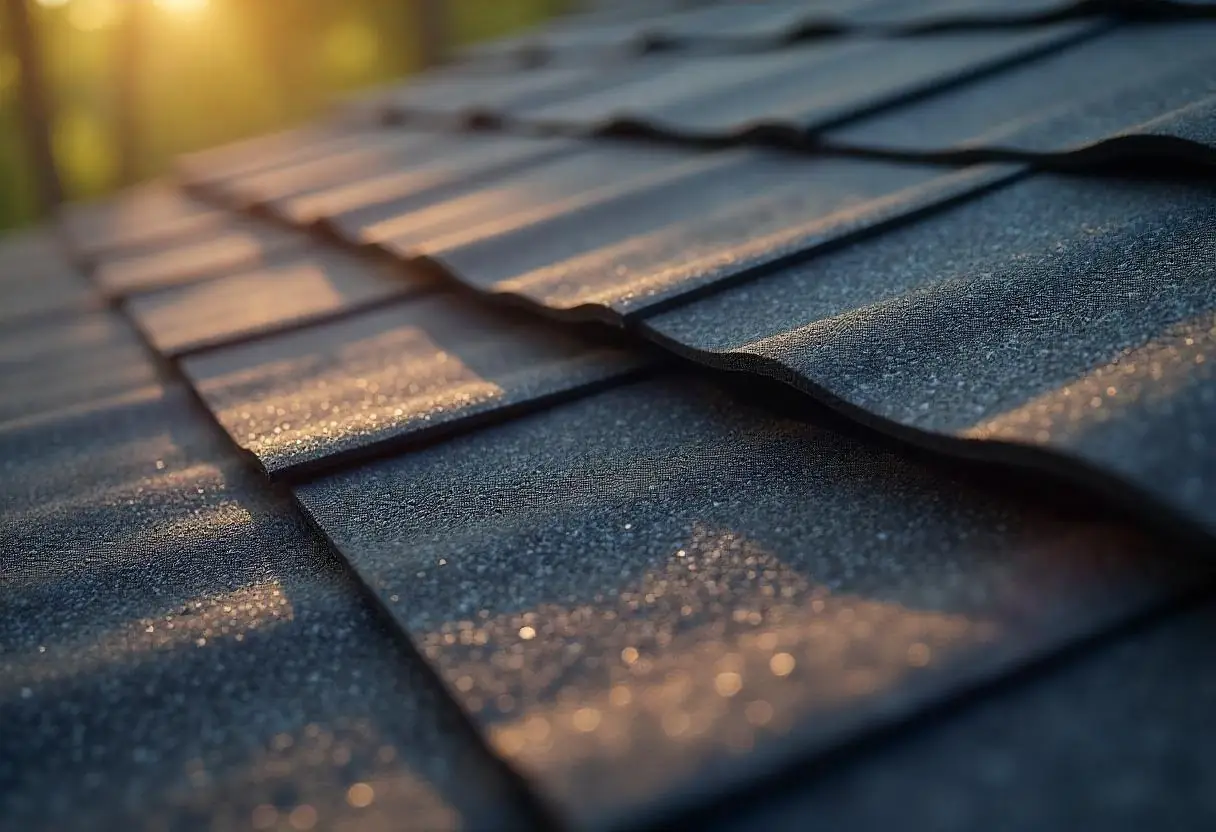
1. Shingles that are curled, lifted, or missing
Check for shingles with upturned edges or misaligned appearance. High winds create uplift forces that gradually loosen shingles, especially along roof edges where the slope meets the fascia or soffit. These lifted shingles often show creases or folds in the tabs - clear evidence that wind pressure has broken their adhesive seal. Even if shingles haven't completely detached, these gaps expose the underlayment to moisture and further damage, potentially leading to roof leaks.2. Granules collecting in gutters or downspouts
Those tiny pebble-like particles in your gutters aren't just debris - they're protective granules from your shingles. These granules shield your roof from harmful UV rays and extend its lifespan. Following strong wind events, excessive granule accumulation around downspouts signals that your shingles are losing their protective coating. Without this barrier, shingles become vulnerable to cracking, curling, and accelerated deterioration. Regular gutter cleaning can help you monitor this issue while maintaining proper drainage.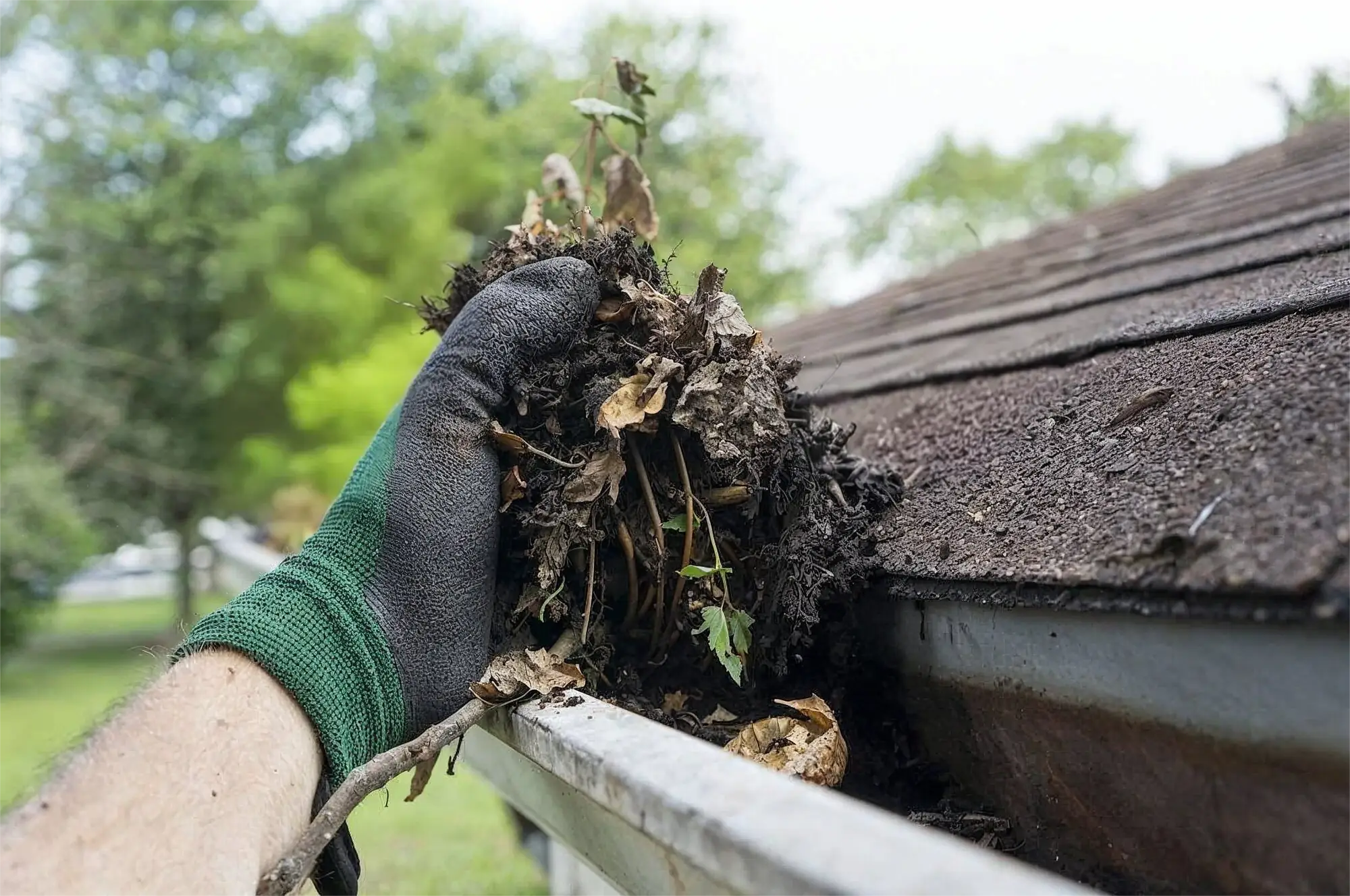
3. Flashing that is bent or detached
Metal flashing protects vulnerable roof areas around chimneys, vents, and skylights. Strong winds can easily pull or bend this critical component. Since flashing serves as a water barrier, even small gaps created by wind can allow moisture to penetrate your roofing system. Inspect carefully for loose edges or separation between the flashing and roof features. Flashing damage is a common entry point for water, leading to more severe issues if left unaddressed.4. Water stains on ceilings or attic walls
Sometimes, the first signs of wind damage appear inside your home. Water spots on ceilings, bubbling paint, or peeling plaster might indicate damage on the roof above. The roof issue has likely been present for a while before these interior symptoms emerge. Check your attic for damp rafters, wet insulation, or signs of moisture infiltration after storms. These indicators often point to compromised roof ventilation or hidden leaks caused by wind damage.5. Sagging or uneven rooflines
A roof that appears to be sagging or uneven indicates significant structural issues potentially caused by wind stress. This serious condition requires immediate attention to prevent further damage. Inside your home, look for cracked or sagging ceilings, which can also signal roofline problems. Addressing this quickly helps avoid more extensive structural deterioration and potential safety concerns.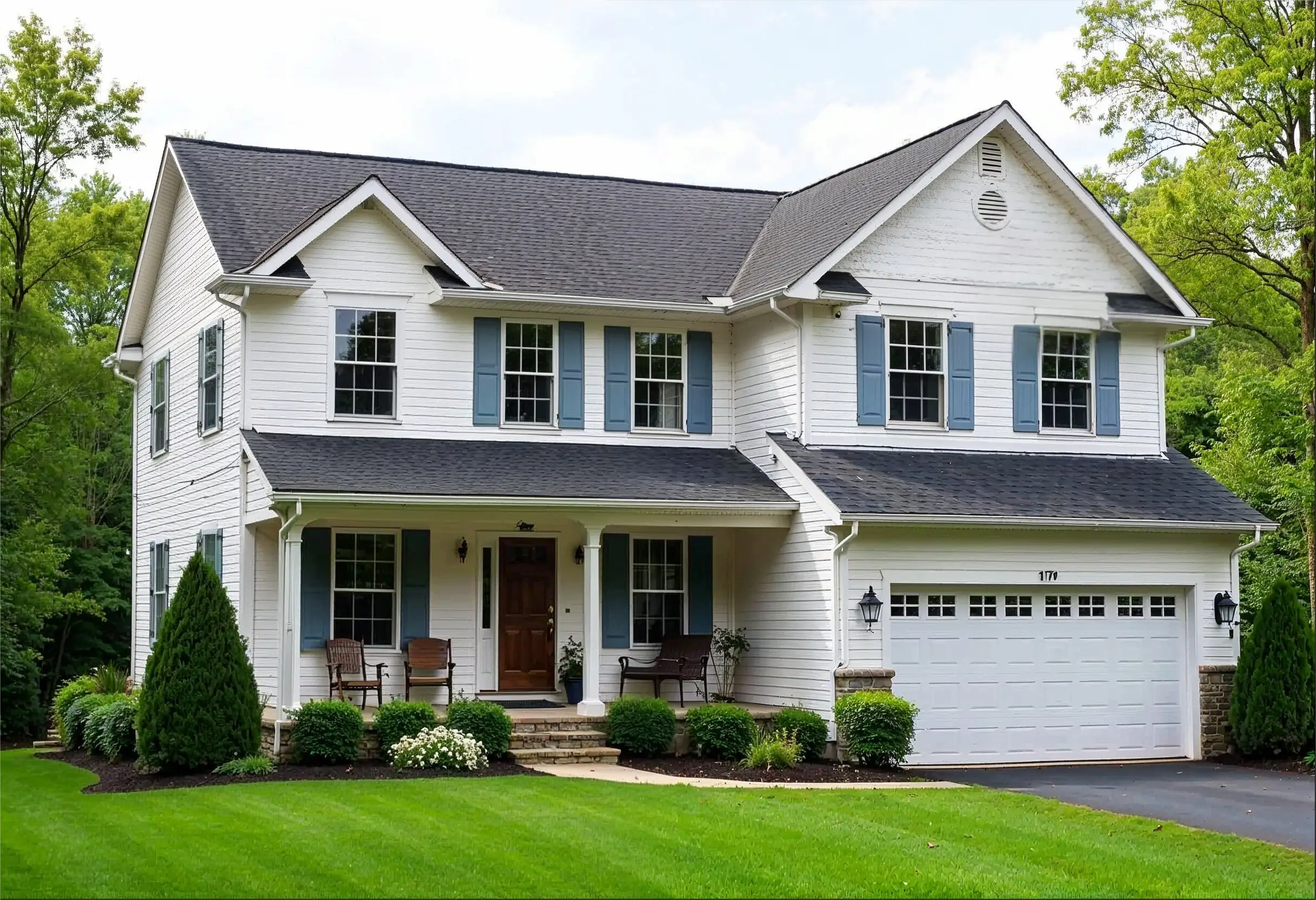
6. Dents on vents, flashing, or metal components
Examine roof vents, flashing, and other metal components for visible dents - especially after hailstorms accompanied by high winds. These dents serve as evidence that your roof experienced significant impact. If hail was strong enough to damage metal elements, your shingles have likely sustained damage as well, even if it's not immediately visible. Flying debris during storms can cause similar damage, necessitating a thorough inspection.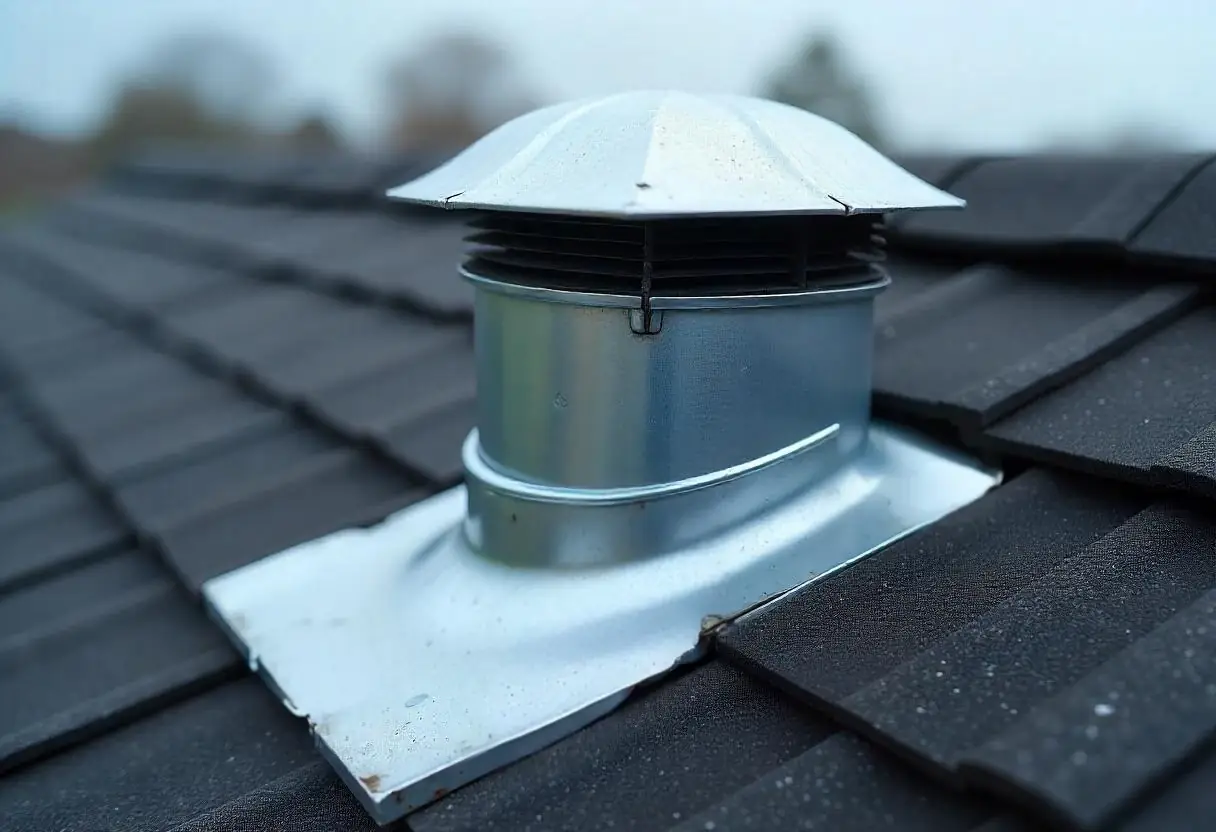
7. Loose or damaged soffit and fascia
Your roof's soffit (the flat board under roof overhangs) and fascia (boards running horizontally at roof edges) provide crucial protection against the elements. Wind exposure can cause these components to warp, crack, or rot over time. Damaged fascia boards create gaps for cold air and wind, compromising your home's insulation and potentially allowing pests entry into your attic. Fascia damage can also lead to issues with gutter attachment, affecting proper water drainage.8. Debris buildup in roof valleys or edges
Twigs, branches, and leaves in concentrated patches can indicate strong directional wind patterns. These clusters often accumulate in roof valleys, which are prone to water collection. Even with intact shingles, debris weight and trapped moisture can lead to rot or mold development. Regular cleaning prevents this debris from clogging gutters and causing overflow onto fascia and soffits. Water pooling in these areas can accelerate damage and compromise your roof's integrity.
How to Inspect Your Roof After a Storm
Storm damage assessment requires immediate attention once dangerous conditions pass. West Virginia homeowners who act quickly can prevent minor issues from becoming major structural problems and costly water damage repairs.When and how to perform a safe ground-level inspection
Safety concerns must come first during any post-storm evaluation. Never attempt roof inspection while conditions remain hazardous or during active weather events. Walk your property's perimeter systematically, examining the roof from multiple vantage points to identify obvious damage indicators like missing shingles, debris accumulation, or compromised flashing around chimneys and vents. Check gutters and downspouts for excessive shingle granules - these tiny particles signal potential roof deterioration that requires professional attention.Using binoculars to spot damage from below
Binoculars eliminate the need for dangerous climbing while providing detailed views of potential problems. My Modern Renovations experts recommend homeowners check roofs from ground level only, as walking on your roof can cause additional damage and pose safety risks. Quality binoculars allow you to identify cracked caulk or rust spots on flashing, buckling or blistering shingles, cracked rubber boots around vent pipes, and masses of moss or lichen that indicate possible decay. This method provides comprehensive assessment without compromising your safety or potentially causing additional roof damage.What to look for inside your attic
Interior inspection often reveals problems before they become visible in living spaces. Choose a sunny day to examine your attic for daylight showing through roof boards - a clear indicator of gaps or holes. Examine insulation carefully for moisture or mold growth, both signals of potential leaks requiring immediate attention. Wood rafters and trusses should be checked for water stains, which appear as dark discoloration on the underside of roof sheathing. Areas around bathroom vents deserve special attention, as improper installation can contribute to moisture problems that compromise your roof's integrity and overall energy efficiency.When to call for a professional roof inspection
Professional assessment becomes necessary when interior damage appears or energy costs increase unexpectedly. Schedule immediate professional inspection within 1-3 days after major storms with high winds or hail. Contact roofing professionals immediately if you notice visible damage, active leaks, or water stains on ceilings and walls. Homes with roofs over 10 years old benefit from annual professional inspections to catch problems before they develop into expensive repairs. An experienced insurance adjuster may also be involved in assessing storm damage for potential claims.Repair and Prevention Strategies for WV Homeowners
Preventing roof damage proves far more cost-effective than emergency repairs after a storm. Proper preparation and regular roof maintenance help your West Virginia home withstand the region's challenging weather conditions, including heavy rain and temperature fluctuations.Choosing Wind-Resistant Shingles and Materials
Material selection determines your roof's ability to withstand heavy winds. Look for products specifically rated for high wind resistance, such as Class F or G asphalt shingles that provide a necessary first line of defense. For optimal protection in WV's windier regions, consider impact-resistant shingles or metal roofing. These materials have been tested to withstand winds up to 150 mph and offer enhanced protection against wind uplift. Areas like Huntington, where storms are common, benefit significantly from investing in impact-resistant materials that can save thousands in potential repair costs.The performance difference becomes evident during severe weather events. Standard asphalt shingles may lift or tear at wind speeds that impact-resistant materials easily withstand. Metal roofing systems, while requiring higher initial investment, demonstrate exceptional durability against both wind and hail damage throughout West Virginia's demanding climate conditions. Additionally, these materials often contribute to improved energy efficiency and can reduce cooling costs in summer months.Scheduling Seasonal Roof Inspections
Professional roof assessments are recommended at least twice yearly; experts can spot subtle signs of wind damage the untrained eye might miss. Schedule a thorough inspection in spring to assess winter damage, and prepare your roof for winter in fall with another check. Roofs over ten years old require more frequent evaluations. Regular maintenance remains your best defense against West Virginia weather damage and is crucial for extending your roof's lifespan.These inspections often reveal problems before they become visible inside your home. Professional roofers understand the specific challenges West Virginia weather creates and can identify potential failure points that might otherwise go unnoticed until significant damage occurs. They can also assess your roof ventilation system, ensuring proper airflow that prevents heat buildup and moisture accumulation in your attic space.Trimming Overhanging Branches Near Your Roof
Well-maintained trees minimize the risk of falling branches during high winds. Falling trees and branches cause an estimated $1 billion of property damage annually. Trimming enhances overall tree health, making them more resilient to storms while reducing wind resistance. Remove any dead branches that could potentially damage your roof during storms and trim back any growth that extends over your roof. This preventive maintenance step is crucial for reducing the risk of impact damage from flying debris during severe weather events.Consider the mature size of trees when planning landscaping around your home. Species that grow tall with weak wood structures pose particular risks during West Virginia's frequent wind events. Strategic tree placement and regular maintenance prevent most tree-related roof damage while enhancing your property's overall environmental impact and aesthetic appeal.