Spot Mold vs Mildew on Roofs: WV Homeowner’s Guide
Did you know <strong >90% of roof leaks start at flashings</strong>, creating the perfect breeding ground for <strong >mildew and mold growth</strong>? With <strong >West Virginia</strong> getting <strong >35-45 inches of rainfall yearly</strong>, your roof faces constant risk of leaks that can lead to <strong >serious mold and mildew problems</strong>. Left unchecked, roof leaks allow moisture to seep into your attic, crawl space, or ceiling, setting up ideal conditions for <strong >mold spores</strong> to spread. This not only causes costly <strong >water damage and structural issues</strong> but also endangers your family’s health by triggering <strong >allergies, asthma, and respiratory problems</strong>. Visible mold on walls or ceilings often signals long-standing moisture issues. As a homeowner in West Virginia, spotting the early signs of roof leaks and knowing how to identify <strong >mold vs mildew</strong> is key to avoiding major repairs and protecting your indoor air quality. In this guide, learn the differences between mold and mildew, how to inspect your home, and when to call for <strong >professional mold testing, roof inspection, and water damage restoration</strong>.
How to Tell Mold from Mildew on Your Roof
While many West Virginia homeowners use the terms mold and mildew interchangeably, recognizing their differences is crucial for proper treatment and prevention of roof damage.
What is mildew vs mold?
Black mildew vs mold: key differences
The most noticeable difference between these fungi is their appearance. Mold typically exhibits a slimy or fuzzy texture and comes in darker colors like black, green, brown, or dark gray. In contrast, mildew has a powdery, light-colored appearance that remains flat against surfaces.Their growth patterns also differ significantly. Mold spreads quickly and deeply into materials, whereas mildew spreads more slowly and stays on the surface. Consequently, mold causes more severe structural damage since it can infiltrate your roof decking and even reach your attic, potentially leading to wood rot.Mildew vs mold smell: how to identify by scent
Both fungi produce distinctive odors through compounds known as microbial volatile organic compounds (mVOCs). Mold creates a strong, pungent, earthy smell that's highly unpleasant. Indeed, this rancid odor resembling spoiled food is often the first sign of roof mold for many homeowners.Mildew produces a musty or damp odor that, although unpleasant, isn't quite as strong or distinctive as mold's smell. These odors can significantly impact your indoor environment and may require professional air quality testing to identify the source.Mildew vs black mold: which is more dangerous?
Although neither is welcome on your roof, mold - especially black mold - poses more serious threats. Mold releases allergens and mycotoxins that can trigger respiratory problems, eye irritation, and skin reactions. For people with respiratory conditions or compromised immune systems, these health effects can be severe, often necessitating the use of a respirator mask during cleanup.Mildew, though less hazardous, can still cause milder respiratory irritation and allergic reactions. Moreover, while mildew primarily affects your roof's appearance, mold can compromise its structural integrity by penetrating deeply into materials, potentially leading to long-term damage.Protect Your West Virginia Home from Mold and Roof Damage - Schedule Your Professional Inspection with My Modern Renovations Today.Visible Signs of Mold or Mildew in Your Roof
Recognizing the early warning signs of roof moisture problems can save you thousands in repair costs. Knowing what to look for helps you distinguish between mildew vs mold before the situation worsens and requires extensive water restoration.Mildew stains on ceiling and walls
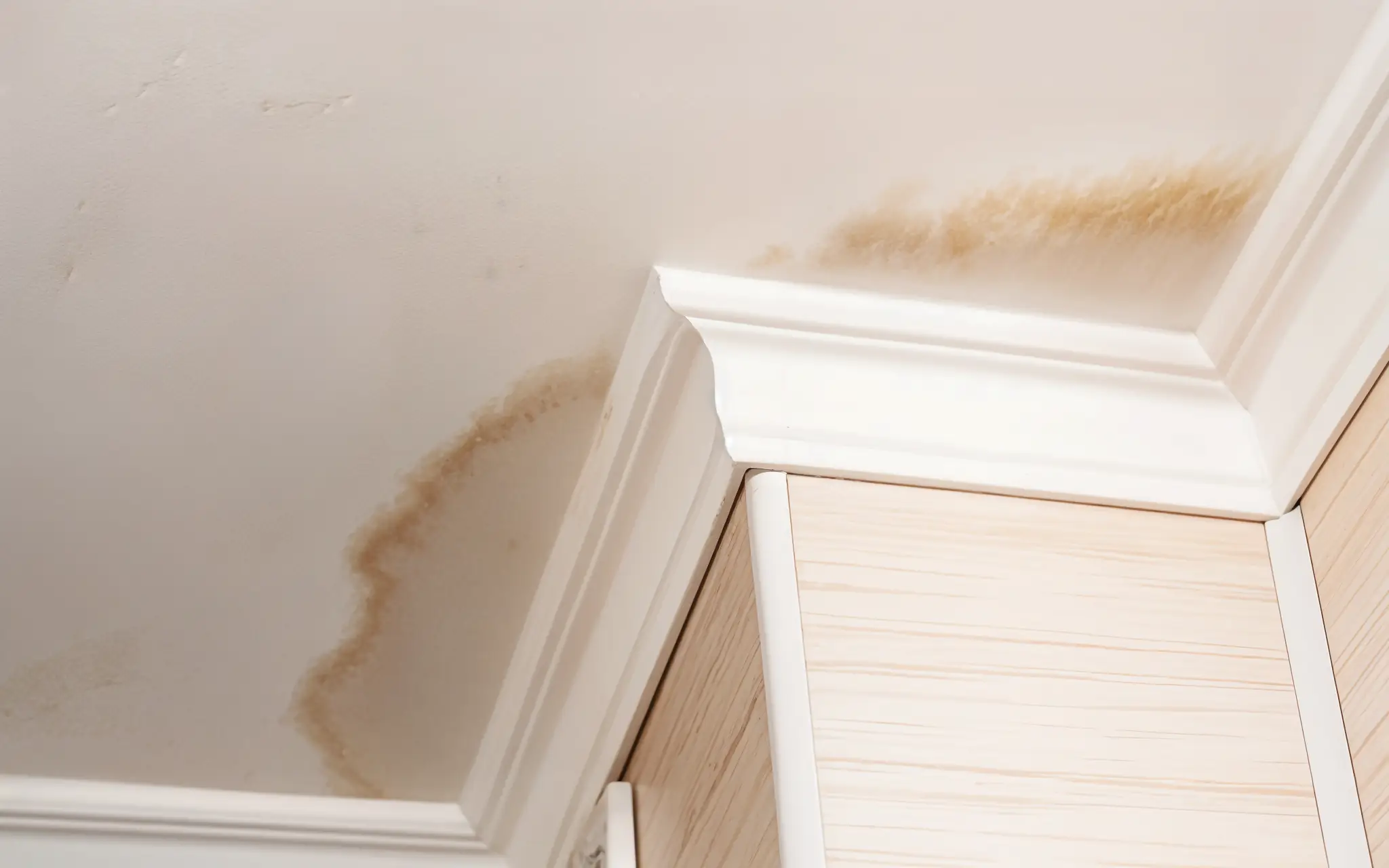
Discoloration on your ceiling often appears first as light brown or yellowish stains, resembling tea or coffee marks. These stains typically develop within 1-24 hours after water exposure. As leaks persist, circular rings form, indicating prolonged water damage. Fresh stains feel firm to touch, but over time, affected areas become spongy and structurally compromised. Bubbling wallpaper is another telltale sign of moisture issues behind walls.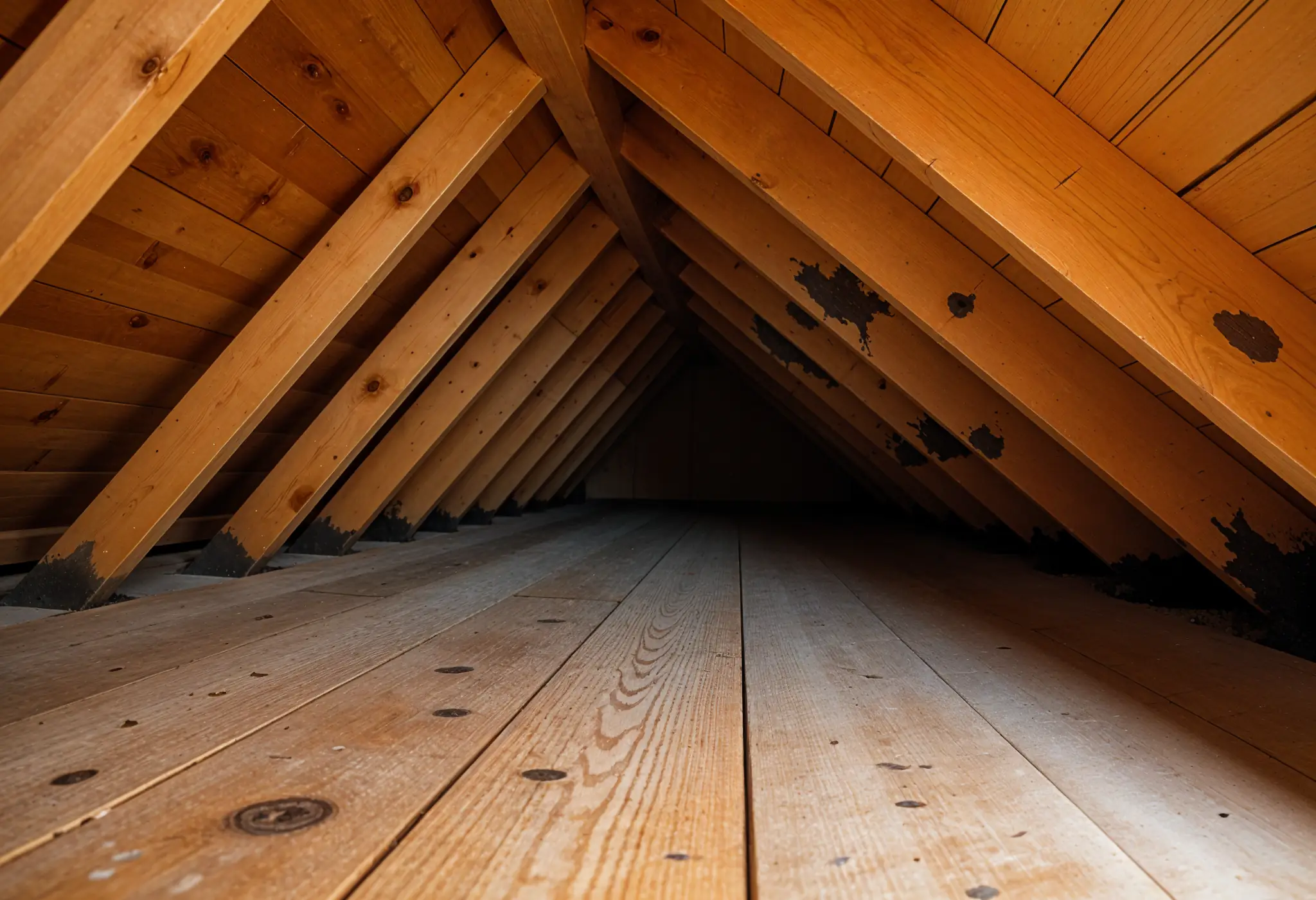
Musty or earthy smell in attic
Trust your nose - a musty odor in your attic strongly indicates moisture problems. Mold produces distinct smells ranging from earthy and sour to odors resembling wet socks or rotting meat. This smell often becomes more noticeable in enclosed spaces like closets or attics. Notably, persistent musty odors, even after ventilation, suggest potential mold growth and may require professional assessment.Signs of mold in attic insulation
Check your attic insulation for dampness - wet insulation not only signals potential mold growth but also reduces insulation effectiveness and can contribute to thermal bridging. Look for dark black discoloration on wooden surfaces, which indicates the problem has advanced beyond simple moisture. Mold on insulation appears cottony or wooly with shades of black, green, or brown.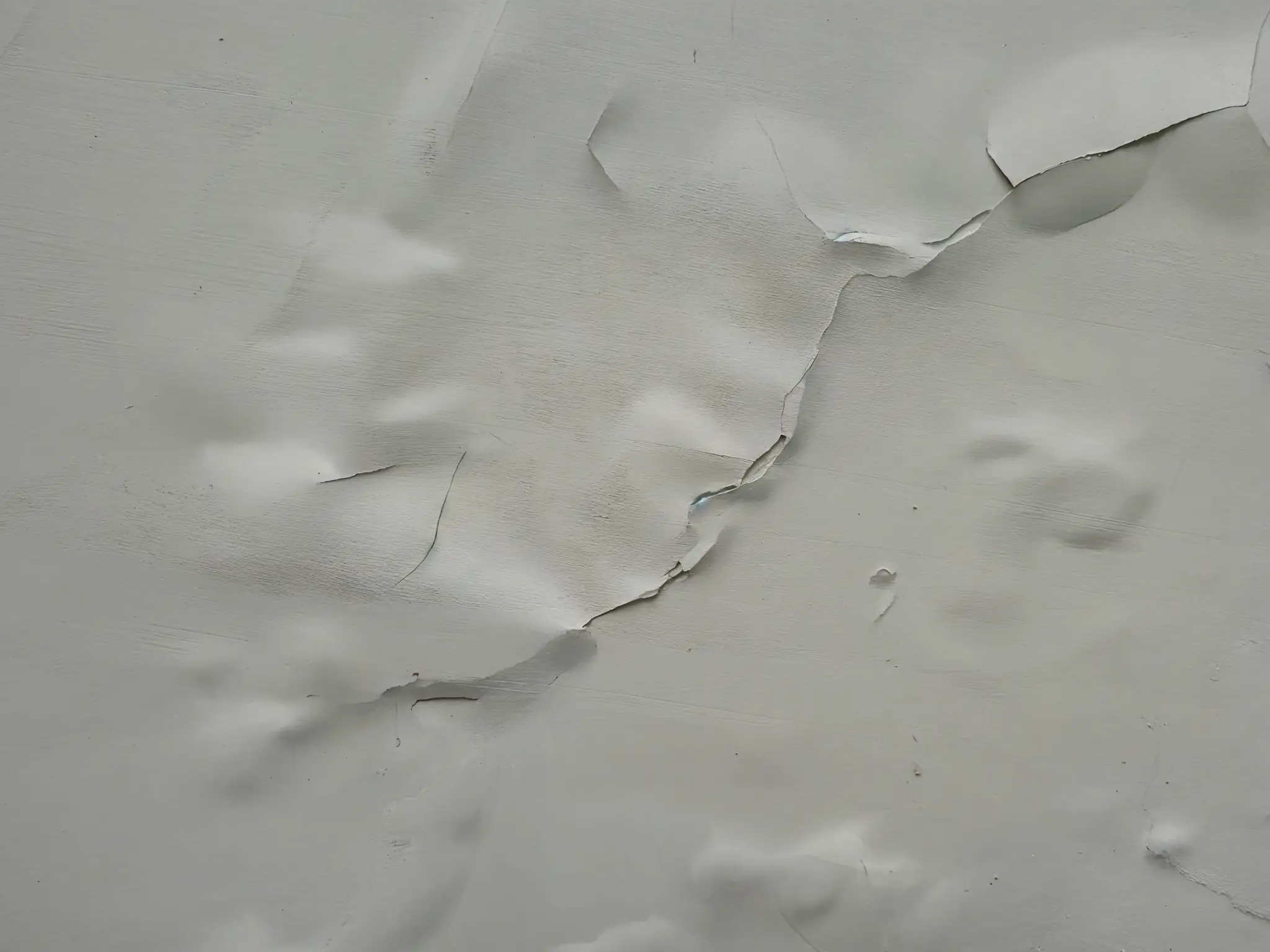
Peeling paint or bubbling drywall
When moisture penetrates between paint and drywall, the paint loses adhesion, creating bubbles or blisters. Subsequently, paint peeling often accompanies water damage. Beyond cosmetic issues, bubbling paint frequently indicates hidden water damage underneath, possibly extending to the roof structure.Visible mold patches near roof leaks
Mold near leaks typically appears as dark spots or patches in black, green, brown, or even pink colors. Primarily, mold grows on the underside of roof sheathing rather than the exterior, visible from inside your attic as black, white, or green splotches. Accordingly, mold establishes itself on damp surfaces within 12 days, becoming visible only after approximately 18 days. Regular roof inspections using a moisture meter can help detect these issues early.What Causes Mold and Mildew to Grow in Roofs
Understanding the root causes of mold and mildew growth on your roof is essential for effective prevention and treatment.Roof leak mold vs mildew: how water damage starts it all
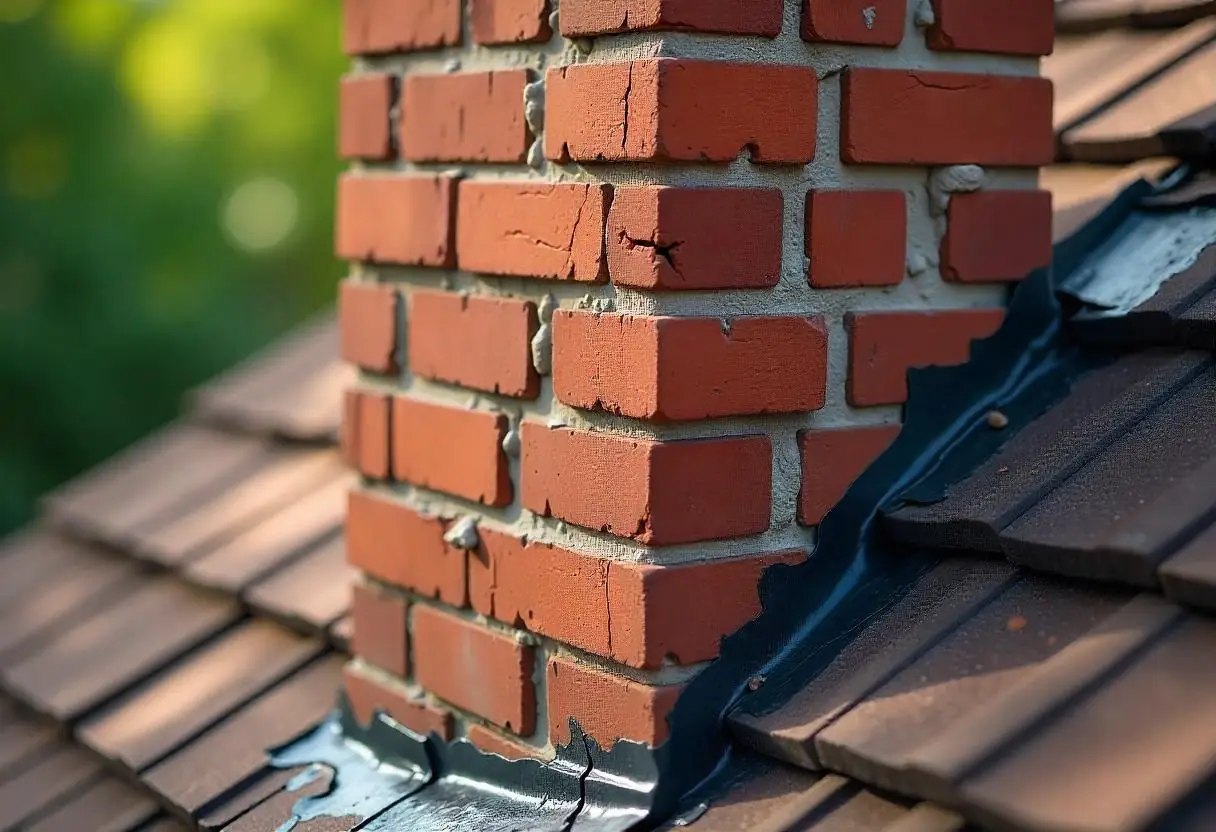
Water is the primary catalyst for both mold and mildew development. Even minor roof leaks create the perfect environment for fungal growth. Once moisture penetrates your roofing materials, spores can germinate within 24-48 hours. Areas around flashings, chimneys, and roof valleys are particularly vulnerable to leaks. Both mildew and mold thrive in these damp conditions, yet they affect your roof differently. Mildew typically remains on surfaces, while mold penetrates deeply into materials, potentially causing structural damage and necessitating water damage restoration.Attic moisture problems from poor ventilation
Poor ventilation is perhaps the most common cause of attic mold. Without proper airflow, humidity builds up as warm, moist air from cooking, showering, and even breathing rises into your attic. A well-ventilated attic should feel breezy - stuffy air indicates a ventilation problem. Experts recommend 150 inches of Net Free Air for every 100 cubic feet of attic space. Insufficient ventilation leads to condensation on the underside of your roof deck, creating ideal conditions for mold growth. Installing exhaust fans and using a dehumidifier can help control humidity levels and prevent mold formation.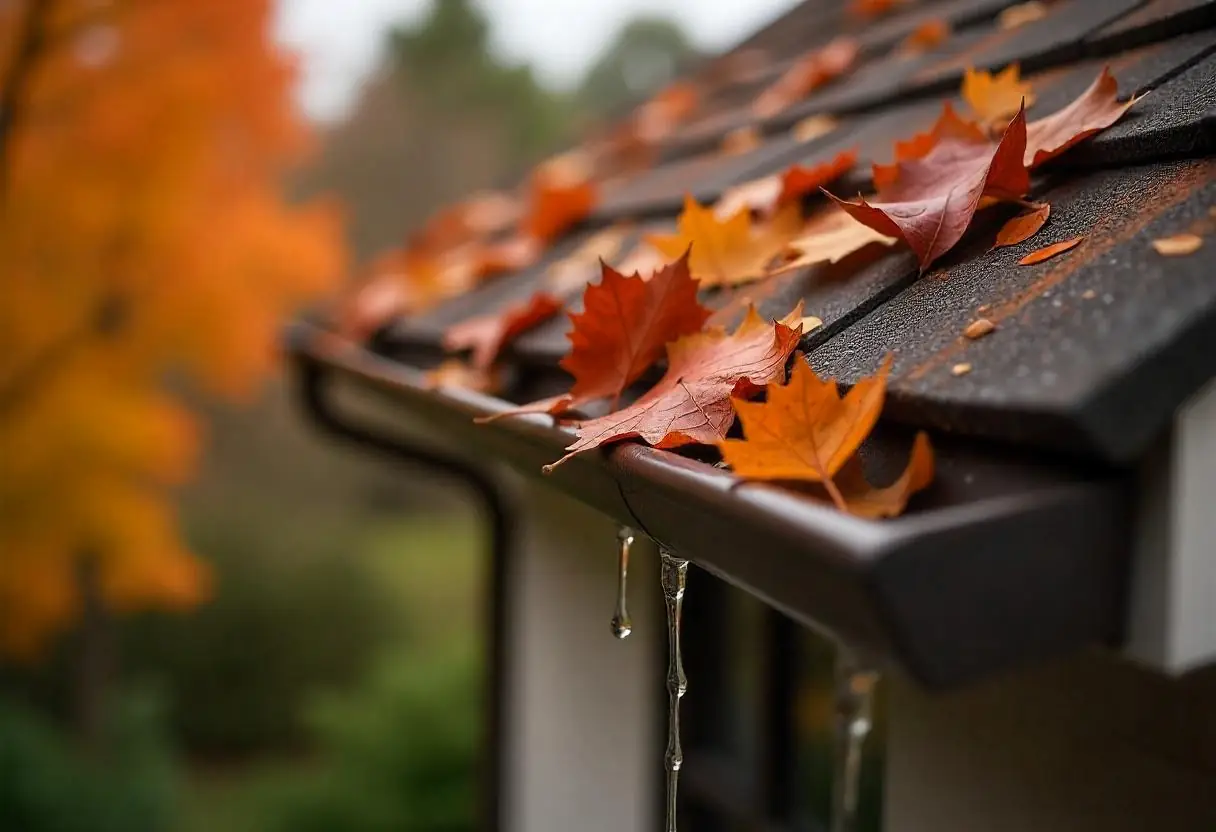
Clogged gutters and water pooling
Neglected gutters filled with leaves and debris prevent proper water drainage. When water overflows, it can seep under shingles and into your home. This trapped moisture creates perfect breeding grounds for mildew and mold. As water pools around your foundation, it may eventually penetrate your basement or crawl space, triggering mold growth from the ground up. During winter, clogged gutters contribute to ice dam formation, further damaging your roof and potentially leading to water backup issues.Hidden mold behind walls from slow leaks
Often overlooked until significant damage occurs, slow leaks behind walls create ideal mold conditions: dark, warm, and humid with zero airflow. Pinhole-sized pipe leaks, poorly sealed windows, or roof leaks can allow water to travel down wall cavities. Mold can develop within walls for months before becoming visible, releasing spores and mycotoxins into your home's air. These hidden infestations frequently originate from roof leaks that travel along rafters before settling in wall spaces, emphasizing the importance of thorough visual inspections and professional assessments.Don’t Let Hidden Roof Leaks Lead to Costly Mold Repairs. Contact My Modern Renovations for Expert Roofing and Water Damage Solutions.How to Inspect and Prevent Mold Growth
Regular inspections serve as your first line of defense against the costly damage of mildew vs mold. By identifying moisture problems early, you can protect both your home and family health.Roof leak detection WV: where to check first
Begin by examining common leak-prone areas in your home. Primarily, check around roof flashings, valleys, and chimneys where 90% of leaks originate. Inspect your ceilings for water stains, discoloration, or warping - these visual cues often indicate water intrusion. If you notice a sudden increase in your water bill with no explanation, this might signal a hidden leak requiring immediate attention. Pay special attention to roof penetrations, damaged flashing, and missing shingles, as these are common entry points for water.Checking attic for moisture and mold
Visit your attic at least twice yearly - ideally in spring and fall. Look for signs of discoloration on sheathing or rafters and check for musty odors or water staining. Pay close attention to insulation; if it feels damp, this creates ideal conditions for mold growth. Properly functioning attic ventilation is essential - your attic should feel breezy, not stuffy. Consider installing a ventilation system to improve airflow and reduce moisture buildup.