
Best Hardwood for Decking: Expert Guide for VA Homeowners
In this article, Virginia homeowners will discover which hardwood decking materials truly withstand the state’s humid subtropical climate and year-round weather extremes. With more than 43 inches of annual rainfall, scorching summers above 90°F, and freezing winters, Virginia demands deck materials with exceptional durability and low maintenance. The best hardwoods for decking - such as<strong> Ipe</strong>, <strong>Cumaru</strong>, <strong>Teak</strong>, and <strong>Garapa</strong> - excel in moisture resistance, UV protection, and dimensional stability through freeze-thaw cycles. Pressure-treated wood often fails within 10–15 years, while composite and PVC decking, though low maintenance, lack the natural warmth and longevity of real hardwood. Dense tropical hardwoods outperform domestic woods like cedar or redwood, offering unmatched resistance to rot, insects, and decay. In this article, we analyze top-performing deck materials for Virginia homes to help you choose the most durable, weather-resistant, and long-lasting hardwood decking for decades of outdoor enjoyment.
What Makes a Hardwood Ideal for Virginia Decks
Hardwood performance in Virginia's climate depends on three measurable characteristics that determine long-term survival and aesthetic retention. The species selection equation reveals clear winners when evaluating
moisture resistance, UV stability, and dimensional behavior under our state's demanding seasonal extremes.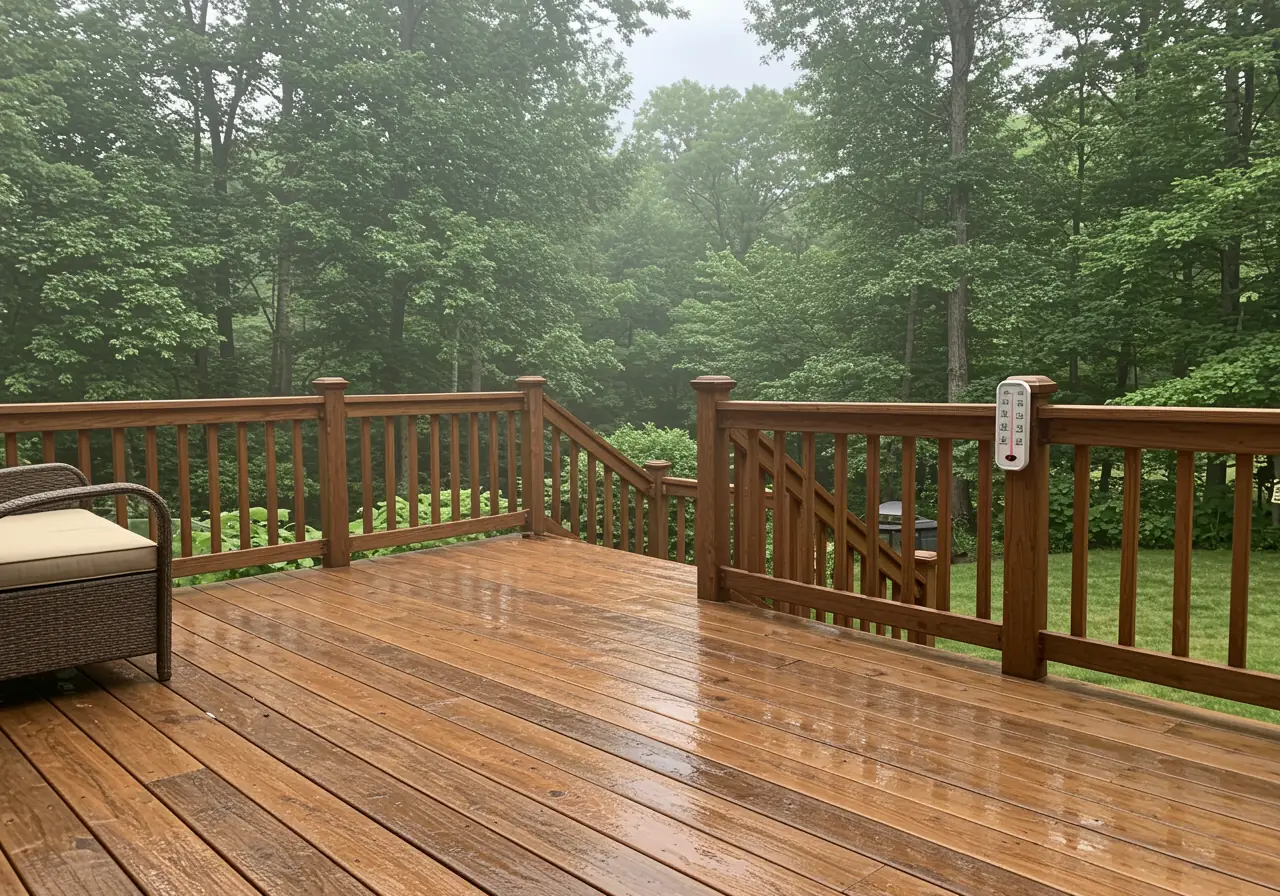
Moisture Resistance and Rot Prevention
Dense tropical hardwoods dominate Virginia deck applications through their cellular architecture - tight grain structures that physically resist water penetration while natural extractives provide chemical defense against decay organisms. These species achieve lasting up to 25 years without treatment precisely because their internal chemistry creates hostile environments for fungi and bacteria that destroy lesser woods.Teak and ipe demonstrate superior moisture management through different mechanisms. Teak's remarkable oil content creates a natural barrier that prevents warping, cracking, or brittleness over time, while ipe's extreme density - approaching 70 pounds per cubic foot - simply excludes moisture through physical resistance rather than chemical defense. The performance difference becomes evident during Virginia's humid summers when inferior species begin showing stress signs that premium hardwoods entirely avoid.Water absorption rates tell the complete story about hardwood suitability. Species with absorption rates below 5% maintain structural integrity throughout Virginia's wet seasons, while higher-absorption woods begin the decay cycle that leads to premature replacement within a decade.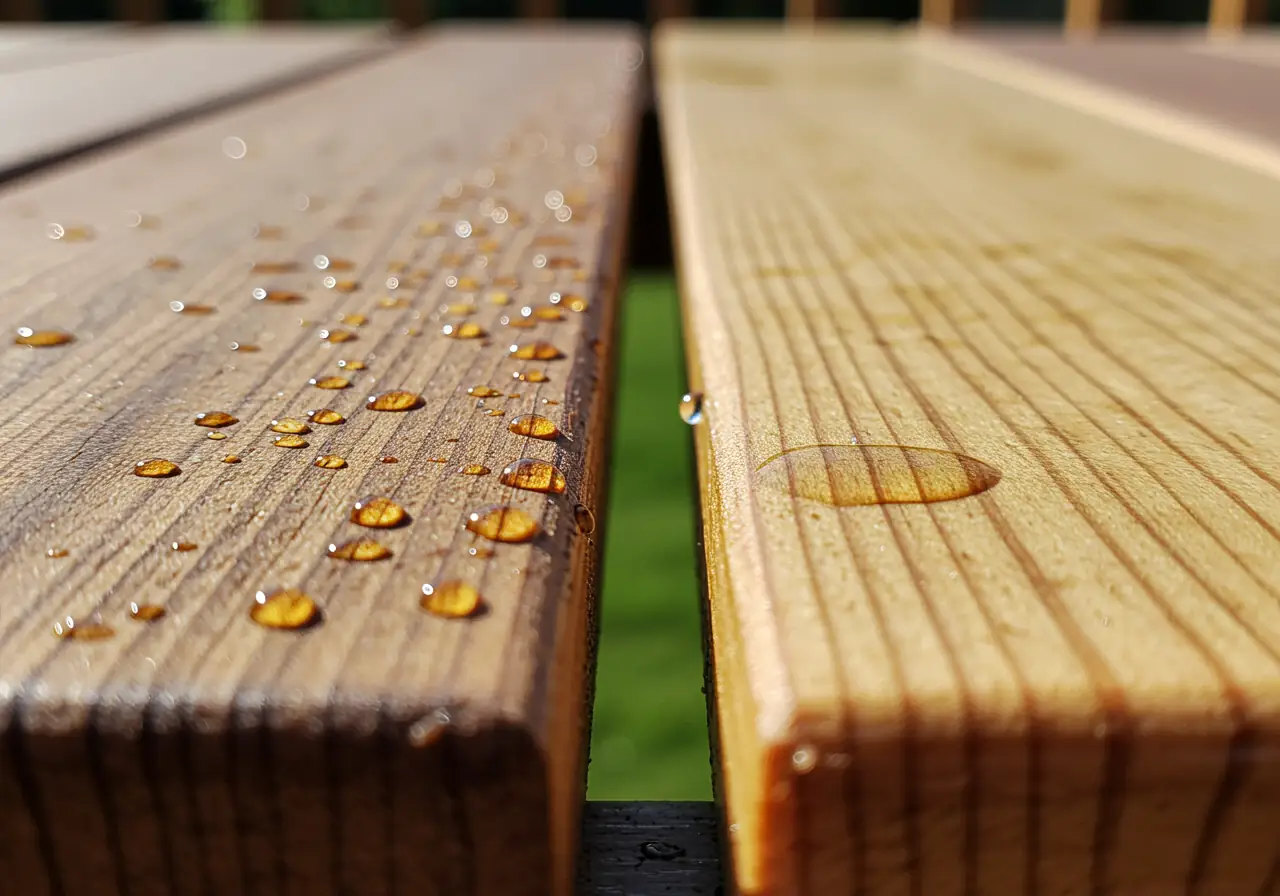
UV and Fade Resistance
Virginia's intense summer sun subjects deck surfaces to UV radiation levels that degrade lignin - the natural polymer responsible for wood's structural strength and color stability. Premium hardwoods resist this photodegradation through higher lignin density and natural chromophore compounds that absorb harmful radiation before cellular damage occurs.Quality hardwood finishes enhance natural resistance through transparent iron oxide pigments that absorb UV radiation while preserving wood's visual character. The maintenance equation becomes straightforward - annual cleaning coupled with resealing every two to three years maintains both appearance and performance. Fungicide-enhanced UV absorbers provide optimal protection for exposed surfaces, particularly important for south-facing deck installations common in Virginia home designs.Unprotected hardwoods follow predictable weathering patterns - rich brown tones fade to silver-gray within 12-18 months of sun exposure. This weathered appearance appeals to some homeowners, though structural protection requires periodic sealer application regardless of aesthetic preferences.
Durability Through Seasonal Changes
Virginia's climate creates a demanding test cycle - thermal expansion during humid summers followed by contraction through drier winter months. Dimensional stability becomes the determining factor between hardwood species that maintain structural integrity versus those that develop checking, cupping, and warping defects.Ipe demonstrates exceptional dimensional stability with movement coefficients near 0.3% - preventing the structural distortion common in other materials. This stability stems from its cellular structure that accommodates moisture fluctuations without significant size changes. The practical difference appears within the first year when inferior species begin showing gaps, raised boards, and surface irregularities that compromise both safety and appearance.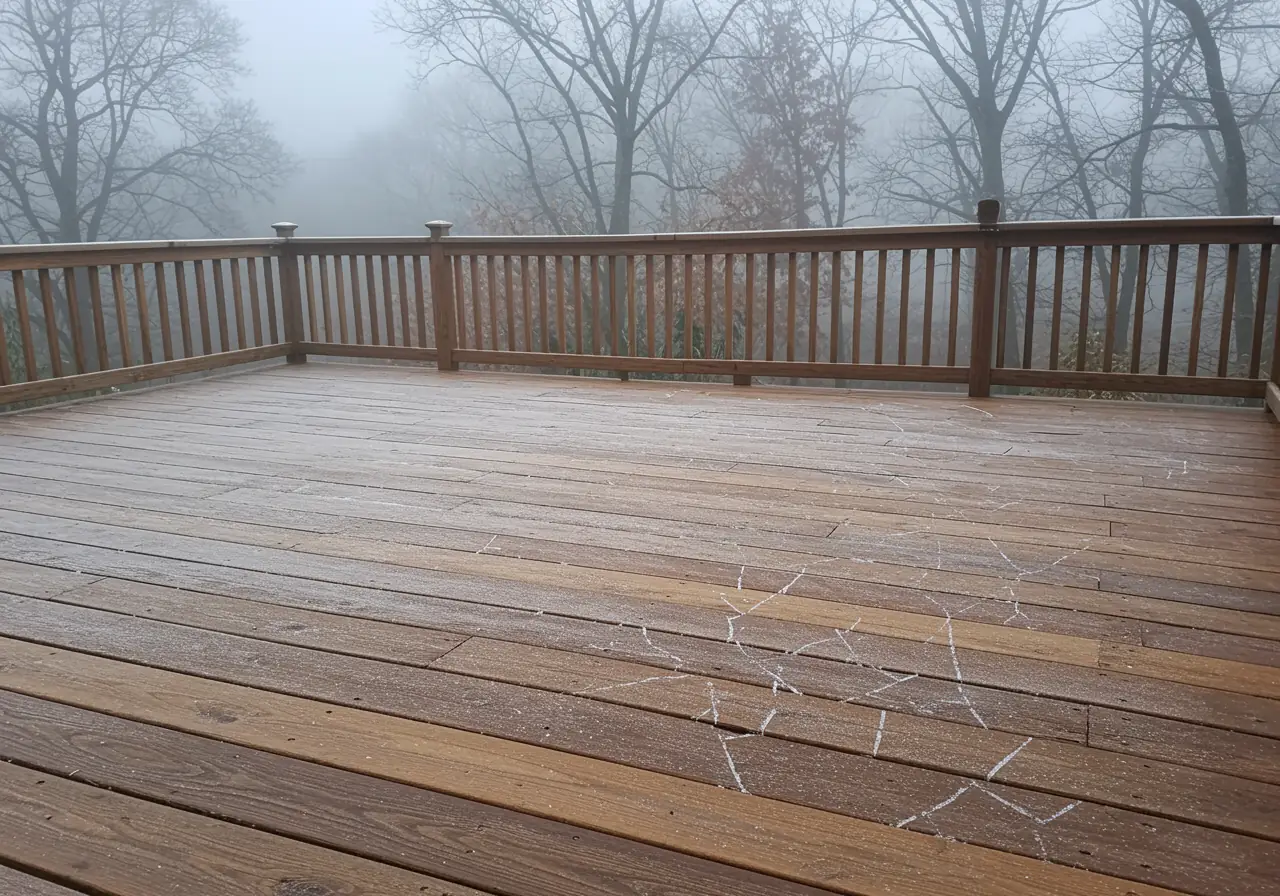
Best Hardwood Choices for Outdoor and Pool Decking
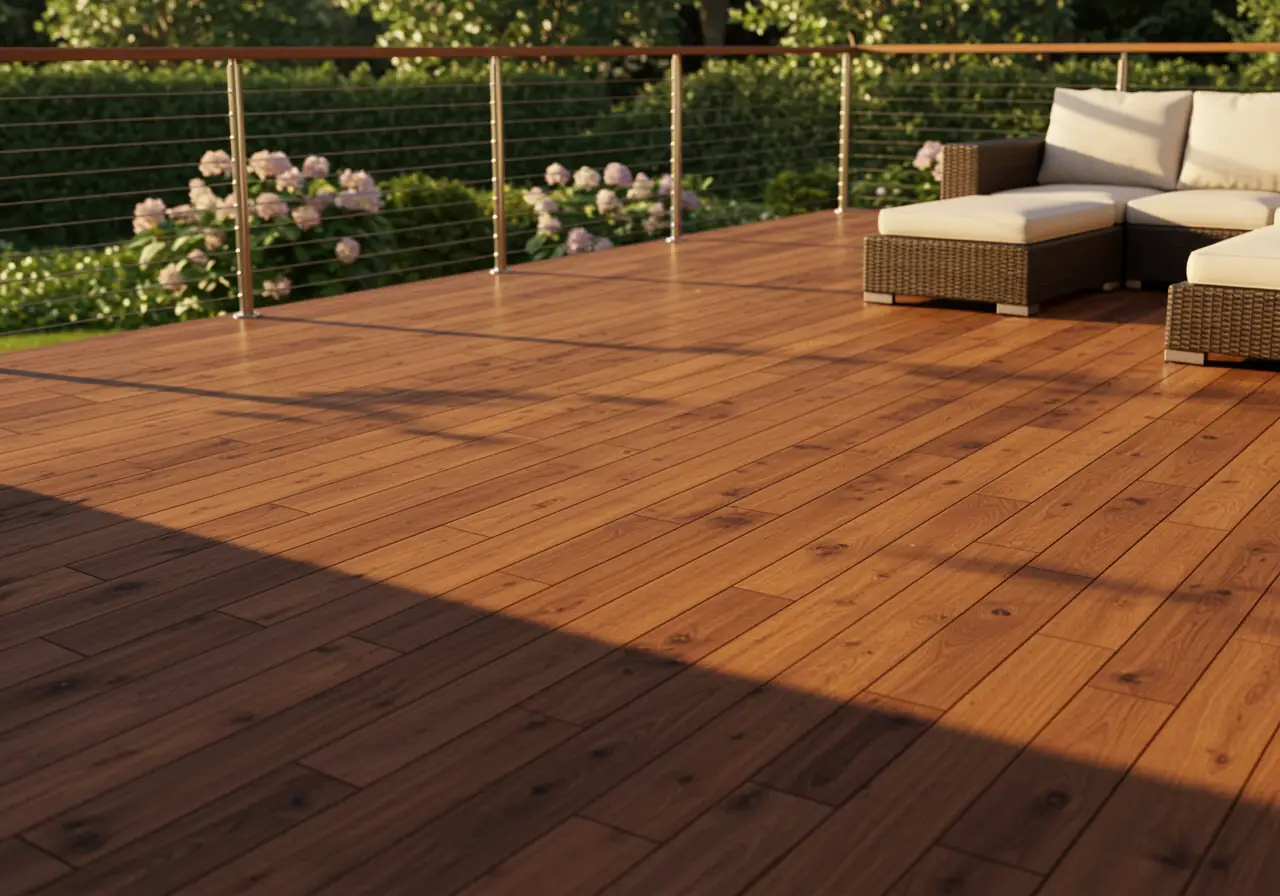
Virginia homeowners selecting hardwood decking face five distinct species that demonstrate measurable performance advantages over conventional alternatives. Each option delivers specific benefits that address different priorities within our state's demanding climate requirements. When evaluating deck material options, these high-density hardwoods stand out as the best decking materials for long-term performance and value.Ipe: The gold standard for outdoor durability
Cumaru: Budget-friendly and tough
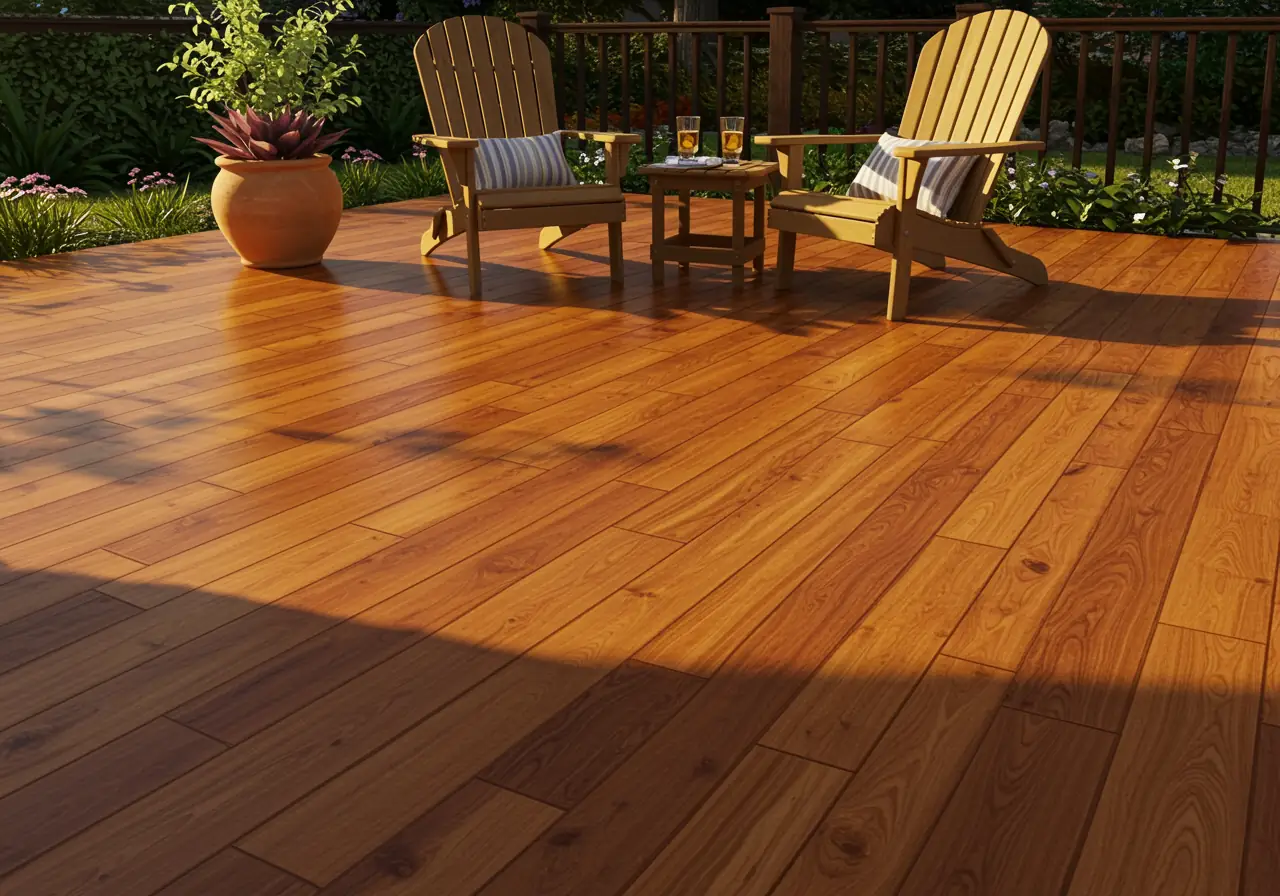
Garapa: Lighter tone with good resistance

Teak: Premium look and performance

Tigerwood: Unique grain and weather resistance
Goncalo Alves creates the most distinctive visual impact through dramatic reddish-brown backgrounds contrasted with black striping patterns that remain stable through weathering. Janka hardness ratings between 1,850-2,160 lbf exceed oak performance while maintaining workability during installation.The 25-50 year service life expectation, combined with natural fire resistance, makes Tigerwood particularly suitable for outdoor kitchen installations increasingly popular in Virginia landscapes. This species offers the optimal balance of unique aesthetics and practical durability for homeowners seeking visual distinction among hardwood decking types.At My Modern Renovations, we help Virginia homeowners choose and install hardwood decks built for strength, style, and longevity. From Ipe to Teak, our expert team delivers lasting quality. Get your free estimate today.Hardwood vs. Low-Maintenance Alternatives
Modern decking alternatives present distinct value propositions that fundamentally alter the maintenance-performance equation for Virginia homeowners. Each manufactured option addresses specific hardwood limitations while introducing different trade-offs that affect long-term ownership costs and satisfaction levels. Understanding these deck material options is crucial for making an informed decision.PVC Decking vs Trex: Synthetic Performance Analysis
PVC decking eliminates organic content entirely, creating absolute immunity to moisture infiltration, insect damage, and biological decay processes—advantages that prove particularly valuable for poolside installations. The material achieves 50+ year lifespans without maintenance interventions, though this durability comes at the cost of higher manufacturing energy consumption compared to composite alternatives. Environmental considerations become significant when evaluating PVC's lower recycled content percentage against composite options that utilize substantially more reclaimed materials.Trex composite systems demonstrate superior sustainability credentials through their 95% recycled material composition, combining reclaimed wood fiber with recycled plastic film to create boards that perform consistently in Virginia's variable conditions. Both synthetic options eliminate the annual staining and sealing cycles that define hardwood ownership. The maintenance time savings alone represents substantial value for homeowners prioritizing convenience over natural material authenticity.Composite Decking: Value Analysis vs Natural Hardwood
Composite decking justifies selection when maintenance burden reduction outweighs initial material costs and aesthetic preferences. Hardwood systems demand annual cleaning, oiling, and periodic refinishing to maintain performance standards, while composite boards require only occasional washing to preserve appearance. This maintenance differential creates significant time and cost advantages over typical 25-30 year composite lifespans.Advanced composite manufacturing now produces remarkably realistic wood grain patterns that satisfy many homeowners' aesthetic requirements. Capped composite boards feature protective shells that resist fading and moisture absorption more effectively than uncapped alternatives, extending color retention throughout the material's service life. The total cost equation favors composite systems when factoring maintenance labor and material expenses - composite decking proves approximately $1,000 cheaper than pressure-treated pine over a decade despite higher upfront investment.Pressure-Treated Lumber: Budget Realities and Performance Limitations
Pressure-treated wood attracts cost-conscious buyers through minimal initial investment but demands continuous financial commitment to achieve acceptable performance levels. The material typically delivers 10-15 years of serviceable life without comprehensive maintenance programs that include annual sanding, sealing, and staining applications. These recurring costs accumulate substantially over time, often exceeding the total investment required for premium alternatives.The economics favor pressure-treated lumber primarily for temporary installations or budget-constrained projects where future upgrades are planned. Many Virginia contractors recommend hybrid approaches that utilize pressure-treated framing lumber for structural support while specifying premium decking materials for surface applications - maximizing cost efficiency without compromising visible quality.Virginia Deck Installation and Maintenance Requirements
Virginia's climate conditions fundamentally alter hardwood deck maintenance requirements - proper care protocols extend premium hardwood lifespans from decades to generations while neglect causes premature failure within the first decade. The maintenance equation centers on three critical factors: protective treatments that shield against UV damage, ventilation systems that prevent moisture accumulation, and professional oversight that identifies problems before they compromise structural integrity.Protective Treatment Schedules for Virginia Conditions
Premium hardwood decking demands high-quality wood sealer containing UV protection within 30 days of installation to establish baseline protection against Virginia's intense summer sun exposure. Dense hardwoods require UV oil applications rather than traditional stains - the penetrating formulation accesses the tight grain structure that surface treatments cannot reach. Water beading versus absorption provides the definitive test for reapplication timing - when water soaks into the wood surface instead of forming protective beads, immediate treatment becomes necessary.Virginia's optimal application window occurs during spring or fall when temperatures stabilize between 60°F and 80°F - avoiding summer heat that causes rapid curing and winter cold that prevents proper penetration. Pre-installation treatment of all four board surfaces prevents the uneven moisture absorption that creates warping, cupping, and premature joint failure. Annual cleaning and protective treatment cycles maintain appearance and performance throughout Virginia's demanding seasonal transitions.Structural Requirements: Ventilation and Drainage
Hardwood deck failure in Virginia's humid climate stems primarily from inadequate ventilation that traps moisture against structural components. Minimum ground clearance of 18" provides essential airflow - installations with restricted clearance experience accelerated decay and insect damage. The ventilation formula requires 50% unrestricted airflow access on at least two sides to prevent the stagnant air conditions that promote mold and rot.Drainage slope calculations demand 1/4" drop per 10 feet of deck length to ensure water movement away from your home's foundation. Board spacing follows precise measurements - 5/32" gaps for kiln-dried decking prevent expansion problems while allowing debris to fall through rather than accumulating on surfaces. Ventilation deficiencies cause cupping patterns that indicate moisture imbalance - early intervention prevents the structural compromise that necessitates complete deck replacement.


