
Best Siding for Harsh WV Winters: 3 Durable Picks
West Virginia winters are tough—snow, ice, and freezing rain can seriously damage your home's exterior. That’s why choosing the right siding isn’t just about looks—it’s about protection. This guide breaks down three durable siding options that can stand up to the state's harsh winter conditions. Whether you're dealing with freeze-thaw cycles, high winds, or heavy snow, the right siding can help prevent long-term damage and keep your home safe and strong through the seasons.
Fiber Cement Siding: The Ultimate Weather Resistant Siding for West Virginia Homes
For West Virginia homeowners battling severe winter conditions, fiber cement siding stands as an exceptional defense against the elements. This innovative engineered siding combines the strength of cement with the flexibility of fiber reinforcement, creating a protective shield that excels where other siding materials fail. Unlike traditional options, fiber cement siding offers remarkable resilience against the dramatic temperature fluctuations common throughout the Mountain State.
Why Fiber Cement Is the Most Durable Siding for WV's Freeze-Thaw Cycles
West Virginia's climate presents unique challenges to residential exteriors. Throughout winter, temperatures frequently oscillate between freezing nights and warmer days, creating destructive freeze-thaw cycles that can devastate conventional siding materials. These cycles cause moisture to penetrate, freeze, expand, and ultimately damage many types of siding.
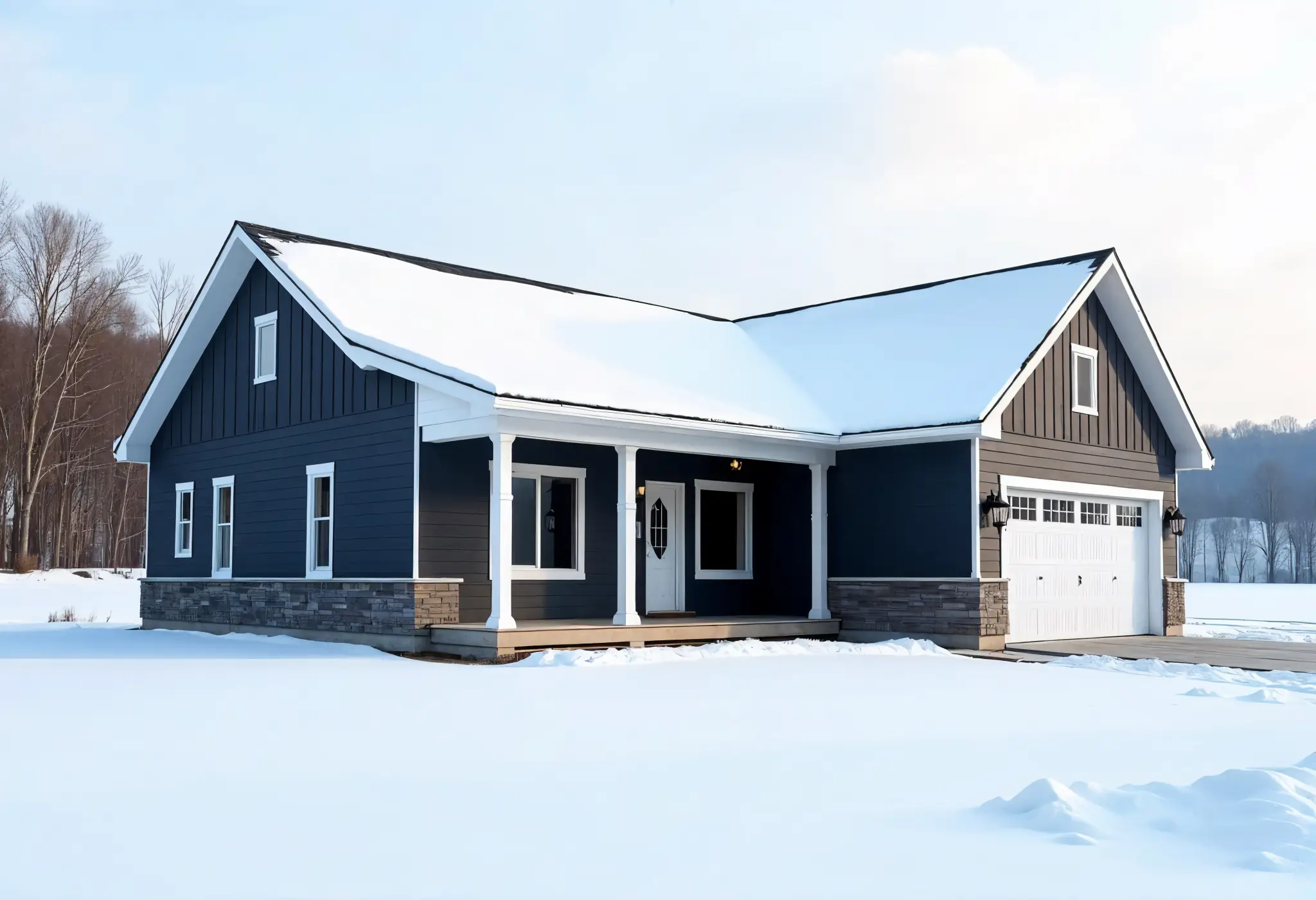
James Hardie Fiber Cement: Engineered for Extreme Weather Performance
James Hardie fiber cement siding is a top choice for West Virginia homes facing harsh winters, strong winds, and fluctuating temperatures. Designed through the advanced HardieZone® System, this siding is tailored for specific climates—HZ5® products are engineered to resist cracking, shrinking, and swelling caused by freezing rain, snow, and constant freeze-thaw cycles common in WV. Unlike generic siding, James Hardie offers climate-specific durability and proven protection. It’s also fire-resistant, non-combustible, and won’t ignite, making it ideal for rural and wildfire-prone areas. Certified for High Velocity Hurricane Zones, it holds up against powerful storms and wind gusts. The ColorPlus® Technology ensures UV resistance and vibrant color retention, perfect for high-elevation mountain homes in West Virginia. Compared to vinyl siding, Hardie board offers unmatched weather resistance, curb appeal, and long-term value. It’s one of the best siding options for West Virginia’s extreme weather.Fiber Cement Siding Installation Considerations for Mountain State Homes
Proper installation is key to unlocking the full weather-resistant power of fiber cement siding—especially in West Virginia’s extreme mountain conditions. Without expert installation, even the best siding can fail. Certified contractors follow James Hardie’s exact specifications for fastening, overlapping, and sealing, ensuring panels stay secure and moisture stays out. Flashing around windows and doors is carefully integrated with weather barrier systems to stop water intrusion. For homes in snowy regions, proper install methods help siding handle heavy snow loads without buckling or letting ice build up behind panels. Pairing fiber cement with products like Hardie™ Weather Barrier adds another layer of protection against moisture, mildew, and energy loss. Installers also adjust for thermal expansion and seasonal changes, preventing cracks and gaps over time. With correct installation, fiber cement siding delivers long-lasting durability and maximum protection against West Virginia’s snow, rain, and freeze-thaw cycles.
Maintenance Requirements in High-Snowfall WV Regions
Fiber cement siding is a top choice for West Virginia homeowners thanks to its low maintenance and long-lasting performance. Unlike wood siding that needs regular staining or repainting, fiber cement keeps its look with minimal effort—ideal for mountain areas where access is tough. In snowy regions, upkeep is simple: just inspect yearly and rinse with a pressure washer to remove dirt and debris. After storms, check for fallen branches and trim back vegetation to protect the finish. This siding also resists pests like termites and woodpeckers, cutting out the need for treatments. Even under harsh winter conditions, fiber cement won’t warp, fade, or crack. Its color stays strong in high-elevation UV exposure, reducing the need to repaint—usually only once every 10–15 years. Plus, it’s tough against hail and falling debris. If damage does happen, you can replace single panels without tearing into the whole wall. It’s a durable, hassle-free solution for weathering West Virginia’s roughest seasons.Insulated Vinyl Siding: Affordable Protection Against West Virginia Winters
Balancing budget constraints with performance needs, insulated vinyl siding offers West Virginia homeowners an affordable defense against harsh mountain winters. This enhanced version of traditional vinyl includes a layer of built-in insulation that substantially improves thermal performance and structural integrity—making it particularly valuable in regions experiencing heavy snowfall and prolonged freezing temperatures.
How Modern Vinyl Siding Stands Up to WV Snow Loads
Modern insulated vinyl siding is built to handle West Virginia’s rough winters far better than older vinyl products. With freezing temps, heavy snow, and intense winds, homes need a siding that won’t crack or fail. Premium insulated vinyl includes a layer of rigid EPS foam bonded to each panel, adding strength and structure. This design helps it resist buckling under snow loads and damage from freeze-thaw cycles. Advanced polymers also keep the material flexible in subzero temperatures. For high-elevation homes, high-impact resistant vinyl is recommended for added durability. The foam backing boosts impact resistance, shielding against hail, falling ice, and even snow removal equipment. Unlike wood siding, insulated vinyl repels moisture, stopping mold and rot during spring thaws. It also holds up against strong winds, a key benefit for mountain homes exposed to gusty conditions. With enhanced structure and moisture resistance, insulated vinyl is a practical choice for homeowners facing West Virginia’s unpredictable winter weather.Energy Efficiency Benefits During Long Mountain Winters

Vinyl Siding Types Best Suited for Different WV Regions

- Insulated clapboard siding provides a traditional appearance while delivering modern thermal performance—ideal for historic neighborhoods and homes with classic architectural styles.
- Insulated board and batten creates a distinctive vertical pattern that complements mountain and rustic home designs while maintaining excellent thermal properties.
- Extra-wide profile insulated siding produces bold shadow lines that enhance visual appeal on larger homes while increasing panel rigidity.

Installation Best Practices for Maximum Weather Resistance
Proper installation is critical to ensure insulated vinyl siding performs well in West Virginia’s harsh winters. Without it, even high-quality siding can warp, buckle, or detach due to cold and wind. Certified installers understand how to allow for expansion and contraction, use correct nail depth, and apply flashing and house wrap to prevent water intrusion. Key steps include repairing wall damage, sealing barriers, and installing proper drainage planes. Ventilation behind the siding helps stop condensation, especially in mountain homes with extreme temperature swings. Corner details, trim, and J-channels must be tightly integrated to block snow and rain. Installing during spring or fall helps materials acclimate and perform better year-round. When done right, insulated vinyl siding offers solid weather resistance, energy efficiency, and long-term value—at a more affordable cost than fiber cement. For WV families balancing budget and durability, it’s a smart, low-maintenance choice for years of reliable protection.Brick Siding: Traditional Exterior Siding Option with Exceptional Cold Weather Durability
Brick siding has endured as a premier choice for West Virginia homes facing extreme winter conditions for centuries. Among the best siding for cold climates, brick offers exceptional durability against freezing temperatures, strong winds, and heavy snow accumulation. Its dense composition creates natural thermal resistance that helps maintain comfortable indoor temperatures throughout West Virginia's harsh winters.
Thermal Mass Advantages During WV Temperature Swings
The science behind brick's exceptional cold-weather performance lies in its thermal mass properties. Simply put, thermal mass is the ability of a material to absorb, store, and gradually release heat. This characteristic creates a natural temperature regulation system that works exceptionally well in West Virginia's variable climate.In winter, brick walls absorb thermal heat during daylight hours, storing this warmth and slowly releasing it after the sun sets. This natural heat retention helps maintain more consistent indoor temperatures despite external fluctuations. Studies show that brick walls can reduce heat loss to the outside by approximately 55% in winter—substantially outperforming alternatives like EIFS (33%), vinyl (18%), and fiber cement (11%).The thermal battery effect becomes particularly valuable in mountainous West Virginia regions where day-night temperature swings often exceed 20 degrees. As temperatures drop overnight, the stored heat gradually radiates inward, reducing heating system demand during expensive peak hours.For maximum thermal mass benefit, proper integration with other passive design elements is essential. Combining brick's thermal properties with appropriate insulation, orientation, and glazing maximizes energy efficiency in West Virginia's demanding climate.
Brick Veneer vs. Full Brick Construction for Snow and Ice Resistance
When choosing siding for cold climates like West Virginia, it’s important to understand the difference between full brick construction and brick veneer. Both options offer strong weather resistance, but their structure and performance vary. Full brick construction, or solid masonry, uses multiple bonded layers of brick to form load-bearing walls. Its heavy mass helps block water and withstand freezing temps, high winds, and heavy snow loads. Brick veneer, on the other hand, features a single brick layer over a framed wall, with insulation in between. While not structural, veneer provides excellent protection and improved energy efficiency. For snow and ice, full brick offers better impact resistance against falling branches and ice. Veneer excels in thermal performance and managing moisture with its built-in air gap. Both systems perform well in winter, but each has different strengths, making the choice dependent on structural needs, energy goals, and long-term durability preferences.Maintenance Requirements After Heavy Winter Storms
Comparatively, brick siding demands minimal maintenance even in West Virginia's harshest winter conditions. Nevertheless, strategic post-storm attention helps maintain optimal performance throughout decades of service.After significant winter storms, inspect mortar joints for any signs of crumbling or deterioration. Snow accumulation against brick walls rarely damages the brick itself, yet prolonged exposure to melting snow can occasionally affect mortar integrity, especially in older structures.
- Keep brick walkways and areas around foundations clear of anything that might trap moisture, including yard debris and woodpiles
- Avoid stacking items against exterior brick walls to prevent moisture entrapment
- Use magnesium chloride rather than rock salt for de-icing near brick structures to prevent mortar deterioration
- Inspect for and trim any tree branches damaged by ice storms that might threaten the brick exterior


