How Long Fiber Cement Siding Lasts in WV: Expert Tips
If you're wondering how long fiber cement siding lasts in West Virginia, the answer might surprise you. Hardie Board siding - one of the most trusted fiber cement options - can last 50 years or more, making it one of the most durable exterior siding choices for homes in this region. It easily outlasts vinyl siding by decades, offering superior protection against West Virginia’s humidity, storms, and seasonal temperature swings. Backed by a 30-year, non-prorated limited warranty and factory-applied paint finishes that can last up to 50 years, Hardie Board siding is built to endure. Even better, it can be repainted without losing its clean, finished look. In this article, we’ll break down how long HardiePlank siding really lasts, what can affect its performance over time, and why so many West Virginia homeowners choose it as a reliable, low-maintenance, and long-term solution for their home’s exterior.
What is Fiber Cement Siding and Why It's Popular
Fiber cement siding stands out as a remarkable exterior cladding solution that combines durability with aesthetic appeal. This innovative building material consists of a mixture of wood pulp, cement, sand, and other additives that create a remarkably sturdy yet versatile product for home exteriors.
Material composition and design options
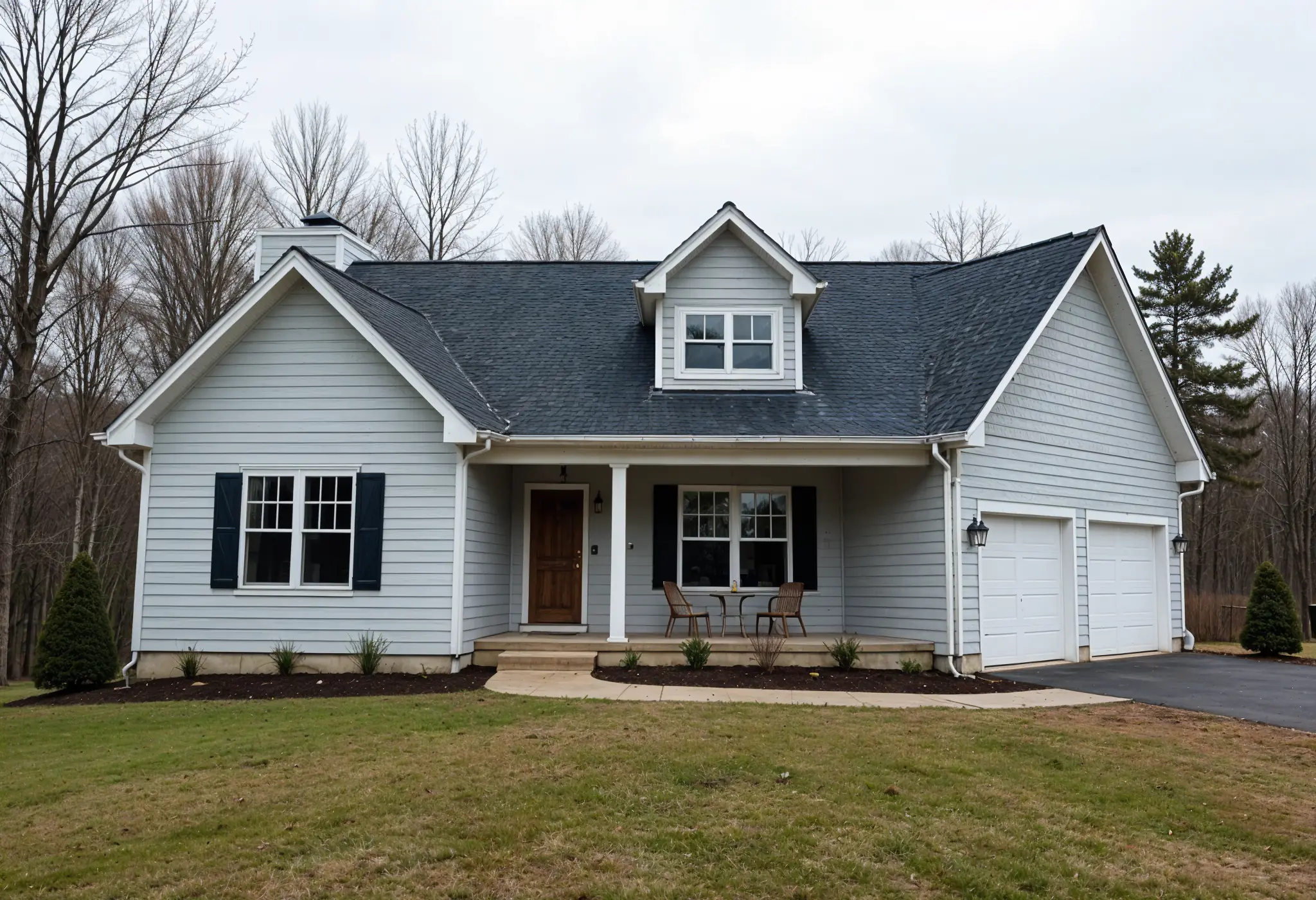
The magic of Hardie fiber cement lies in its unique composition. Portland cement, silica sand, cellulose fibers, and water are blended together and then cured to create planks that offer exceptional strength. These materials work together to resist fire, insects, and severe weather conditions while maintaining their structural integrity.Design flexibility remains one of the most compelling aspects of fiber cement board. You can choose from:- Lap siding (horizontal installation)
- Board-and-batten (vertical siding)
- Shingles and shake styles
- Hardie Panel siding for contemporary looks
Common brands like James Hardie
The fiber cement siding market features several manufacturers, though James Hardie dominates as the industry pioneer and leader. Their HardiePlank siding has become nearly synonymous with fiber cement siding itself. Other notable brands include:- Allura (formerly CertainTeed Weatherboards)
- Nichiha
- GAF WeatherSide
- MaxiTile
Why homeowners choose fiber cement siding
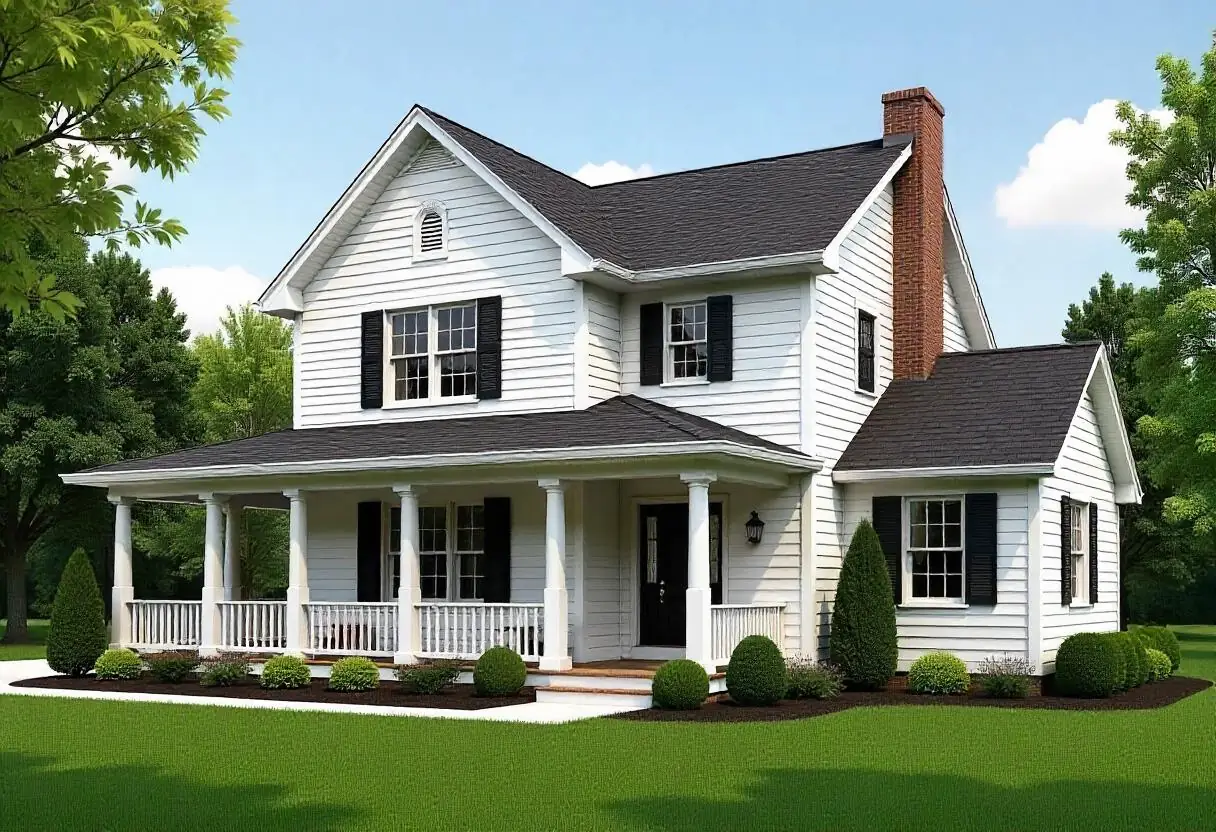
Homeowners increasingly select Hardie Plank siding for numerous practical reasons beyond its impressive lifespan. First and foremost, the material offers extraordinary durability against elements that typically damage other sidings. Unlike vinyl, it won't crack or warp in extreme temperatures. Unlike engineered wood, it resists rot, termites, and fungal decay.Another significant advantage is fire resistance - fiber cement doesn't ignite or fuel flames, providing crucial protection during wildfires. Furthermore, this siding withstands impact from hail and wind-driven debris far better than alternatives, making it an excellent choice for areas prone to high-impact wind.Maintenance requirements remain minimal compared to wood siding, typically needing only occasional cleaning and much less frequent repainting. This combination of performance and low upkeep makes Hardie Board particularly attractive for busy homeowners seeking long-term value and pest resistance.Protect your home with durable, weather-resistant siding. Contact My Modern Renovations today for a free siding inspection and upgrade estimate - built to last, styled to impress.How Long Does Fiber Cement Siding Last?
Homeowners frequently ask about longevity when considering exterior options. HardiePlank siding delivers impressive durability that few alternatives can match.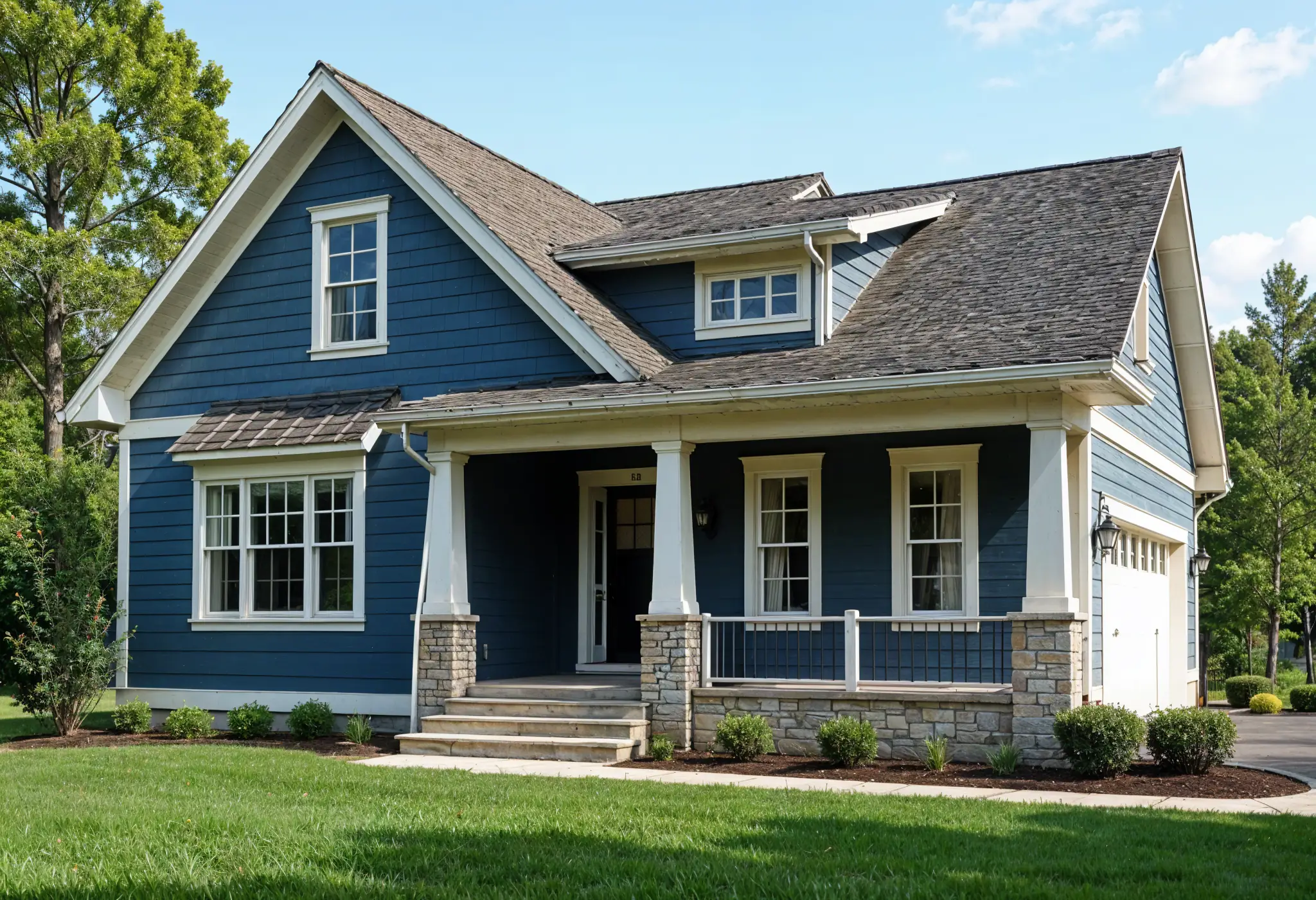
Typical lifespan: 30 to 50+ years
The numbers speak for themselves - fiber cement siding typically lasts between 50 to 100 years with proper care and maintenance. This exceptional durability significantly outperforms traditional wood siding, which generally needs replacement after 15-40 years.In optimal conditions, Hardie Board can even reach the century mark, making it a once-in-a-lifetime investment for many property owners. Independent tests consistently show that quality fiber cement products can survive 50-60 years or more. Essentially, this siding option outlasts wood alternatives by two to three times, offering substantial long-term value despite the higher initial investment.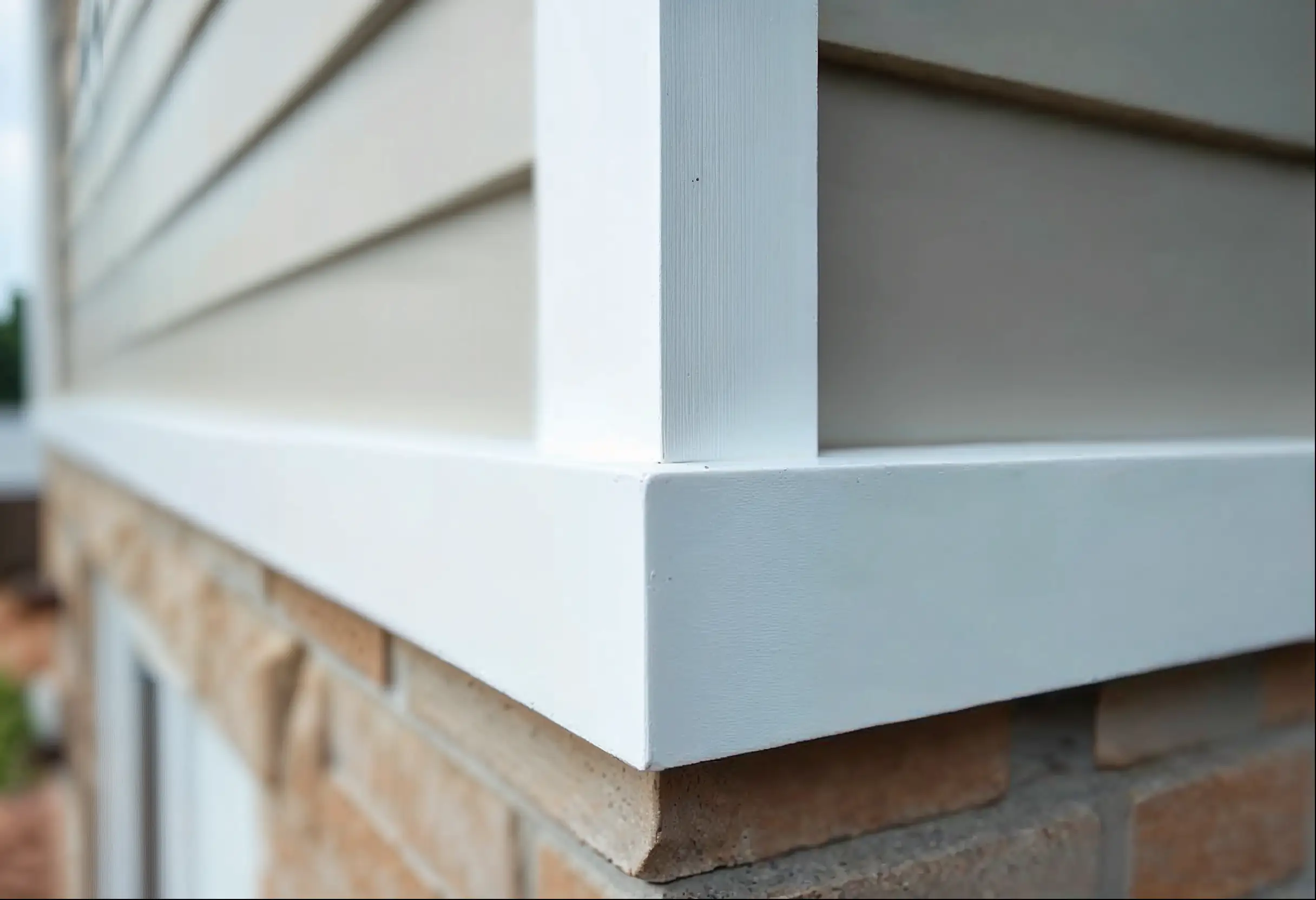
James Hardie siding warranty explained
James Hardie, the industry leader, backs their confidence with a 30-year, non-prorated limited warranty. Unlike many warranties that decrease in value over time, Hardie's coverage remains at 100% throughout the entire warranty period.The warranty specifically covers manufacturing defects, ensuring the siding will resist damage from hail and termite attacks. Additionally, their ColorPlus Technology finishes include a separate 15-year limited warranty covering paint and labor, protecting against peeling, cracking, and chipping.Notably, these warranties are transferable to subsequent homeowners, enhancing your property's resale value. Certainly, while warranties provide peace of mind, proper installation remains critical for activating full protection and meeting industry standards.Real-world performance after 10 years
After a decade of service, properly installed Hardie Plank siding typically shows minimal signs of wear. According to field observations, the critical factor determining real-world longevity is installation quality. Primarily, incorrect installation techniques or using incompatible materials can significantly reduce performance.Professional installation ensures proper spacing, fastening, and sealing - all crucial for maximizing lifespan. For instance, using low-quality caulk with a 5-year lifespan instead of manufacturer-recommended materials compromises the entire system. This is why installing Hardie siding should always be done by experienced professionals who understand Hardie siding details and best practices.Routine maintenance also plays a vital role in long-term performance. Simply washing the siding once or twice yearly prevents dirt buildup, alongside periodic inspections to catch minor issues before they escalate.Protect your home with durable, weather-resistant siding. Contact My Modern Renovations today for a free siding inspection and upgrade estimate - built to last, styled to impress.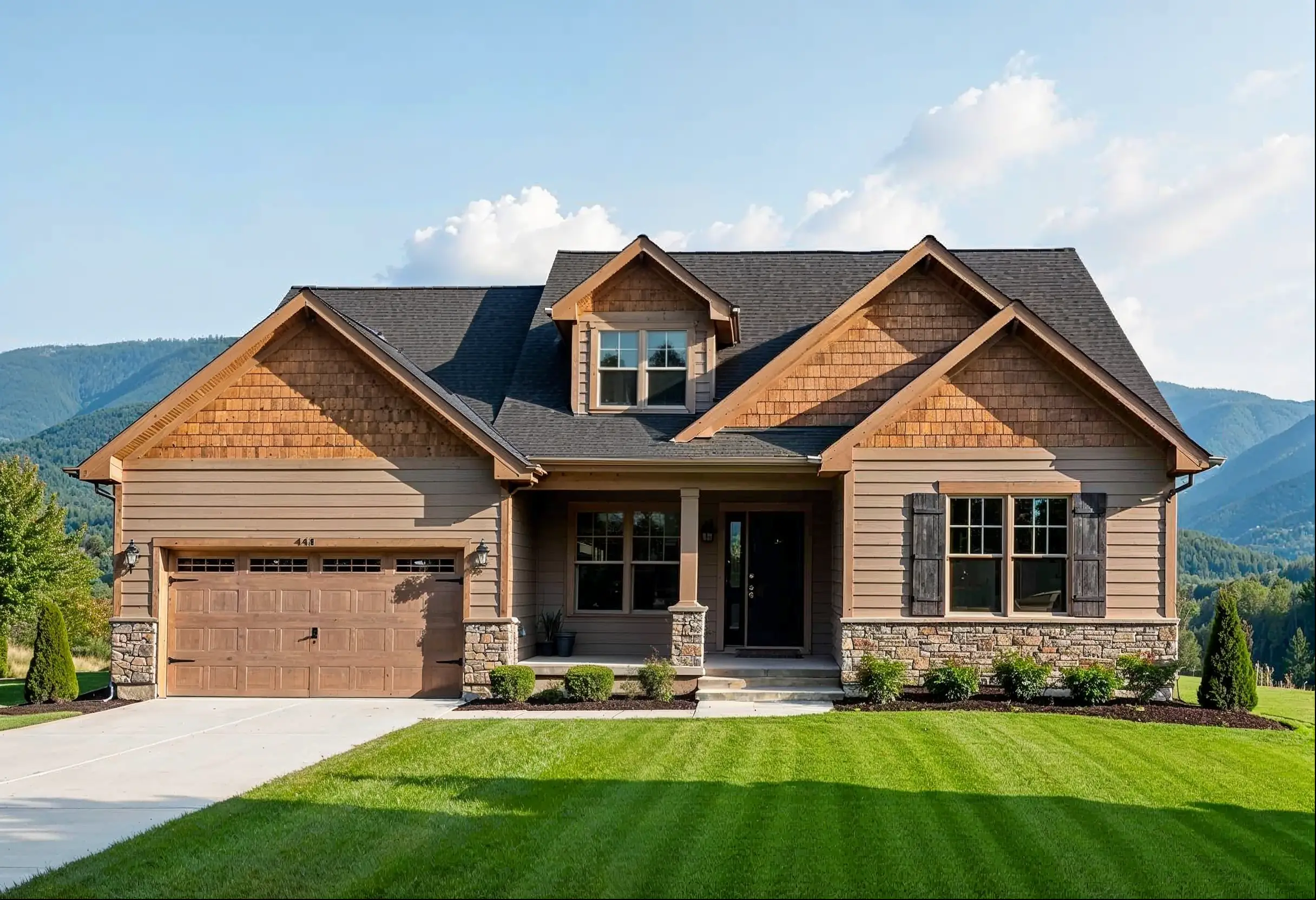
What Affects the Lifespan of Cement Siding?
Several critical factors determine whether your Hardie Board siding will reach its full potential lifespan or fall short of expectations. Understanding these elements helps you maximize your investment.Importance of proper installation
Professional installation represents the foundation of long-lasting fiber cement siding. Improper techniques can lead to moisture infiltration and reduced longevity, potentially voiding manufacturer warranties. Professional installers have the specialized tools, skills, and experience necessary for a flawless finish when installing lap siding.Proper spacing between panels, correct fastening methods, and precise flashing installation are critical installation details. Fasteners must penetrate at least 1¼ inches into framing, and maintaining proper clearance from grade and other surfaces is essential. Using the right tools, such as a gecko gauge for consistent spacing and fiber cement shears for clean cuts, can make a significant difference in the installation quality.Impact of climate and weather exposure
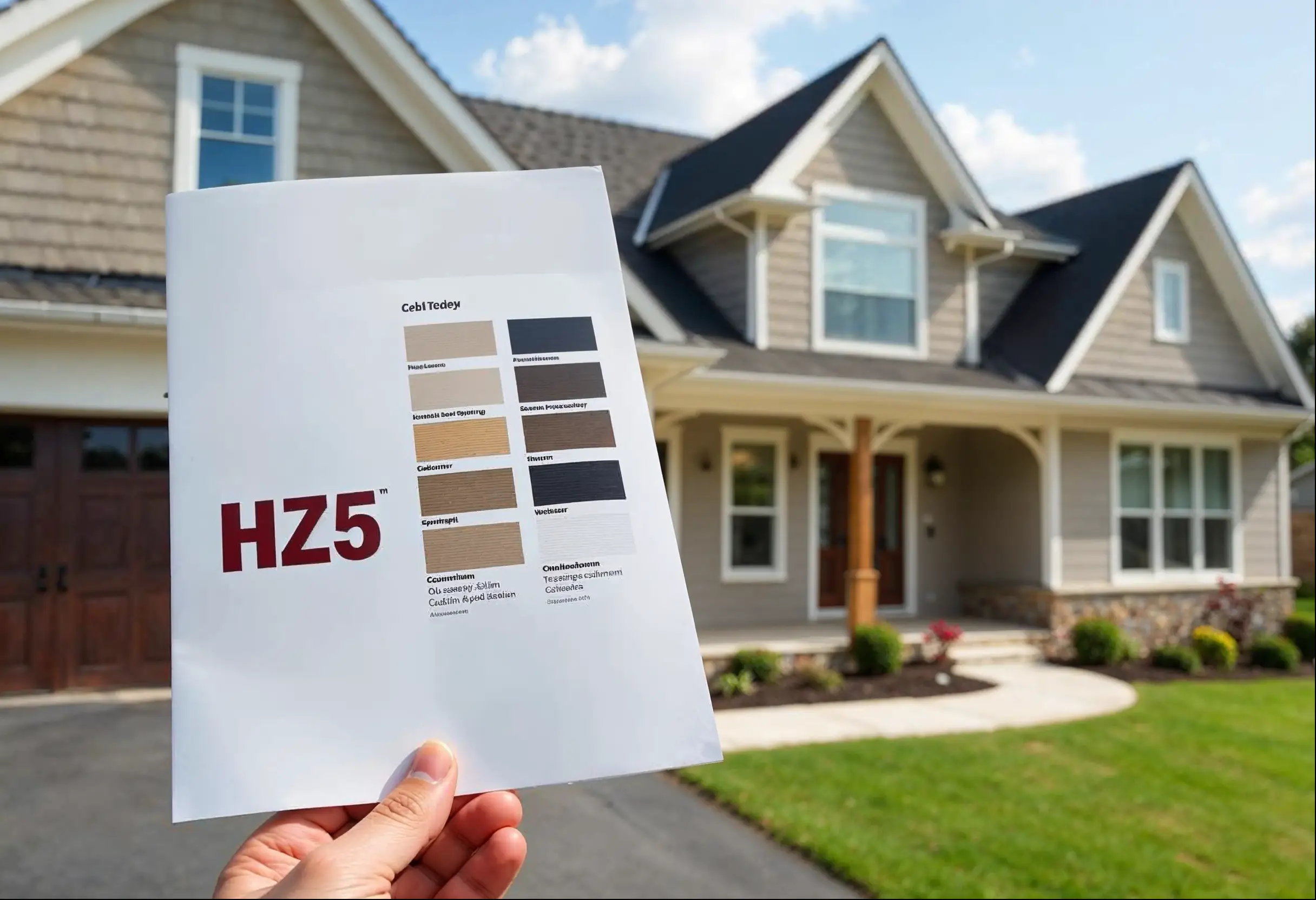
The environment surrounding your home plays a decisive role in siding performance. James Hardie products are specifically Engineered for Climate® with their HardieZone® system, ensuring optimum protection based on your region's weather patterns. The James Hardie HZ5 product line, for example, is specifically designed for areas that experience freezing conditions.Quality fiber cement withstands extreme conditions including hurricanes, heavy rainfall, strong winds, blistering heat, UV exposure, humidity, snow, and freezing temperatures. This weather resistance explains why Hardie Board siding is FEMA-certified as flood-resistant and rated for High Velocity Hurricane Zones by Miami-Dade County Florida.Maintenance needs: repainting and caulking
Regular maintenance significantly extends siding lifespan. Annual cleaning with a garden hose or pressure washer removes dirt and prevents buildup. Most fiber cement requires repainting every 10-15 years, as paint typically has a shorter lifespan than the siding itself.Proper caulking around windows, doors, and trim creates crucial moisture barriers. Use elastomeric joint sealant complying with ASTM C920 Grade NS or latex joint sealant complying with ASTM C834. Importantly, never caulk horizontal flashing areas or where siding inserts into J-channels. Regular caulking and sealing maintenance can prevent major issues down the line.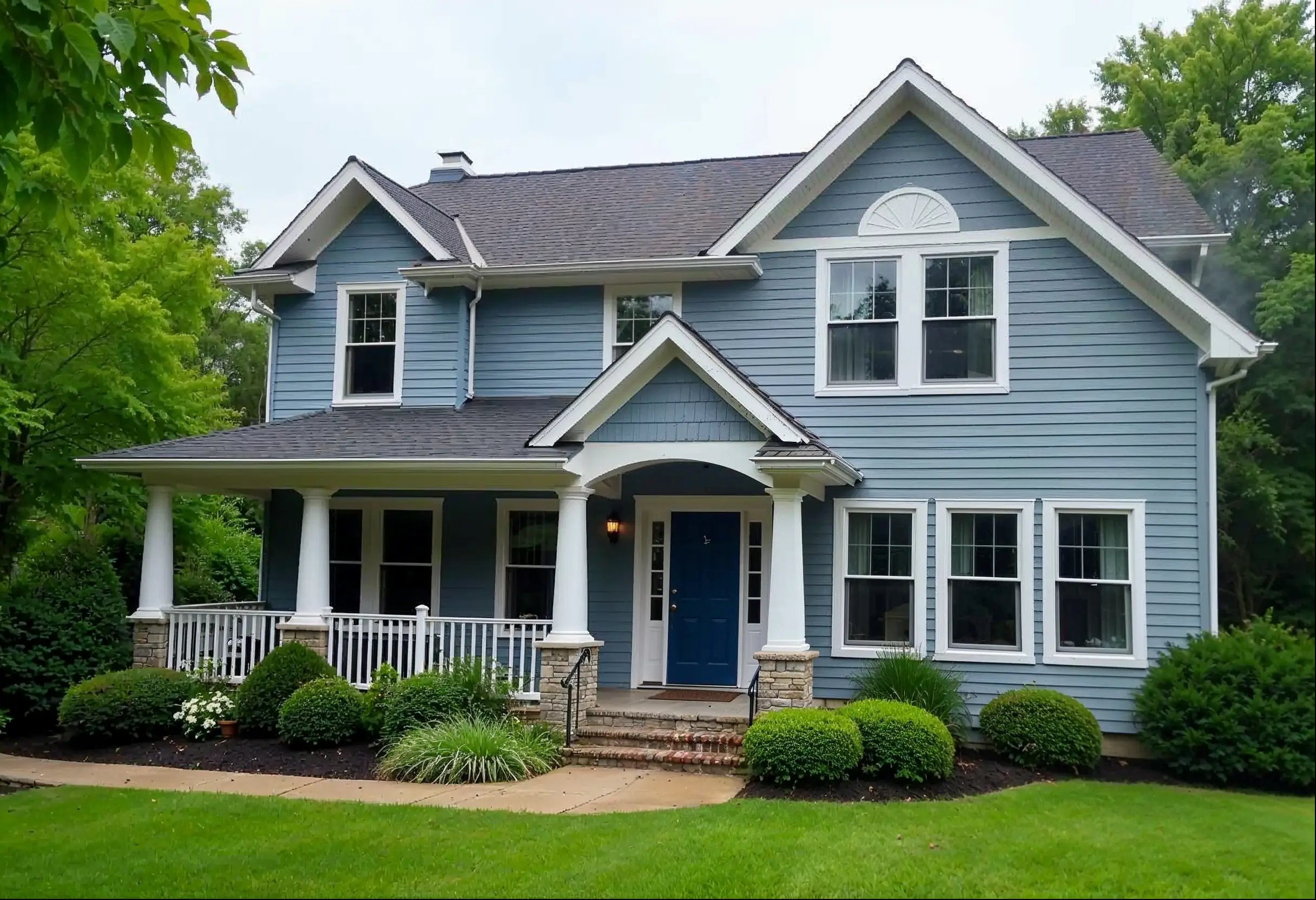
Use of correct materials during installation
Selecting appropriate complementary materials proves vital for system performance. Use only 100% acrylic latex paint as recommended by manufacturers. For fastening, corrosion-resistant stainless steel or hot-dipped galvanized nails or screws are mandatory. Proper nailing techniques, such as blind nailing for lap siding installation, can significantly impact the siding's longevity and performance.Common Problems with Fiber Cement Siding
While Hardie Board siding offers impressive durability, acknowledging its potential drawbacks ensures realistic expectations about its performance.Moisture absorption and rot risk
Despite widespread claims of complete rot resistance, fiber cement siding isn't entirely waterproof. Although the material sheds water effectively, it can absorb small amounts of moisture, especially at vulnerable points like cut edges, seams, and unsealed joints. This absorption may lead to surface discoloration, premature deterioration, or even delamination in rare cases.The key to preventing moisture-related issues lies in proper edge sealing and the use of a water-resistive barrier. Unsealed cuts represent one of the most common sources of water intrusion, as the interior material is more porous than factory-finished surfaces. Consequently, proper installation remains crucial for minimizing these risks.