
Energy-Smart Siding Colors Guide for Virginia Homes
Energy-smart siding colors can play a powerful role in lowering utility bills and boosting energy efficiency for Virginia homes. In Virginia’s hot, humid summers and fluctuating climate, the siding color you choose directly impacts heat absorption, indoor comfort, and cooling costs. Light, reflective siding colors such as beige, ivory, greige, and soft blues deflect solar heat, reducing air conditioning use, while dark siding absorbs up to 90% of the sun’s energy, driving bills higher. Beyond color, siding material matters: fiber cement siding, like James Hardie, delivers long-lasting durability and insulation when paired with a thermal wrap or rigid foam. Insulated vinyl siding goes further, offering R-values of 2.0–3.0 compared to standard vinyl at 0.6, creating a stronger thermal barrier that cuts energy loss. For Virginia homeowners, James Hardie siding and insulated vinyl remain top choices for energy savings, durability, and curb appeal. <strong >This guide will help you explore the science behind siding colors, the best energy-efficient siding options for Virginia’s climate, and how smart choices can reduce cooling bills while keeping your home stylish and comfortable year-round.</strong>
The Science Behind Siding Colors and Heat
The color of your home's exterior does more than just enhance curb appeal – it fundamentally affects how your house interacts with solar energy. Understanding this relationship can lead to substantial utility bill savings through proper siding color selection.
How color affects heat absorption
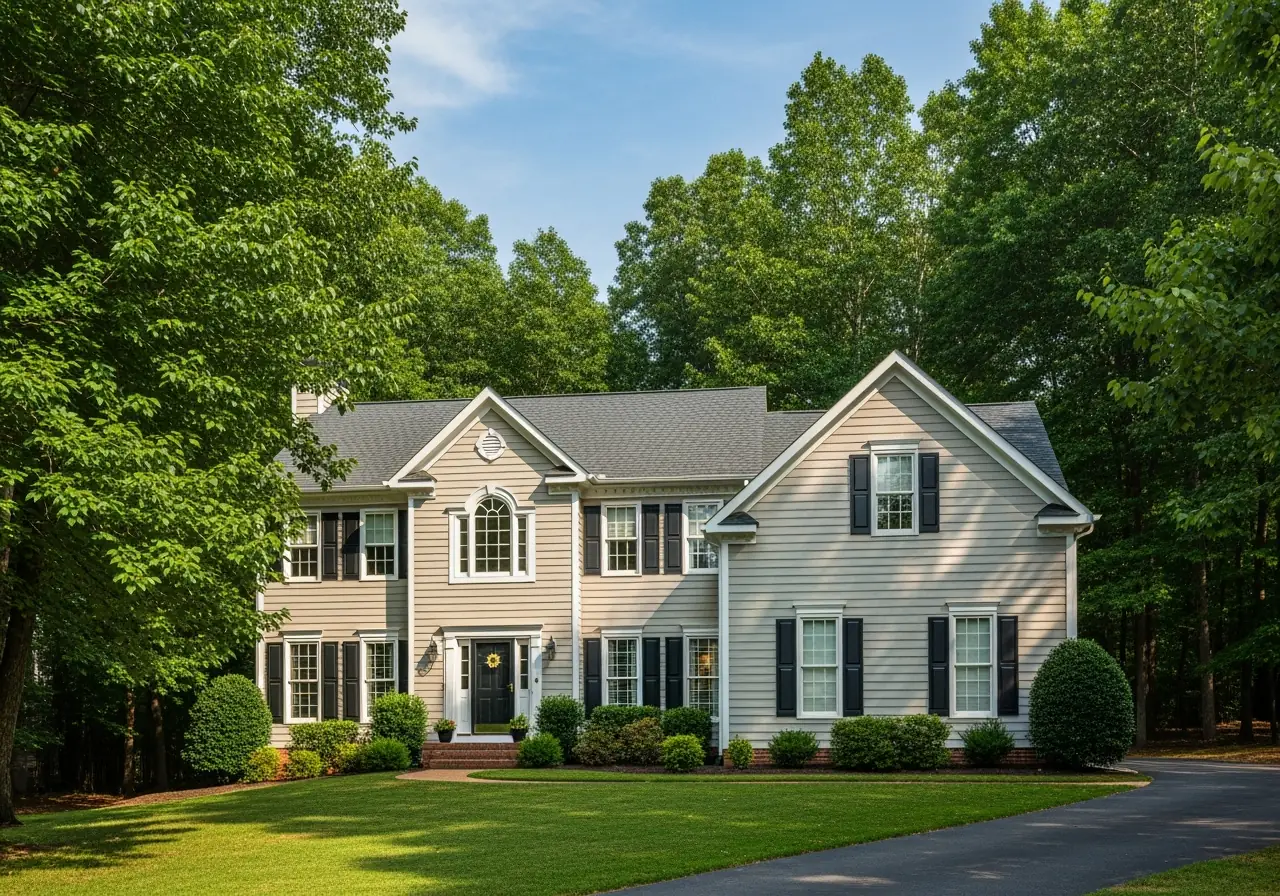
Every siding color has a unique wavelength that determines its interaction with sunlight. Dark colors, such as deep blues and rich browns, absorb up to 90% of solar heat. This absorption increases indoor temperatures, forcing your air conditioning system to work harder and consume more energy. Conversely, lighter colors like beige or pale gray reflect more solar energy back into the atmosphere, helping maintain cooler indoor temperatures.Think about wearing light versus dark clothing on a sunny day – this same principle applies to your home's exterior. During Virginia summers, when cooling costs typically spike, your siding color choice becomes particularly important for energy management.Solar reflective index (SRI) explained
The Solar Reflectance Index (SRI) measures a material's ability to reflect solar heat and release absorbed energy. This numerical value ranges from 0 to 100, where:- 0 represents a standard black surface that absorbs all solar energy
- 100 represents a standard white surface with maximum reflectivity
Why lighter colors save on cooling costs
Lighter-colored siding reflects sunlight rather than absorbing it, consequently keeping your home cooler throughout hot Virginia summers. This reflection minimizes heat buildup in your home's structure, reducing the workload on your cooling systems and improving overall home energy efficiency.According to energy efficiency studies, light-colored surfaces can reflect up to 90% of sunlight heat. Furthermore, homes with white or light-colored exteriors show minimal measurable heat absorption compared to dark exteriors, which can measure up to 25 degrees Fahrenheit warmer.For Virginia homeowners, selecting light-colored siding represents a practical approach to reducing cooling costs while maintaining comfortable indoor temperatures during the warmer months. Although darker colors might help retain heat during winter, the cooling benefits of lighter colors typically outweigh this advantage in Virginia's climate.Stay cooler and save more. At My Modern Renovations, we install energy-smart siding in light, reflective colors that cut cooling bills and boost curb appeal. Book your free estimate today.Top Energy-Saving Siding Colors for Virginia Homes
Selecting the right siding colors for your Virginia home involves balancing esthetics with energy efficiency. Let's explore the most energy-smart options that can keep your cooling costs down throughout Virginia's warm seasons.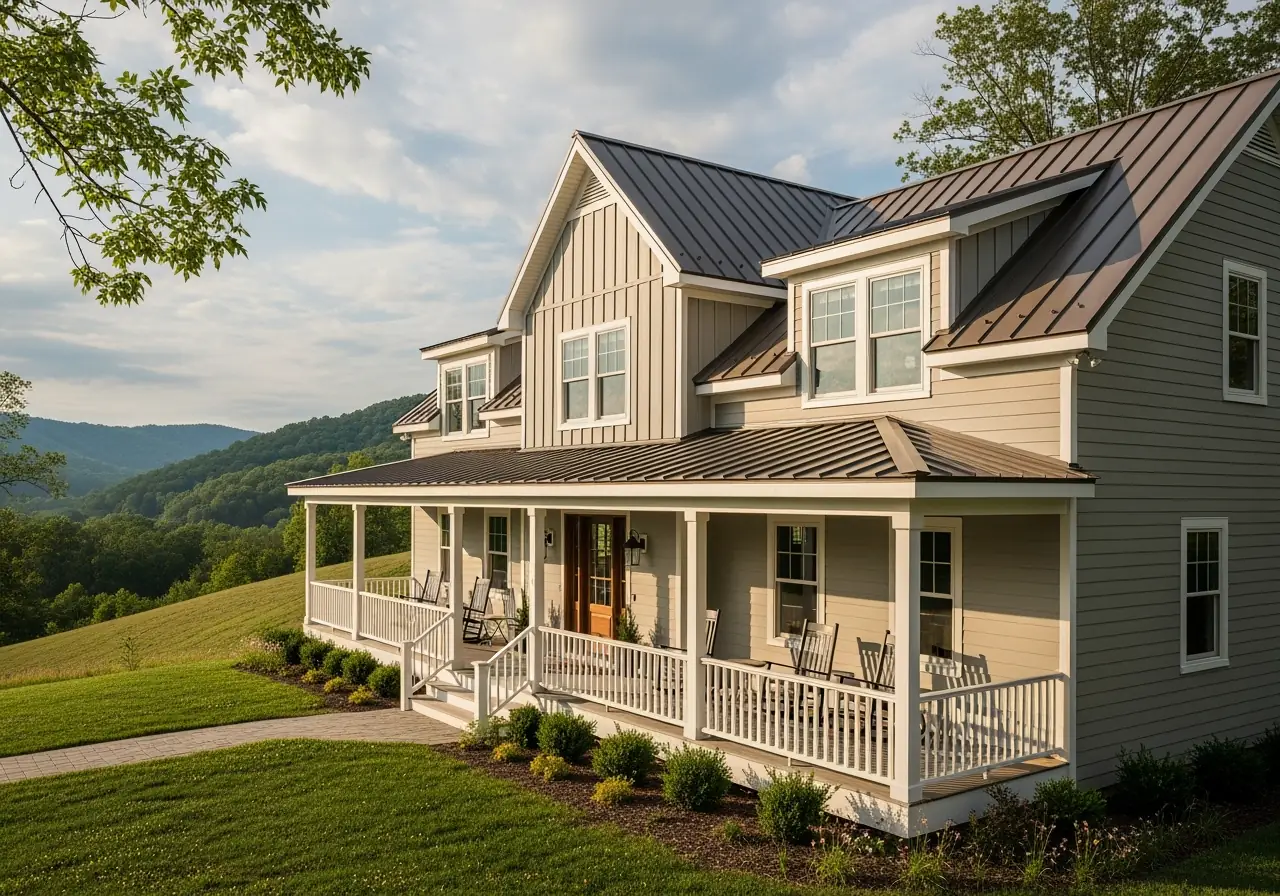
Beige, ivory, and greige: timeless and efficient
Neutral tones like beige, gray, and taupe top the list for energy efficiency and lasting curb appeal. These shades canreduce heat loss by up to 55%during winter months. Colonial cream and soft beige options stand as timeless tributes to Virginia's architectural heritage, offering both historical authenticity and impressive durability.Beige is especially noteworthy for its energy efficiency across all climates. Colors like Sparrow from Benjamin Moore exemplify the "greige" (gray-beige) family that provides optimal energy performance regardless of season. Importantly, homes with neutral-colored siding typically command higher resale values because they appeal to more potential buyers, contributing to a better return on investment.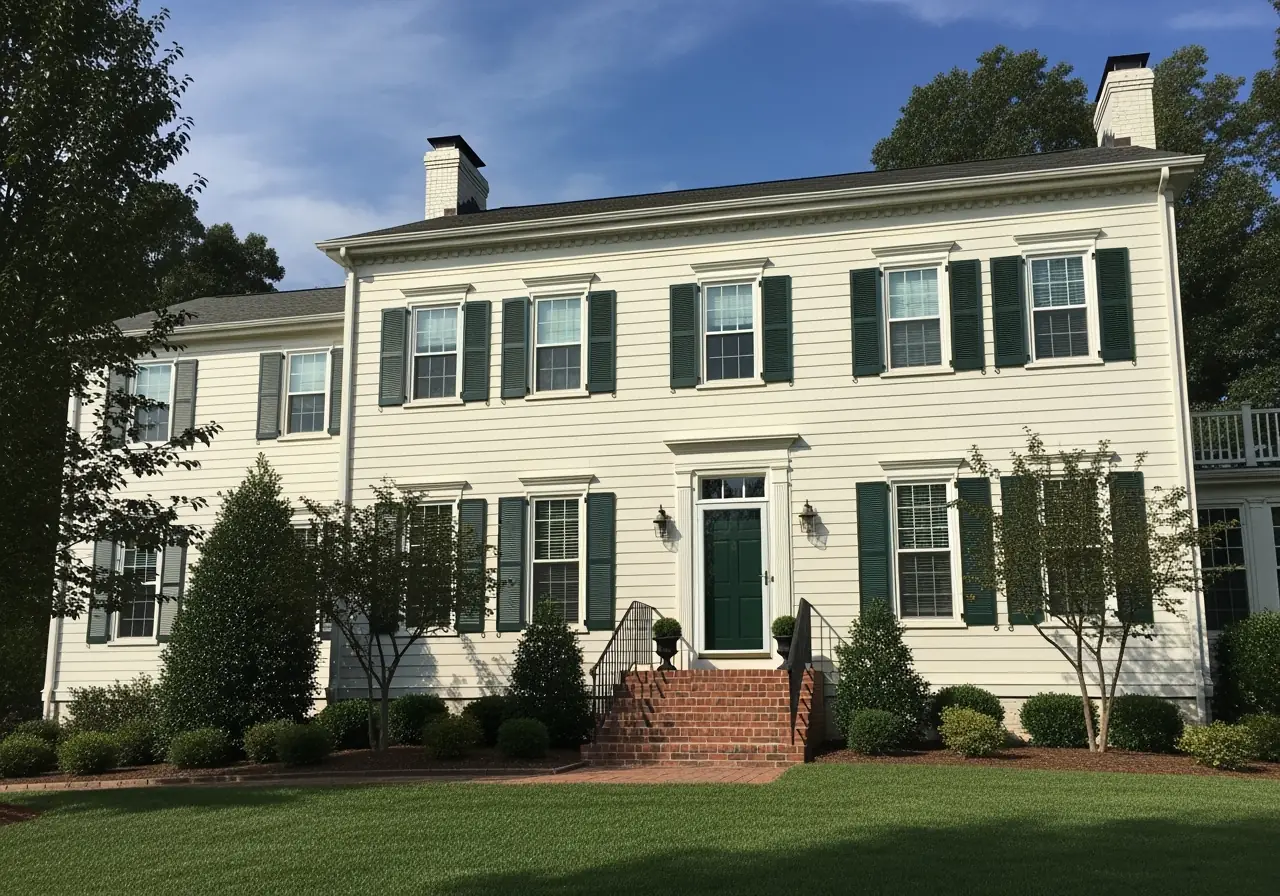
Soft blues and sage greens for cooler exteriors
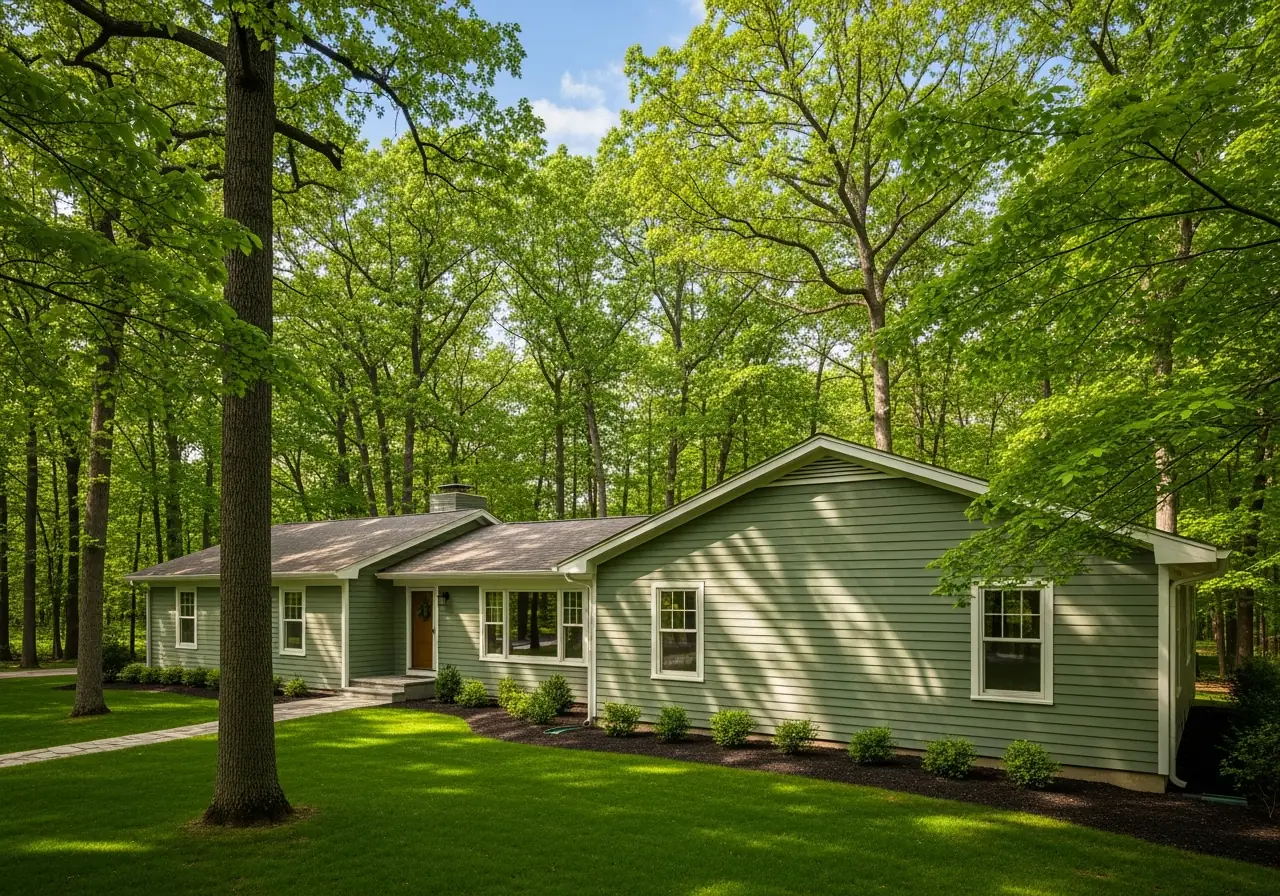
Modern siding colors with high reflectivity
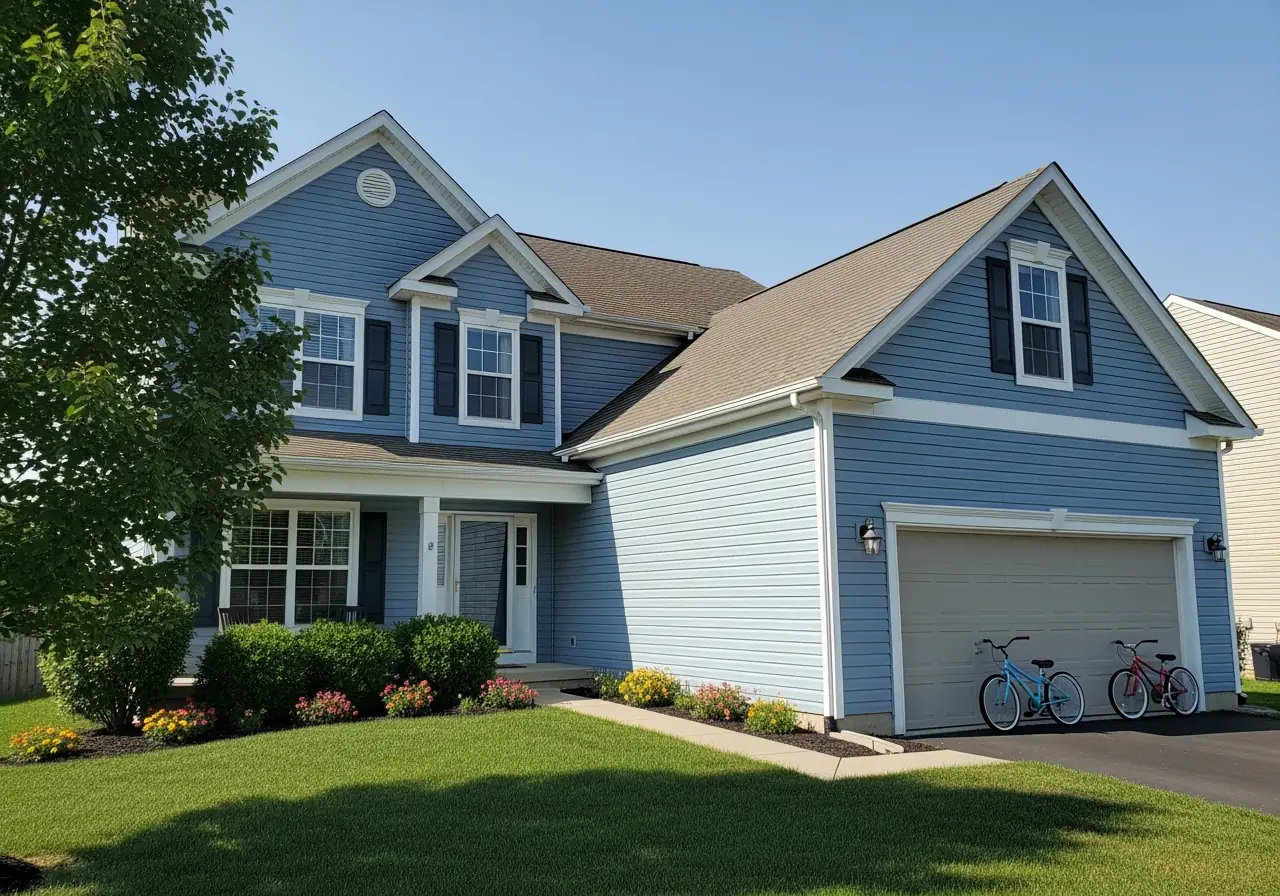
Today's manufacturers offer vinyl siding formulated with Tri-Pigment Reflective Technology and Color Keeper™ Anti-Fade Protection. These innovations ensure colors maintain their vibrancy despite prolonged sun exposure, which is particularly important for professional vinyl siding installation.Premium manufacturers now incorporate specialized UV-resistant layers thatblock upwards of 99.5% of harmful ultraviolet radiation. For lighter shades, this technology prevents degradation from solar exposure without altering the siding's appearance.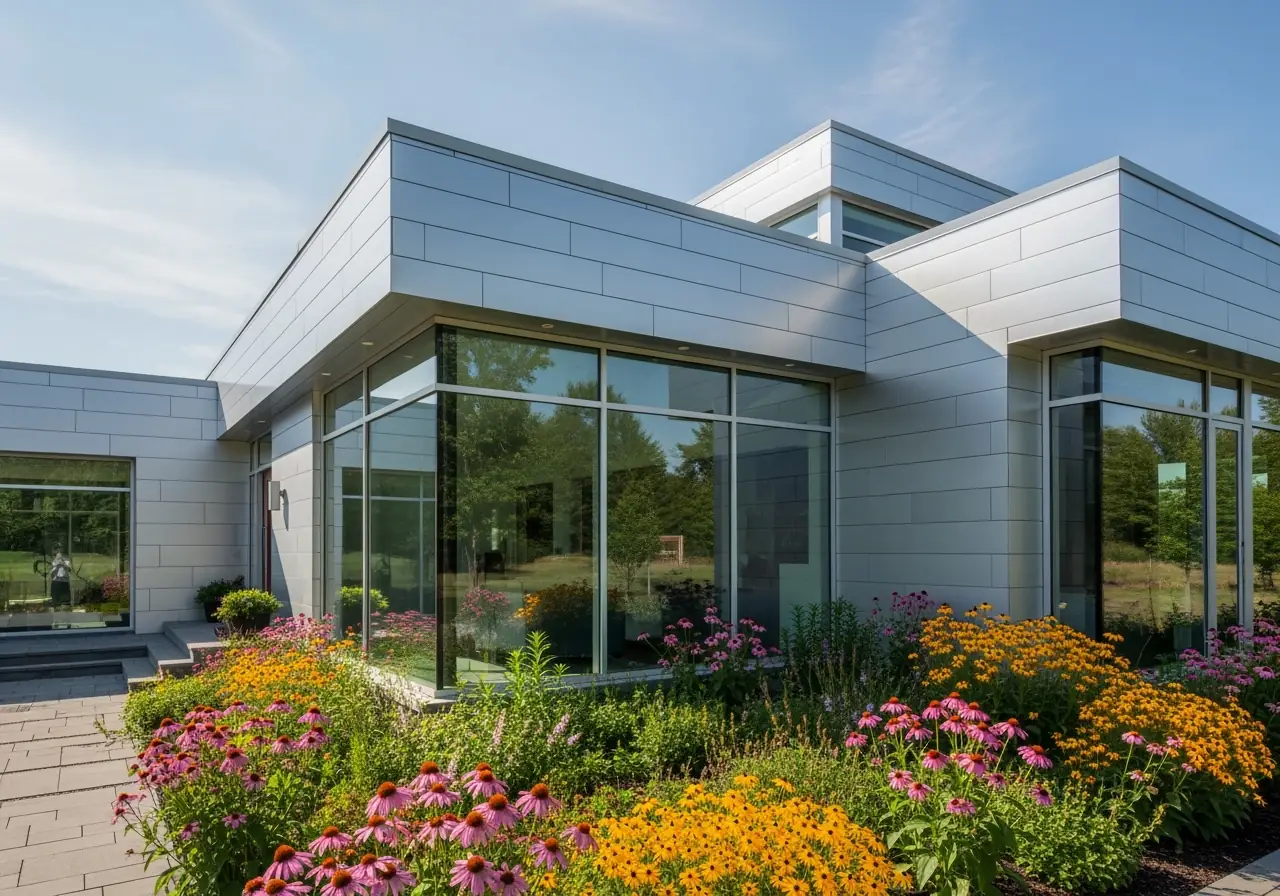
Avoiding dark tones in sun-exposed areas
Dark colors absorb 70-90% of the sun's radiant energy, making your home warmer on sunny days. For Virginia homes, especially on west-facing walls that receive afternoon sun, this absorption can dramatically increase cooling costs and reduce home energy efficiency.Darker siding also experiences more heat/cool cycling, requiring more frequent repainting as finishes deteriorate faster. If you prefer darker colors, consider limiting them to north-facing walls or shaded areas to minimize their impact on your energy bills.Choose Colors That Work as Hard as Your Home. At My Modern Renovations, we help Virginia homeowners select and install siding colors that not only elevate curb appeal but also maximize energy efficiency. From timeless neutrals like beige and greige to modern sage greens and reflective finishes, our expert team ensures your siding keeps your home cooler, reduces energy bills, and lasts for decades. Get your free siding consultation today.Matching Color with Siding Type for Maximum Efficiency
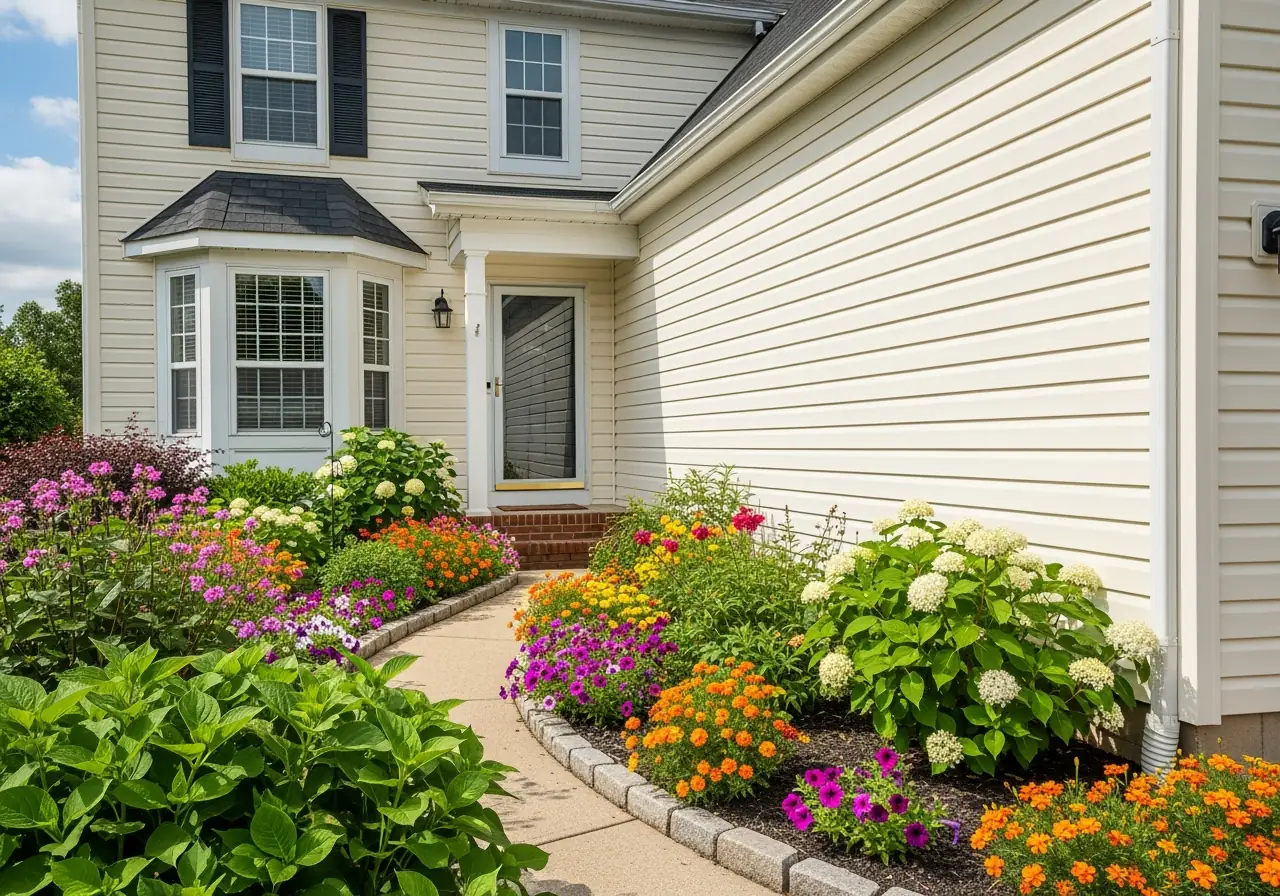
To maximize your siding's energy performance, matching the right color with the optimal material is essential. Each siding type offers unique benefits when paired with energy-smart color choices.Vinyl siding colors and insulation options
Fiber cement with solar reflective coatings
Engineered wood with UV-resistant finishes
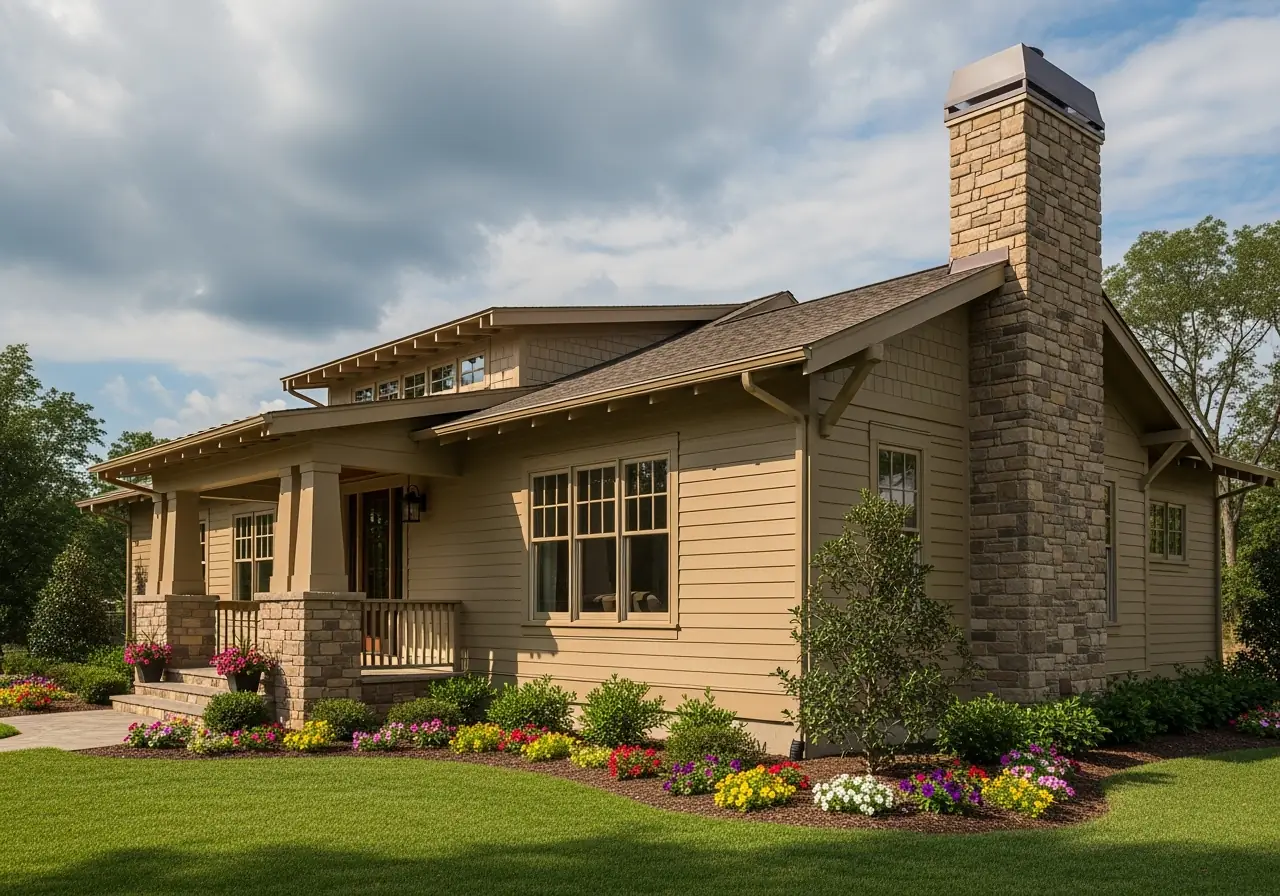
Reflective house siding for hot climates
For Virginia's hot summers, reflective siding technologies provide significant cooling benefits. Metal siding with insulated backing reflects heat effectively, with reflective R-values around 2.5. Advanced options like Kynar Aquatec solar reflective finishes dramatically extend paint life while maximizing energy efficiency. As such, these specialized reflective technologies help maintain cooler indoor temperatures throughout Virginia's warmest months without sacrificing curb appeal or durability.Upgrade to Siding That Works Smarter. At My Modern Renovations, we install advanced siding solutions - from insulated vinyl and James Hardie fiber cement to engineered wood and reflective metal finishes - that are built for Virginia’s tough climate. Our expert installation ensures maximum energy savings, durability, and lasting curb appeal. Schedule your free estimate today and see how the right siding can cut your cooling costs.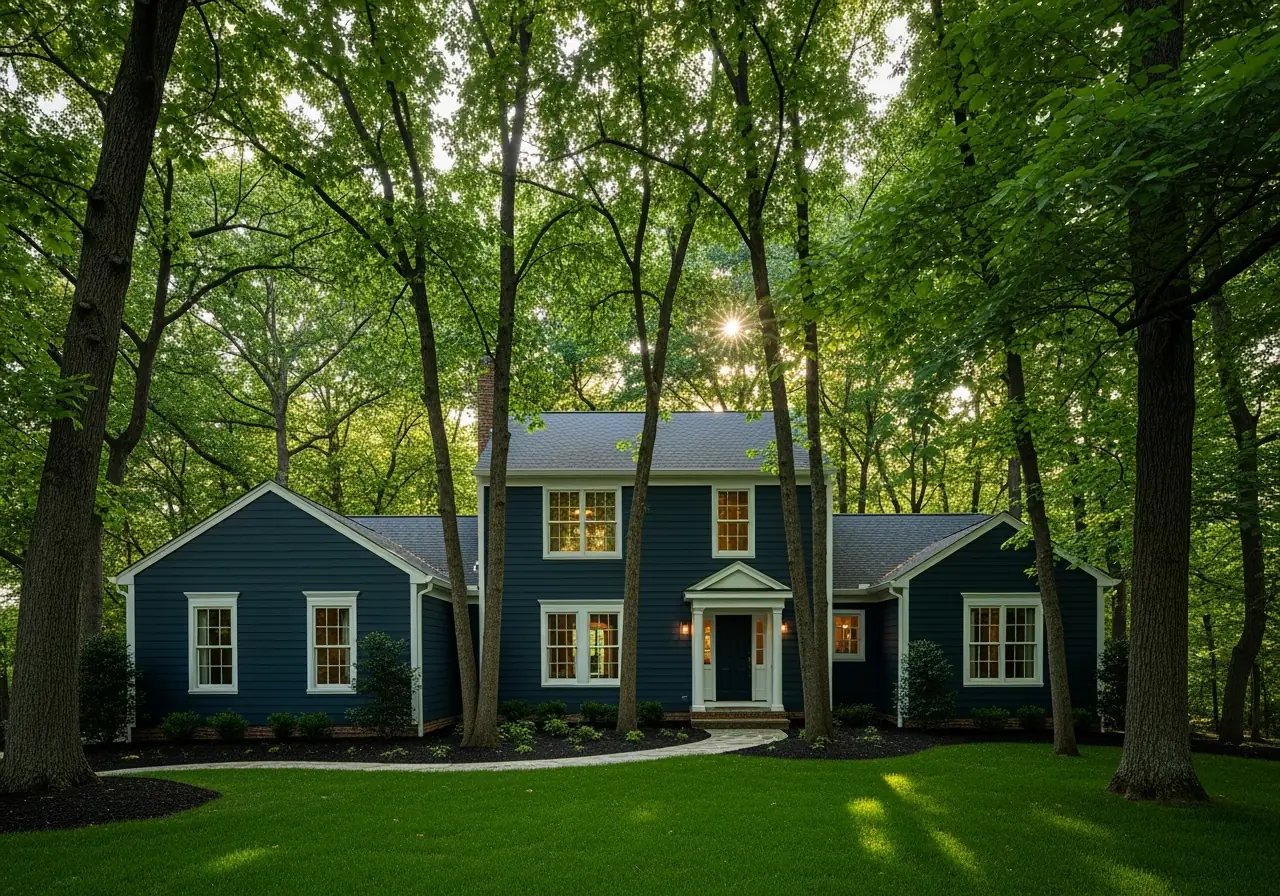
Cost, ROI, and Warranty Considerations
When considering energy smart siding colors for your Virginia home, balancing upfront investment against long-term returns becomes essential for making financially sound decisions.Initial cost vs. long-term energy savings
Investing in energy-efficient siding typically yields a 15-20% reduction in annual energy expenses. Homeowners who choose insulated siding can now receive a tax credit of up to 30% of material costs under the Inflation Reduction Act. Initially, energy-efficient options cost more upfront, nevertheless, the investment often pays for itself through utility savings. Soon after installation, these savings begin accumulating - eventually, the project pays for itself, providing a substantial return on investment.When considering siding material costs, it's important to factor in both the immediate expenses and the long-term savings. While energy-efficient options may have higher upfront costs, their ability to reduce energy bills over time can result in significant savings.Repainting vs. baked-in color longevity
As a matter of fact, repainting siding properly sometimes costs more than investing in new siding with baked-in color. James Hardie's ColorPlus Technology applies 50% more paint than the average house painter, coupled with a factory-controlled application process that coats boards and edges completely. This multi-coat, baked-on finish markedly reduces maintenance requirements and saves money over time.Warranty clauses on fading and discoloration
Warranty coverage varies significantly between manufacturers:- James Hardie offers a 15-year limited warranty covering both paint and labor
- Many vinyl manufacturers warrant fade up to 4 Hunter Units (color difference measurement)
- Premium products like Royal and Exterior Portfolio warrant fade as low as 3 Hunter Units


