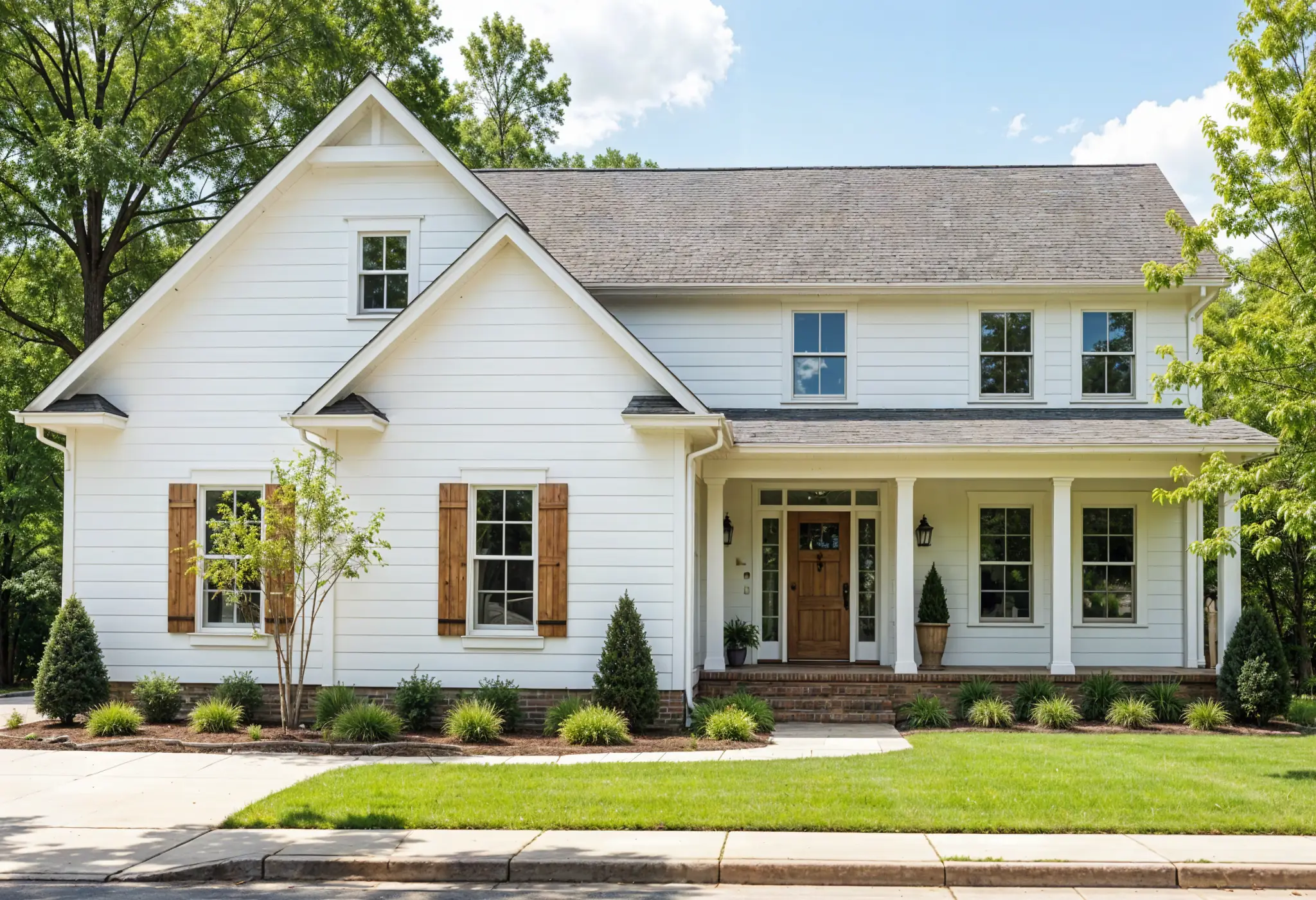
Fiber Cement Siding in Virginia: 10-Year Pros and Cons
In this blog post, we explore the long-term pros and cons of fiber cement siding - also known as Hardie siding - after 10 years on Virginia homes. Made from a durable mix of Portland cement, sand, cellulose fibers, and water, fiber cement siding stands out for its superior resistance to rot, pests, moisture, and fire. James Hardie, the leading manufacturer, designs products specifically for extreme weather like hurricanes, hail, and freeze-thaw cycles. With proper maintenance, fiber cement siding can last 50 to 100 years, making it a smart investment for homeowners seeking long-term protection and curb appeal. Though it has a higher upfront cost compared to vinyl, James Hardie’s 30-year non-prorated transferable warranty and ColorPlus® Technology make the durability and color retention well worth it. In this blog post, we’ll break down everything Virginia homeowners need to know about Hardie siding’s real-world performance, cost, and maintenance.
Pros of Fiber Cement Siding for Virginia Homes
Hardie siding stands out as an exceptional choice for Virginia homeowners seeking durability and protection against the region's varied climate challenges. Let's examine the key advantages this exterior cladding offers:
Long lifespan and structural durability
Fiber siding delivers remarkable longevity, potentially lasting over five decades with proper care. Unlike traditional siding materials, it maintains its structural integrity through Virginia's seasonal temperature changes without warping or cracking. The unique blend of cement, sand, and cellulose fibers creates an exceptionally strong material that resists rot, peeling, chipping, and fading over time. This durability translates to significant long-term value for your investment.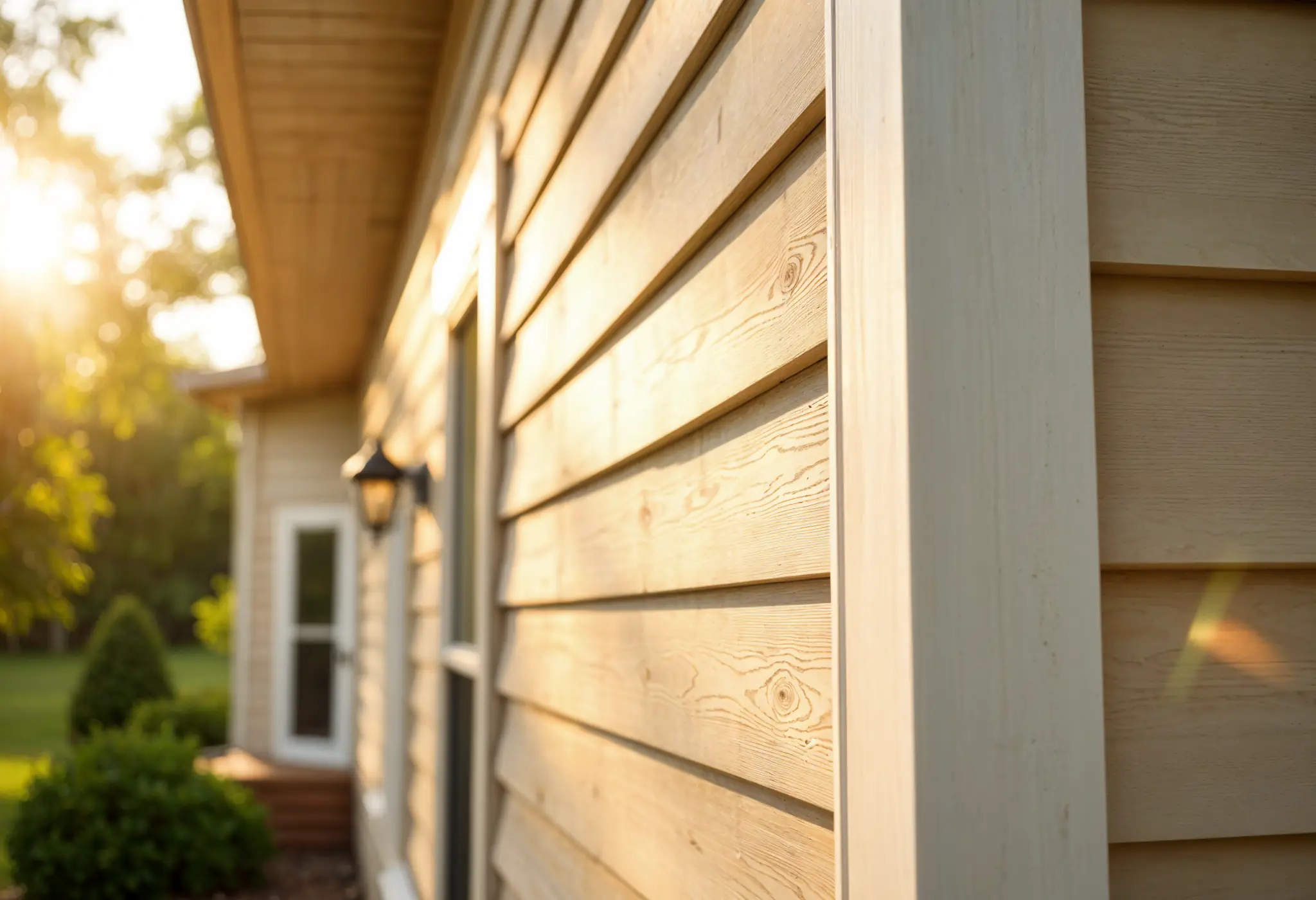
Fire and pest resistance
One standout benefit is fiber cement's impressive fire resistance. With a Class A fire rating and flame spread index of 0, this material won't ignite when exposed to flames nor contribute fuel to a fire. Moreover, its cement and sand composition makes it naturally termite-resistant, eliminating concerns about pest damage that commonly affects wood siding. This combination of fire and pest resistance provides excellent protection for your Virginia home.Weather resistance in all seasons
Hardie siding excels in Virginia's climate conditions. It effectively withstands extreme heat, moisture, heavy rain, and strong winds. Additionally, fiber cement doesn't shift with temperature fluctuations or shake during storms. This material's exceptional moisture resistance prevents issues like swelling, buckling, or flaking that compromise protection, making it particularly suitable for Virginia's humid conditions.Low maintenance needs
With fiber cement siding, you'll enjoy minimal upkeep requirements. Annual cleaning and occasional caulk inspection are typically all that's needed. The ColorPlus® Technology available with James Hardie products creates fade-resistant colors baked into the siding, resulting in longer paint cycles that can save approximately $5,000 over 15 years. This reduced maintenance translates to significant time and cost savings.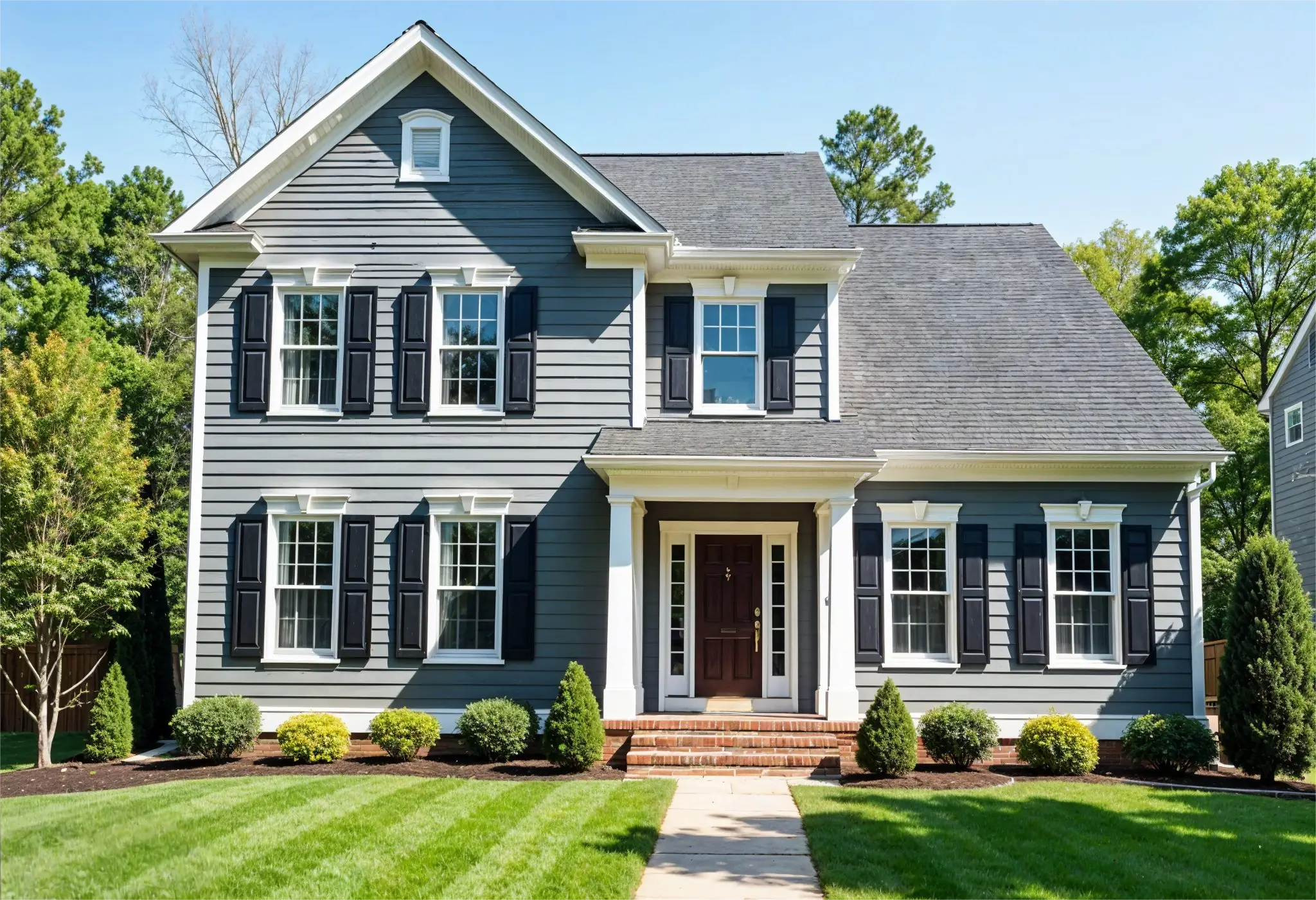
Design flexibility and curb appeal
Beyond practical benefits, Hardie siding offers impressive design flexibility. It can mimic the appearance of wood, stucco, or brick while providing superior durability. Available in numerous colors and textures, fiber cement siding complements various architectural styles while maintaining its appearance longer than standard painted surfaces. This esthetic adaptability ensures your home maintains excellent curb appeal for years to come.Cons of Fiber Cement Siding After 10 Years
Although Hardie siding offers numerous benefits, examining its drawbacks after a decade of use reveals important considerations for Virginia homeowners. Understanding these limitations helps set realistic expectations about this investment.Initial cost and installation expenses
The upfront investment for fiber cement siding significantly exceeds other options. Installation costs range from $8.00 to $15.00 per square foot, with most Virginia projects totaling between $25,000 and $40,000 for average homes. This represents approximately twice the cost of vinyl siding. Expert installation typically accounts for $8.00 to $12.00 per square foot of this expense, making DIY approaches tempting but risky due to the specialized skills required.Weight and labor-intensive setup
Fiber cement boards weigh approximately 2.3 pounds per square foot, making them substantially heavier than vinyl siding. This weight creates challenges during transportation and installation, requiring additional manpower and specialized tools. The material's brittleness before installation necessitates careful handling to prevent damage. Consequently, professional installation becomes almost mandatory, as improper techniques can lead to moisture infiltration and structural damage.Repainting needs after 15 years
Even with factory-applied finishes, fiber cement siding eventually requires repainting. Generally, you'll need to repaint every 10-15 years, with an average cost of approximately $2.00 per square foot or about $4,000 for a 2,000-square-foot home. Still, this represents less frequent maintenance than other siding options that might need repainting every 5-10 years.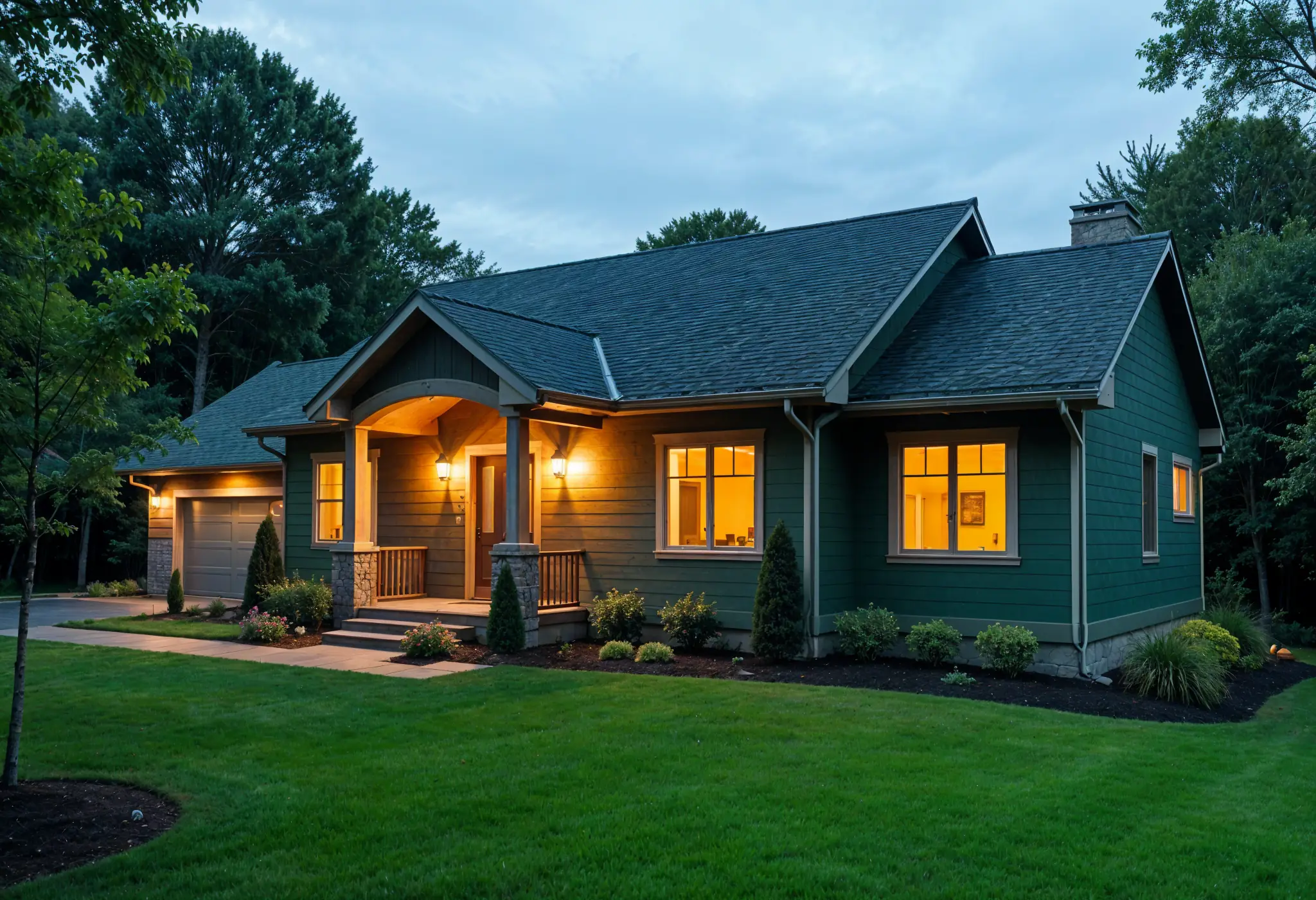
Limited insulation without added layers
Notably, Hardie siding offers minimal insulation value on its own. According to ASHRAE data, it provides only an R-value of .15, lower than vinyl (R-.60) and wood (R-.81). This limitation means your heating and cooling systems may work harder in Virginia's seasonal extremes. Accordingly, many homeowners install additional insulation beneath the siding to improve energy efficiency, though this creates an extra installation step and potentially increases costs.Upgrade once. Protect for decades. Choose fiber cement siding that lasts 50–100 years, resists fire, pests, and Virginia’s toughest weather. Contact My Modern Renovationsfor expert installation that adds value, durability, and timeless curb appeal to your home.How Long Does Fiber Cement Siding Last in Virginia?
When investing in exterior cladding, understanding its true lifespan in Virginia's climate provides crucial decision-making context. The gap between warranty promises and actual performance often reveals surprising value beyond initial expectations.Manufacturer warranties vs. real-world results
Major fiber cement manufacturers, including James Hardie, typically offer 30-year limited transferable product warranties. These warranties specifically cover manufacturing defects, hail damage, and termite attacks. For the esthetic elements, James Hardie's ColorPlus® Technology finishes come with a 15-year limited warranty covering paint and labor against peeling, cracking, and chipping.Nevertheless, real-world performance frequently exceeds these warranty timelines. With proper care, Hardie siding can last for more than five decades. Under optimal conditions, some industry experts report lifespans reaching 50-100 years, making it potentially a once-in-a-lifetime investment for many Virginia homes.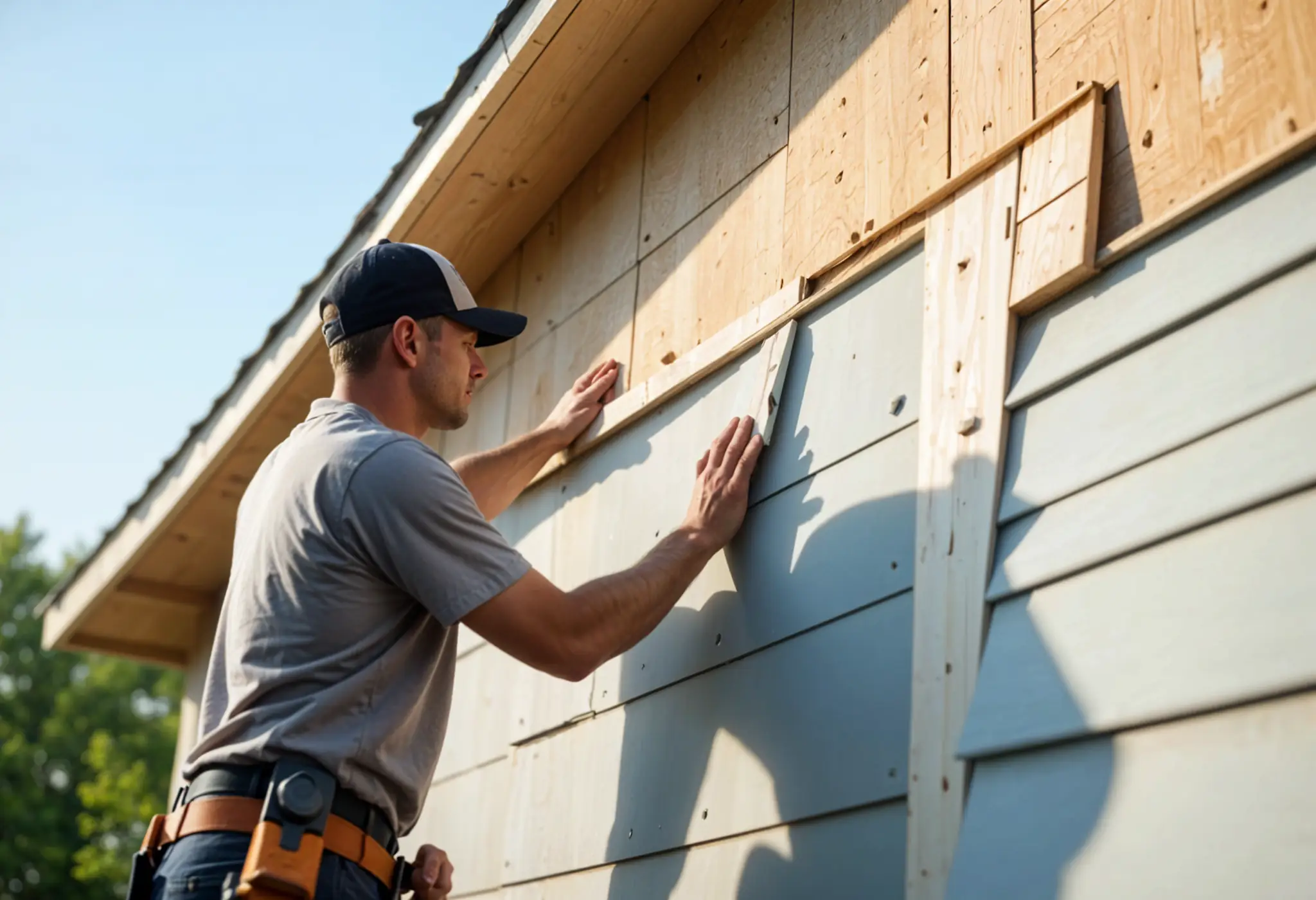
Factors that affect siding lifespan
Several elements impact how long your fiber cement siding will perform in Virginia:- Installation quality - Professional installation by My Modern Renovations ensures proper fitting, sealing, and fastening, preventing moisture infiltration that could shorten lifespan
- Climate exposure - Virginia's humidity and temperature fluctuations test siding durability, yet fiber cement maintains stability without warping or cracking
- Maintenance practices - Simple routines like washing once or twice yearly prevent dirt buildup and extend appearance
- Factory-finished paint - Pre-applied finishes last significantly longer than field-applied paint
James Hardie board siding lifespan in local climates
James Hardie engineered their products specifically for different climate zones after studying long-term environmental effects on siding materials. Their HardieZone® system ensures homes receive the appropriate product for regional conditions.For Virginia homes, the siding excels in both coastal and inland areas, maintaining structural integrity through high humidity, salt exposure, and seasonal temperature variations. The HZ5® products resist shrinking, swelling, and cracking even after years of wet or freezing conditions, withstanding Virginia's freeze-thaw cycles without compromising protection.Overall, Hardie siding demonstrates superior longevity in Virginia compared to alternatives, offering exceptional performance throughout seasonal changes while requiring minimal maintenance to achieve its maximum lifespan potential.Don’t settle for materials that fail in a few seasons. While we no longer offer siding services, My Modern Renovations continues to deliver high-ROI exterior upgrades through expert roofing, window, gutter, and deck solutions. For durable, low-maintenance improvements that boost home value and curb appeal, schedule your free consultation with our team today.Is Fiber Cement Siding a Good Investment for Virginia Homes?
Looking purely at the numbers, fiber cement siding delivers remarkable financial returns for Virginia homeowners, often exceeding expectations in both short-term and long-term value.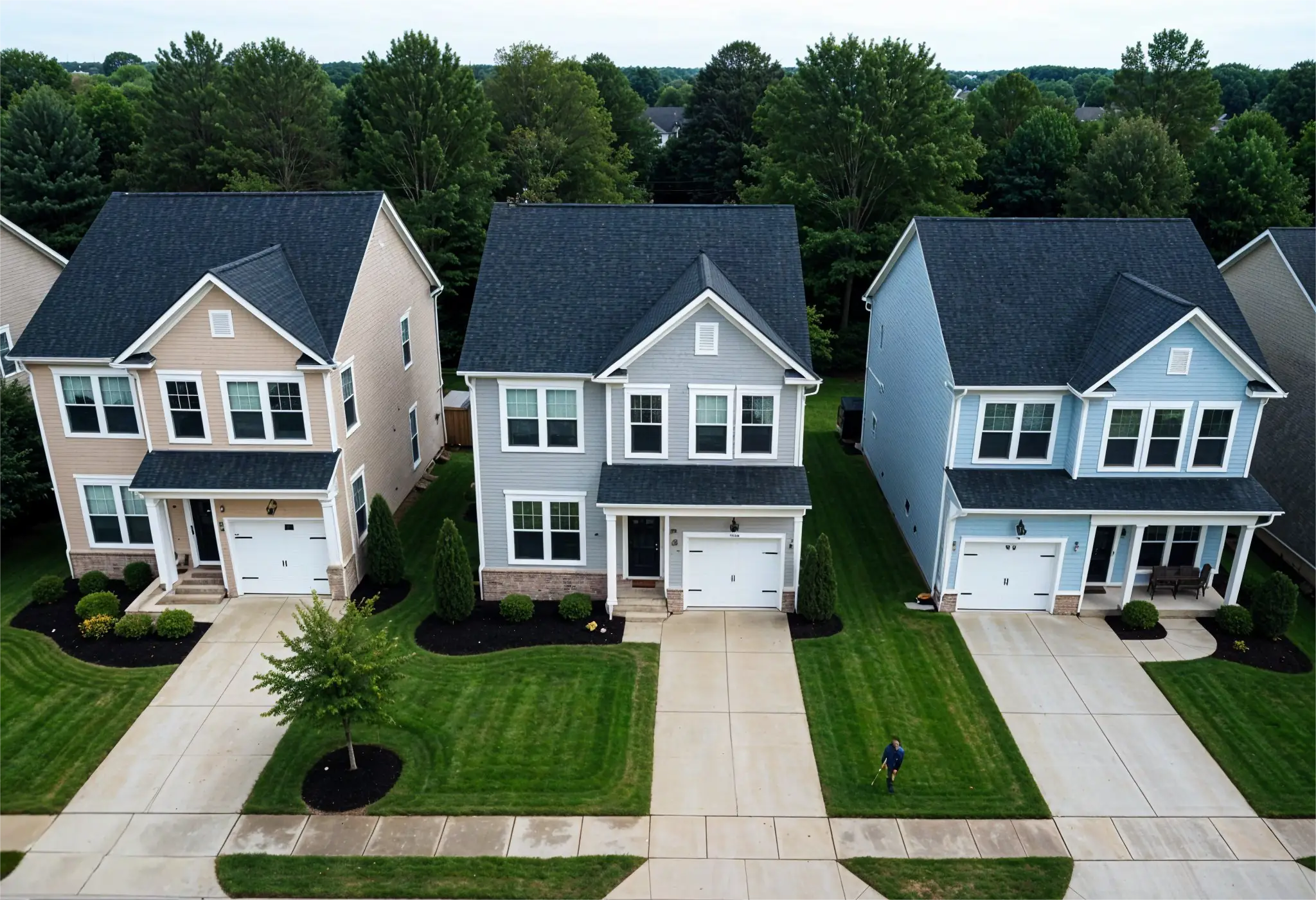
Return on investment and resale value
Fiber cement siding consistently ranks among the top exterior renovation projects for return on investment. Nationally, you can expect to recoup between 87-89% of your initial investment. What's even more impressive are the Virginia-specific figures. In certain Virginia markets, the returns are actually above 100% - with Fredericksburg homeowners seeing an extraordinary 114% return on fiber cement siding investments. Similarly impressive results appear in Fairfax (100%), Manassas (109%), and Woodbridge (118%).These impressive numbers translate directly to increased property value. On average, installing fiber cement siding adds approximately $17,129 to your home's value. This makes perfect sense considering buyers increasingly recognize the long-term benefits of this durable material.